Early trunk training
Stake young trees loosely in the first 2–3 years to guide a straight central leader and remove competing upright shoots early to develop a strong, single-trunk structure.

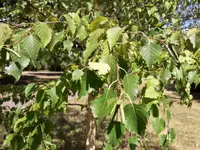
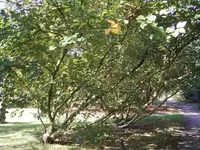
Betula costata, often called Korean rock birch, is a deciduous tree known for its pale, peeling bark and neat, upright crown. It typically forms a medium-sized landscape tree with fine-textured foliage that turns warm yellow in autumn.
This birch is native to forested mountain regions of northeast Asia, where it grows in cool, moist conditions. It prefers well-drained, slightly acidic soil and consistent moisture, and it does best in regions with cold winters and relatively cool summers.
Betula costata is moderately demanding, as it dislikes drought, heat stress, and compacted soil. Gardeners who understand how to care for Betula costata usually find it reliable in suitable climates.

Care Difficulty
Moderate Care

Light Preference
Full Sun

Water Requirements
Regular Water

Temperature Preference
Cold Hardy

Hardiness Zone
4–7

Soil Texture
Loamy, Sandy, Silty

Soil pH
Acidic (5.5–6.5), Slightly acidic (6.5–7.0)

Soil Drainage
Moist but well-drained

Fertilization
Minimal (feed rarely)
Scan your plant to receive care tips personalized for your specific plant
Available on iOS and Android
This birch prefers bright, cool conditions with moderate direct sun each day.
This species prefers consistently moist but not waterlogged soil in the root zone.
This hardy tree tolerates cold climates but grows best within a moderate temperature range.
This species prefers moderate ambient humidity and mainly needs consistent soil moisture rather than special air humidity management.
Betula costata grows best in deep, moist, well-aerated loam with reliable drainage.
This species is only suitable for short-term or juvenile container culture, as it becomes large and root-demanding.
This species grows well in average soil and usually needs only modest feeding in landscapes.
Pruning is mainly needed to keep the tree safe, healthy, and well structured.
This birch is usually grown in the ground, with transplanting most important for young nursery stock.
Propagation is possible from seed and sometimes softwood cuttings, but it is moderately demanding for home growers.
This cold-hardy birch generally needs minimal winter care once established in the landscape.

Plant Health Check
Not sure what's wrong with your plant? Check your plant's health inside the app.
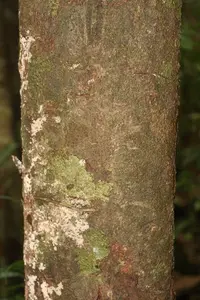
The bark of Betula costata develops thick, pale gray to creamy plates that flake in irregular blocks, unlike the thin peeling curls seen in many other birch species.
This species is naturally found in cool, mixed mountain forests of Northeast Asia, where it often grows on well-drained slopes alongside conifers and other cold-tolerant broadleaf trees.
Betula costata tolerates long, cold winters and short growing seasons, an adaptation that helps it persist in continental climates with large annual temperature fluctuations.

In parts of its native range in the Russian Far East and Northeast Asia, Betula costata is considered an important component of mixed Korean pine–broadleaf forests, contributing to forest structure, habitat diversity, and soil stabilization on mountain slopes.
Growth is moderate. Young trees usually add 25–45 cm per year, slowing as they mature. Rate depends on soil moisture, fertility, and climate. Regular mulching and avoiding soil compaction help maintain steady extension growth.
Keep your plants happy and healthy with plant identification, disease detection, and easy care guidance.