bog birch Care (Betula pumila)

Also known as: swamp birch

About bog birch

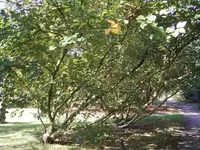
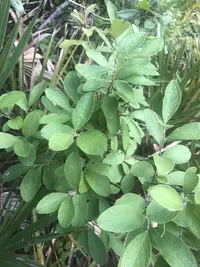
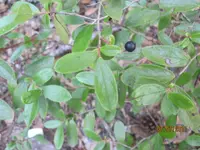
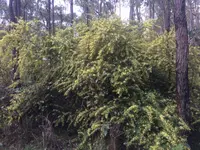
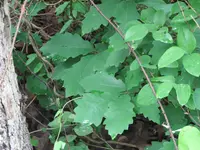
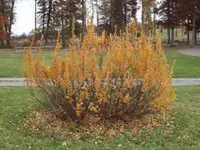
Bog birch (Betula pumila) is a compact, cold-hardy shrub native to wetlands, bogs, and fens across northern North America. It usually stays small, with many upright stems and fine, rounded leaves that give it a dense, twiggy look year-round.

This species is adapted to saturated, acidic, and nutrient-poor soils, which makes it tough in the right conditions but less suitable for dry gardens. It prefers cool climates, consistent moisture, and full sun to light shade. Understanding these wetland needs is central to how to care for bog birch.

Main Plant Requirements

Care Difficulty

Moderate Care

Light Preference

Full Sun

Water Requirements

Keep Soil Moist

Temperature Preference

Cold Hardy

Hardiness Zone

1–7

Soil Texture

Loamy, Silty, Peaty

Soil pH

Strongly acidic (4.5–5.5), Acidic (5.5–6.5)

Soil Drainage

Waterlogged tolerant

Fertilization

Minimal (feed rarely)

Get Personalized Care Plan

Scan your plant to receive care tips personalized for your specific plant

Available on iOS and Android

How to Care for the bog birch

This shrub prefers cool, bright conditions that mimic open wetlands and bog edges.

  • Provide 6–8 hours of direct sun daily, ideally with morning sun and light afternoon shade in hotter regions to reduce leaf scorch.
  • Tolerates light partial shade (around 4 hours sun), but dense shade reduces growth, weakens stems, and can make bog birch more prone to disease.
  • In summer, avoid highly reflective, all-day sun; in winter, full exposure is beneficial, especially in northern climates with low-angle light.

This species naturally grows in saturated soils, so moisture management is critical.

  • Aim for consistently moist to wet soil; do not allow the top 2–5 cm to dry out completely, especially during the first 2–3 growing seasons.
  • In spring and summer, increase watering during dry spells so the root zone stays damp, watching for wilting leaves or curling edges as signs of moisture stress.
  • Ensure slow-draining but not stagnant conditions; yellowing leaves and dieback can indicate prolonged flooding without oxygen or compacted, airless soil.

This cold-hardy shrub thrives in cool to moderate climates with distinct seasons.

  • Optimal growth occurs around 55–75°F (13–24°C), with strong performance in cool springs and mild summers.
  • Mature plants tolerate very low winter temperatures, often down to about -40°F (-40°C), making them suitable for cold climates with deep frost.
  • Heat tolerance is moderate; prolonged periods above 85°F (29°C) can stress plants, so prioritize moisture and some afternoon shade in warmer regions.

This boreal shrub prefers consistently moist air but tolerates a fairly wide humidity range.

  • Aim for ambient humidity around 40–70% when possible, especially in warm or windy conditions.
  • Bog birch handles short dry spells, but prolonged very dry air can crisp leaf margins and increase premature leaf drop.
  • Increase humidity outdoors by using windbreaks and dense companion planting, and reduce drying by mulching the root zone to keep soil moisture stable.

This species is adapted to cool, wet, organic soils and needs similar conditions in cultivation.

  • Use a deep, organic-rich, mucky loam with fine texture, blending compost, peat or coir, and a small amount of sand for structure.
  • Ensure soil stays consistently moist to wet but not stagnant by providing slight slope or proximity to a pond or boggy area.
  • Target slightly acidic conditions, roughly pH 5.0–6.5, and avoid adding lime or wood ash that can push pH higher.
  • Improve aeration in heavy wet sites by incorporating coarse sand and fibrous organic matter while avoiding dense clay that becomes anaerobic.

This shrub is only marginally suitable for containers and performs best when given very large, stable outdoor tubs.

  • Choose a tall, heavy container to accommodate the deep, fibrous root system and prevent tipping in strong winds.
  • Use a moisture-retentive mix and place the pot in a tray or basin that can hold extra water without covering drainage holes.
  • Position the container where it receives full sun yet stays cool at the root zone, such as on shaded ground rather than heat-reflecting pavement.

This native shrub usually needs little feeding when planted in naturally moist, nutrient-bearing soils.

  • If growth is weak or foliage pale, apply a balanced slow-release fertilizer (for example 10-10-10) at half strength once in spring.
  • On poor soils, add a thin layer of compost around the root zone each spring, keeping material away from stems.
  • Avoid midsummer and late-season feeding to prevent soft growth that may winter-kill.
  • Do not fertilize bog birch during winter dormancy unless a soil test specifically recommends correction.

Pruning Betula pumila is mainly done to maintain health and a natural, open shrub form.

  • Time pruning for late winter to very early spring, before bud break, to see the branch structure clearly.
  • Remove dead, diseased, or damaged wood first, cutting back to healthy tissue with clean bypass pruners or a sharp saw.
  • Thin out crossing or crowded interior branches to improve air flow and light penetration without shearing the outer canopy.
  • Limit cuts to smaller branches where possible to reduce stress and lower the risk of decay at larger wounds.

This shrub is usually grown in the ground, so care focuses on correct site planting and rare transplanting rather than routine repotting.

  • Transplant container-grown or nursery Betula pumila in early spring or early fall, when temperatures are mild and soil moisture is steady.
  • Look for signs such as roots circling the container, dense root mats, or stalled shoot growth as indicators that a larger space is needed.
  • Gently tease apart circling roots, trim any dead or blackened sections, and plant at the same depth as in the pot in a moist, acidic soil.
  • Water thoroughly after planting, apply a 5–8 cm mulch ring, and keep soil evenly moist for the first growing season to reduce root stress.

New Betula pumila plants are most often produced from seed, with some use of softwood cuttings in managed settings.

  • Collect seed in late summer to fall and sow in late fall or early spring in a cold frame or outdoor seedbed for natural chilling.
  • Use a moist, acidic, well-drained mix and keep the surface evenly damp until germination, avoiding waterlogging.
  • Take softwood cuttings in early summer, use rooting hormone, and place in high humidity with bright, indirect light and bottom warmth if available.
  • Label parent material and origin, especially when growing bog birch for conservation or habitat restoration purposes.

This cold-hardy shrub tolerates freezing winters well and generally needs minimal special winter care in the ground.

  • Apply a 5–8 cm layer of mulch around the root zone in late fall to moderate soil temperature and conserve moisture.
  • Avoid piling mulch directly against the stems to reduce the risk of rot and rodent damage.
  • Move container-grown plants into a sheltered, unheated but frost-prone area or heel pots into the ground to protect roots from extreme freeze–thaw cycles.

Care Tips

Create wet pockets

When planting in marginally moist sites, dig a wider basin and backfill with a high-organic, water-holding mix so the root zone stays consistently damp during the first 2–3 seasons.

Use snow protection

In windy, exposed areas, leave snow cover undisturbed around the base through winter or use low windbreaks, as this insulates roots and mimics the plant’s natural bog conditions.

Manage competing vegetation

Keep a 30–60 cm grass- and weed-free ring around the shrub using mulch or careful hand weeding to reduce competition for moisture and prevent roots from drying out.

Encourage multi-stems

If a main stem is damaged or weak, cut it back to just above a healthy bud cluster in late winter to stimulate a denser, multi-stemmed form that better resists wind and snow load when growing bog birch.

Monitor for iron stress

On neutral or slightly alkaline soils, watch for pale leaves with green veins and, if seen, apply a chelated iron drench to the root zone to correct iron chlorosis and maintain healthy foliage.

Common Pests and Diseases

Bronze birch borer

This pest is a metallic wood-boring beetle whose larvae tunnel under the bark, causing dieback in upper stems and branches. Symptoms include sparse foliage, yellowing leaves, and D-shaped exit holes in the trunk or larger branches.

Solution

Improve plant vigor with consistent moisture, mulching, and avoidance of trunk injury, since stressed plants are most vulnerable. Prune and destroy infested branches, and in high-risk areas consider a trunk or soil-applied systemic insecticide labeled for bronze birch borer, applied by a licensed professional at the correct seasonal timing.

Birch leafminer

These insects are small sawfly larvae that feed between the upper and lower leaf surfaces, creating pale, blisterlike blotches that later turn brown. Severe infestations can cause premature leaf drop and a thin canopy but rarely kill established bog birch outright.

Solution

Remove and dispose of mined leaves in spring to reduce the next generation. For repeated heavy attacks, apply a systemic insecticide labeled for leafminers early in the season just as leaves begin to unfold, or use targeted sprays when adults are active, following local guidelines to protect beneficial insects.

Aphids

These insects cluster on young shoots and leaf undersides, sucking sap and causing curling, distortion, and sticky honeydew that can lead to sooty mold growth. Symptoms include slowed growth and, in severe cases, leaf yellowing and drop.

Solution

Spray colonies off with a strong stream of water and prune heavily infested shoot tips. For ongoing issues, use insecticidal soap or horticultural oil directed at the undersides of leaves, repeating as needed and avoiding application during high heat or direct midday sun.

Melampsoridium birch rust

This disease is a rust fungus that creates yellow to orange spots on upper leaf surfaces and powdery orange pustules on the undersides. Symptoms include early leaf yellowing and drop, especially in warm, humid weather or in crowded plantings.

Solution

Rake and remove fallen leaves in autumn to reduce overwintering spores and maintain good spacing and airflow around plants. In sites with recurring rust problems, consider resistant birch species for new plantings and consult local extension services about registered fungicides if defoliation is severe several years in a row.

Leaf spot complex

This disease group includes several fungi that cause small brown to black spots on leaves, which can merge into larger dead patches in wet seasons. Symptoms include scattered spotting, partial blighting of leaves, and occasionally early leaf drop on stressed plants.

Solution

Promote faster drying of foliage by avoiding overhead watering and maintaining open spacing around shrubs. Remove and discard heavily spotted fallen leaves, and if defoliation becomes significant in consecutive wet years, consider a preventative fungicide spray program started just as leaves emerge, according to local recommendations for Betula pumila care.

Interesting Facts

Glacial relict shrub

Bog birch is considered a glacial relict in parts of its range, meaning it persisted from colder post-glacial periods and now survives mainly in scattered, cool, peatland pockets across northern North America.

Specialist of rich fens

This species is strongly associated with calcareous fens and minerotrophic peatlands, where groundwater rich in dissolved minerals flows through the peat and creates a narrow ecological niche that many other shrubs cannot tolerate.

Important peatland architect

By forming dense thickets on hummocks and peat mounds, this shrub helps shape microtopography in bogs and fens, influencing patterns of shade, moisture, and competition among mosses, sedges, and other wetland plants.

Botan icon

Did you know?

Bog birch often hybridizes naturally with other North American birches such as Betula glandulosa and Betula populifolia, and these hybrids can form complex population patterns that make field identification and genetic studies in peatland birch stands unusually challenging.

FAQs about bog birch

This wetland shrub is not generally considered invasive in North America and is often used in restoration of native bogs and fens. It spreads slowly by seed and short rhizomes, usually staying near consistently moist, cool sites.

Grow Healthy Plants with Botan Care

Keep your plants happy and healthy with plant identification, disease detection, and easy care guidance.

Botan plant care app — identify plants on mobile

Explore More Plants