sappanwood Care (Biancaea sappan)

Also known as: Indian redwood
sappanwood

About sappanwood

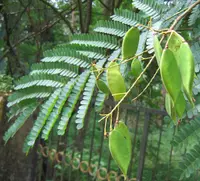
Biancaea sappan, commonly called sappanwood, is a small tropical tree known for its dense foliage and richly colored heartwood. It often forms a rounded crown with many fine branches and small compound leaves. In suitable climates it can be grown as an ornamental or hedge, and it produces small yellow flowers followed by hard seed pods. Sappanwood is native to South and Southeast Asia and prefers warm, frost-free conditions. It tends to grow best in full sun, with moderate moisture and well-drained soil. For gardeners, how to care for sappanwood mainly depends on providing enough warmth and avoiding prolonged cold or waterlogged roots.

Main Plant Requirements

Care Difficulty

Moderate Care

Light Preference

Full Sun

Water Requirements

Moderate Water

Temperature Preference

Tropical / Frost Sensitive

Hardiness Zone

10–12

Soil Texture

Sandy, Loamy, Organic-rich

Soil pH

Acidic (5.5–6.5), Slightly acidic (6.5–7.0)

Soil Drainage

Well-drained

Fertilization

Minimal (feed rarely)

Get Personalized Care Plan

Scan your plant to receive care tips personalized for your specific plant

Available on iOS and Android

How to Care for the sappanwood

This tropical tree thrives with abundant sun but tolerates some light shade in hot regions.

  • Provide 6–8 hours of direct sun daily; full sun promotes dense growth and stronger color in sappanwood wood and bark.
  • In very hot climates, allow light afternoon shade or dappled light to reduce leaf scorch, especially on young trees.
  • In cooler seasons or higher latitudes, prioritize maximum sun exposure by avoiding shade from buildings or taller trees, which can slow growth.

This species prefers evenly moist, well-drained soil once established, without prolonged dryness or standing water.

  • Water when the top 3–5 cm of soil feels dry, giving a deep soak that reaches the root zone, then allow excess to drain fully.
  • In hot, dry seasons increase frequency, while in cooler or rainy periods space waterings further apart to prevent waterlogging around Biancaea sappan roots.
  • Watch for yellowing, soft leaves as a sign of overwatering and crisp, drooping foliage as a sign of underwatering, then adjust volumes and intervals.

This tropical tree grows best in consistently warm, frost-free conditions.

  • Aim for 70–90°F (21–32°C) for active growth; stable warmth supports strong shoot and leaf development.
  • Protect from temperatures below 50°F (10°C); brief drops near 40°F (4°C) may cause leaf damage, and frost can kill young tissues.
  • In hot spells above 95°F (35°C), provide mulch and sufficient soil moisture to limit heat stress while still allowing good air movement around the canopy.

This species tolerates a fairly wide humidity range but grows best in moderately humid air.

  • Aim for 40–60% humidity, which suits most homes and supports steady foliage and shoot growth in sappanwood.
  • Expect tolerance of short dry spells indoors, though very arid air combined with heat can slow growth and increase leaf edge browning.
  • Watch for curled leaflets, crispy margins, or stalled new growth as signs of humidity stress, and group plants or use a small humidifier to raise levels.

Biancaea sappan prefers free-draining, slightly gritty soil that still holds some moisture and nutrients.

  • Use a sandy-loam style mix: roughly 50% all-purpose potting mix, 30–40% coarse sand, and 10–20% compost to provide structure and nutrients.
  • Ensure rapid drainage; water should pass through within seconds, leaving the mix moist but never waterlogged to protect roots from rot.
  • Keep pH around 6.0–7.5; avoid strongly acidic or alkaline conditions that can limit nutrient uptake and cause leaf yellowing.
  • Improve aeration by adding coarse materials such as pumice, perlite, or fine gravel, and avoid dense clay, compacted ground, or constantly soggy sites.

This species can be grown in containers for young plants or in smaller landscapes if managed carefully.

  • Choose a deep, heavy container to counterbalance the woody top growth and reduce tipping in wind or on balconies.
  • Select a pot material that releases moisture moderately, such as unglazed clay, to prevent prolonged saturation of the root zone.
  • Raise the container on feet or spacers so drainage holes stay clear, allowing excess water to exit quickly after heavy watering or rain.

This nutrient-efficient leguminous tree needs only modest feeding in managed landscapes.

  • Apply a light dose of balanced slow-release fertilizer (around 10-10-10) once at the start of the warm growing season if soil is poor.
  • Use a thin top-dressing of compost in spring to support steady growth without excess vigor.
  • Avoid high-nitrogen products that reduce flowering and stop feeding entirely in late fall and winter.
  • On fertile ground, caring for sappanwood usually requires no additional fertilizer beyond organic mulch breakdown.

Pruning Biancaea sappan focuses on structure, safety, and encouraging balanced canopy growth.

  • Carry out main pruning in late winter or very early spring, before strong new growth begins.
  • Remove dead, diseased, crossing, or storm-damaged branches with clean, sharp bypass pruners or a pruning saw.
  • Thin crowded interior shoots to improve light penetration and airflow, which supports flowering and overall vigor.
  • Shorten or remove awkward or low limbs to shape a strong, well-spaced framework and maintain clearance.

This tree is usually grown in the ground, so care centers on timely transplanting of young plants.

  • Transplant in late winter to early spring when the plant is dormant or just starting new growth.
  • Shift container seedlings once roots circle the pot or growth slows, typically every 1–2 years while small.
  • Choose a slightly larger container or planting hole with free-draining, loamy soil and avoid burying the stem deeper than before.
  • Water thoroughly after planting, shade lightly for 1–2 weeks, and keep soil evenly moist to reduce transplant shock.

Biancaea sappan is most often propagated from seed, which gives reliable results with basic preparation.

  • Collect ripe pods, dry them, and store seeds cool and dry until late spring sowing.
  • Scarify hard seed coats by gently nicking with a file or soaking in hot (not boiling) water for 12–24 hours.
  • Sow in a free-draining mix, keep at 70–85°F, and maintain light, even moisture until germination.
  • Provide bright light and good air movement for seedlings, then pot up once roots fill the starter cell or small pot.

This tropical to subtropical tree is sensitive to frost and needs protection in climates with cold winters.

  • In mild climates, add a 5–8 cm mulch layer over the root zone in late fall, keeping it slightly away from the trunk.
  • Wrap young trunks with breathable horticultural fleece during forecast freezes to limit bark damage.
  • Grow container plants in large pots and move them indoors or into a frost-free greenhouse before temperatures drop near 40°F.

Care Tips

Early framework training

In the first 2–3 years, select 3–5 strong scaffold branches and remove closely competing uprights to build an open, vase-shaped framework that improves light penetration and flower and dye-wood production later on.

Root-zone heat management

In hot, exposed sites, use a 5–8 cm organic mulch layer kept 5–8 cm away from the trunk to moderate root-zone temperature and reduce stress cracking of the bark in summer.

Calcium and pH monitoring

Check soil pH every 1–2 years and, if it trends below about 6.0, apply garden lime according to label rates to maintain a slightly acidic to neutral range that supports stronger wood and more reliable flowering when growing sappanwood.

Wind-hardening young plants

For the first growing season, gradually increase exposure to wind or use a low, flexible stake so young stems move slightly, which encourages thicker trunks and reduces the risk of breakage later.

Regenerative coppicing cycle

Every 4–6 years, consider cutting back selected older stems close to the base during the dormant or driest season to stimulate vigorous new shoots with higher-quality heartwood for dye use.

Common Pests and Diseases

Leaf miner larvae

This pest feeds inside young leaflets, creating pale, winding tunnels that can cause partial leaf blight and distortion in saplings and hedged plants.

Solution

Remove and destroy heavily mined leaves to reduce the larval population, then encourage natural predators by avoiding broad-spectrum insecticides and, if needed, apply a targeted spinosad or neem-based spray to young flushes according to local label directions.

Scale insects

These insects attach to young stems and leaf petioles, sucking sap and causing yellowing, reduced growth, and sooty mold on the honeydew they excrete.

Solution

Wipe or gently scrub stems with a soft cloth or brush dipped in dilute soapy water, prune heavily infested twigs, and follow with 2–3 applications of horticultural oil or neem oil at 7–10 day intervals, ensuring good coverage of stems and branch crotches for effective Biancaea sappan care instructions.

Powdery mildew

This disease produces white, dusty patches on young leaves and shoots, which may curl, harden, and grow slowly in shaded or crowded plantings.

Solution

Improve air circulation by pruning dense interior branches, avoid overhead watering that keeps foliage damp at night, and treat active infections with a labeled sulfur or potassium bicarbonate product, repeating as needed on new tender growth.

Leaf spot (fungal)

Symptoms include scattered brown to dark purple spots on leaflets that may enlarge, coalesce, and lead to premature leaf drop, especially during warm, wet weather.

Solution

Collect and dispose of fallen, spotted leaves, avoid wetting foliage when irrigating, and if outbreaks recur, apply a copper- or chlorothalonil-based fungicide at the start of the rainy season, following local label guidance and focusing on young, expanding foliage.

Termite damage

These insects can tunnel into older stems, roots, and dead wood, weakening windbreak or boundary plantings and causing branch dieback in poorly managed sites.

Solution

Remove and destroy heavily infested or dead wood, keep mulch and timber debris away from the trunk, and where structural damage risk is high, consult a local pest professional for soil or bait-based termite management that protects the planting zone without saturating the root area with unnecessary chemicals.

Interesting Facts

Historical red dye source

The heartwood of this species yields a red pigment rich in brazilin, historically used across South and Southeast Asia to dye textiles and color lacquers and inks before synthetic dyes became common.

Color-changing chemistry

Brazilin from the wood oxidizes to brazilein, a compound whose color shifts with pH, which is why traditional artisans have used it as a natural pH-sensitive dye in textiles and laboratory test indicators.

Nitrogen-fixing tree legume

As a legume, this tree forms symbioses with root nodule bacteria that fix atmospheric nitrogen, improving soil fertility and supporting surrounding vegetation in its native habitats.

Botan icon

Did you know?

Archaeobotanical and historical evidence shows that wood and dye from this species were traded widely along Indian Ocean and overland Asian routes for centuries, making it an important pre-modern commodity that contributed to regional economies and early global dye commerce.

FAQs about sappanwood

Lack of flowering is often due to insufficient light, young plant age, or heavy nitrogen fertilization. Ensure strong sun exposure, avoid over-pruning new wood, and use a balanced or low-nitrogen fertilizer to support bud formation.

Grow Healthy Plants with Botan Care

Keep your plants happy and healthy with plant identification, disease detection, and easy care guidance.

Botan plant care app — identify plants on mobile

Explore More Plants