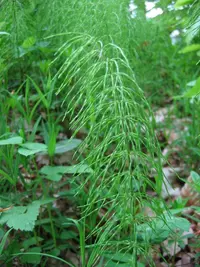
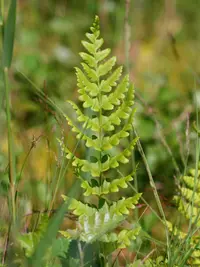
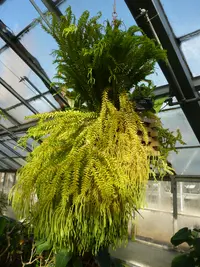
Pointed Hard Fern Care (Blechnum attenuatum)

Also known as: Giant Hard-Fern, Large Deer Fern
Pointed Hard Fern

About Pointed Hard Fern

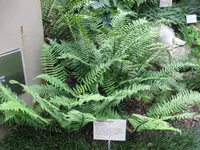
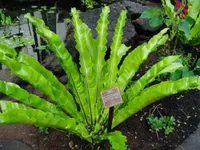
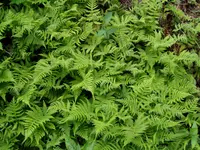
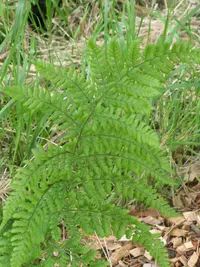
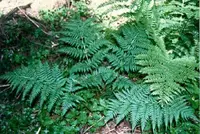
Pointed hard fern (Blechnum attenuatum) is an evergreen fern valued for its neat, upright clumps of firm, narrowly pointed fronds. The foliage often shows a strong central midrib and a slightly leathery texture, giving the plant a structured, architectural look.

This species is native to parts of Australasia and nearby regions, where it grows in humid forests and along shaded slopes. It prefers consistently moist, well-drained soil and protection from harsh, direct sun, which guides how to care for Pointed Hard Fern.

Its relatively slow, compact growth habit makes it suitable for shaded gardens and container culture. With stable moisture and shelter from drying winds or indoor drafts, it is generally moderate in difficulty for beginners.

Main Plant Requirements

Care Difficulty

Moderate Care

Light Preference

Partial Shade

Water Requirements

Keep Soil Moist

Temperature Preference

Warm Climate

Hardiness Zone

10–11

Soil Texture

Loamy, Peaty, Organic-rich

Soil pH

Acidic (5.5–6.5)

Soil Drainage

Moist but well-drained

Fertilization

Minimal (feed rarely)

Get Personalized Care Plan

Scan your plant to receive care tips personalized for your specific plant

Available on iOS and Android

How to Care for the Pointed Hard Fern

This fern prefers cool, sheltered sites with soft, indirect light rather than strong direct sun.

  • Provide 2–4 hours of gentle morning sun with bright, filtered light for the rest of the day, especially under high tree canopy or shade cloth.
  • Allow partial to full shade in hotter regions; direct midday and afternoon sun can scorch Pointed Hard Fern fronds and dry the soil too quickly.
  • In winter, increased low-angle light is usually safe, but in summer use dappled shade or light screening on exposed east- or south-facing spots.

This species thrives in consistently moist but not waterlogged soil, similar to a damp forest floor.

  • Water when the top 1–2 cm of soil feels just starting to dry, aiming to keep the root zone evenly moist rather than alternating between soggy and dry.
  • Use rich, organic soil with good drainage; pooling water, sour smell, or blackened, limp fronds indicate overwatering and possible root rot.
  • Increase watering frequency in hot, windy weather and reduce slightly in cooler months, watching for pale, crisping frond tips as a sign of underwatering in Blechnum attenuatum.

This fern prefers mild, frost-free conditions similar to a cool, sheltered woodland.

  • Aim for average growing temperatures of 55–75°F (13–24°C), where fronds expand steadily and new growth is not stressed by heat or cold.
  • Protect from temperatures below 30°F (-1°C); light frost may burn fronds, while harder freezes can kill crowns and underground rhizomes.
  • In hot spells above 85°F (29°C), increase shade and humidity, avoid hot reflected surfaces, and ensure roots stay cool with mulch and consistent soil moisture.

This fern prefers consistently moist air and reacts quickly to dry indoor conditions.

  • Aim for 60–80% humidity; keep it away from heating vents, fireplaces, and strong fans.
  • Crisping frond tips, stalled new growth, and brown leaflet edges indicate humidity stress rather than underwatering.
  • Increase humidity with a wide pebble tray under the pot, grouping plants, or a cool-mist humidifier near Pointed Hard Fern.

Blechnum attenuatum prefers a loose, humus-rich, evenly moist substrate that never becomes waterlogged.

  • Use a mix of 50–60% peat or coir, 20–30% fine bark, and 10–20% perlite to create a fibrous, airy structure.
  • Ensure fast drainage so water runs through within seconds, but retains slight moisture when you squeeze a handful.
  • Keep pH slightly acidic to neutral, around 5.5–6.8, avoiding alkaline mixes with too much lime or ash.
  • Improve aeration by adding extra fine bark or perlite if the mix compacts or stays soggy more than 2–3 days.

This species adapts well to container cultivation when moisture and stability are carefully managed.

  • Choose a pot just 2–4 cm wider than the root mass so the mix stays evenly moist without staying wet for long.
  • Use a heavier material like ceramic or clay to stabilize the spreading fronds and prevent the container from tipping.
  • Raise the pot slightly on feet or blocks so drainage holes stay clear and excess water leaves the mix quickly.

Blechnum attenuatum benefits from modest, steady feeding during active growth in spring and summer.

  • Use a balanced, dilute liquid fertilizer (for example 10-10-10) at 1/4–1/2 strength every 4–6 weeks while fronds are expanding.
  • Slow-release pellets can replace liquid feedings if applied lightly at the start of spring.
  • Avoid heavy applications; excess nutrients scorch delicate roots and fronds of Pointed Hard Fern.
  • Stop feeding in late fall and winter, when growth slows and the plant rests.

Pruning Blechnum attenuatum focuses on hygiene rather than reshaping the fern.

  • Best time for pruning is late winter to early spring, before strong new growth starts.
  • Remove dead, yellowing, or damaged fronds at the base with clean, sharp scissors or pruning snips.
  • Thin out crowded, overlapping fronds to improve air flow and reduce fungal problems.
  • Light, selective removal maintains a neat outline without stressing the crown or new croziers.

Blechnum attenuatum prefers stable conditions and resents frequent root disturbance, so repot or transplant only when necessary.

  • Plan to move the plant when roots circle the pot base, emerge from drainage holes, or growth becomes noticeably slower.
  • Carry out repotting or transplanting in spring, every 3–4 years, when active growth helps recovery.
  • Shift into a container 2–3 cm wider using a moisture-retentive, well-drained mix, keeping the crown at the same depth.
  • Handle the root ball gently, avoid breaking roots, water thoroughly afterward, and keep in shaded, wind-sheltered conditions for 1–2 weeks.

Blechnum attenuatum is most practically propagated by careful division rather than from spores.

  • Divide established clumps in early spring when new croziers just start to emerge.
  • Lift the plant and separate the rhizome into sections, each with several healthy fronds and active buds.
  • Replant divisions promptly into moist, humus-rich, well-drained substrate, keeping crowns level with the soil surface.
  • Maintain high humidity, stable moisture, and bright, indirect light until strong new growth confirms establishment.

Blechnum attenuatum has moderate cold tolerance but benefits from simple winter protection in colder regions.

  • In climates with frost, apply a 5–8 cm layer of leaf mold or bark mulch around the root zone, keeping it away from the crown.
  • Shelter outdoor plants from cold, drying winds with nearby structures or evergreen companions.
  • Move container-grown plants into a cool, frost-free, bright spot and water sparingly, keeping soil just barely moist.

Care Tips

Frond base mulching

Apply a thin 1–2 cm layer of fine bark or leaf mold around the rhizome to keep roots cool, reduce evaporation, and mimic the forest litter this fern naturally grows in.

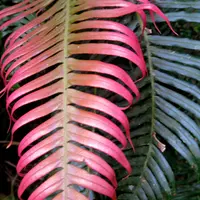
Staggered pot rotation

Rotate the container by 90° every 2–3 weeks so new fronds develop evenly and the crown does not lean toward one side of the light source.

Gentle frond grooming

Remove only fully browned or collapsed fronds by cutting at the base with clean scissors, leaving any partially green fronds to keep photosynthesis capacity high.

Moisture zoning in pots

When potting, group this fern near other moisture-loving species on the same tray so shared evaporation creates a slightly more humid boundary layer around the fronds, which helps when caring for Pointed Hard Fern indoors or on shaded patios.

Seasonal repot timing

Schedule any division or repotting for early spring when light and day length increase, which allows the plant to re-establish quickly and reduces stress compared with moving it during hotter or colder months.

Common Pests and Diseases

Scale insects

This pest often settles along the midribs and undersides of fronds, feeding on sap and causing yellowing, sticky honeydew, and sooty mold growth. Symptoms include slow growth and a general decline in vigor.

Solution

Remove lightly infested fronds or gently scrape individual scales with a cotton swab dipped in 70% isopropyl alcohol, then rinse fronds with lukewarm water. Improve air movement around the plant and, for larger infestations, use a horticultural oil spray labeled for ferns, applied in the evening and repeated as directed to protect the sensitive fronds.

Fern aphids

These insects cluster on tender new croziers and young fronds, sucking sap and causing distortion, curling, and sticky honeydew that can attract sooty mold. This pest may appear suddenly during warm, humid conditions or after moving plants.

Solution

Shower the foliage with a gentle but thorough stream of water to dislodge aphids, paying attention to the undersides of fronds. If needed, apply an insecticidal soap suitable for ferns, sprayed in the cool part of the day, and repeat at 5–7 day intervals until new growth emerges clean.

Rhizoctonia leaf blight

This disease causes brown, irregular lesions starting at frond bases or along the midrib, which can coalesce and kill entire fronds in warm, humid, poorly ventilated conditions. Symptoms include a soft, water-soaked appearance at first, followed by dry, papery brown tissue.

Solution

Remove and discard all affected fronds and any fallen leaf material from the soil surface, then improve spacing, airflow, and avoid overhead watering. In severe or persistent cases, a fungicide labeled for ornamental fern leaf blights can be applied preventively to new growth, following label directions strictly.

Botrytis gray mold

This disease appears as soft, brown spots on older or damaged fronds, often covered by a gray, fuzzy mold in cool, damp, stagnant air. Symptoms include premature frond collapse, especially where spent or injured tissue remains on the plant.

Solution

Prune and dispose of all affected fronds and debris, ventilate the growing area, and reduce prolonged leaf wetness by watering at the base. In enclosed or greenhouse settings, apply a fungicide labeled for Botrytis on ornamentals at the first sign of spotting, focusing on protecting healthy emerging fronds.

Fern mites

This pest, often a type of eriophyid or broad mite, feeds on the undersides of delicate pinnae, leading to dull, rough, or slightly twisted fronds and a general loss of healthy green color. Symptoms include very fine stippling and a dusty or rough surface when inspected closely with magnification.

Solution

Isolate the plant, increase humidity to discourage mite buildup, and rinse fronds thoroughly with lukewarm water, repeating weekly. For persistent infestations, use a miticide or insecticidal soap labeled for mite control on ferns, ensuring coverage of undersides and new growth while avoiding application during hot, bright periods.

Interesting Facts

Dimorphic frond structure

This species produces two distinct types of fronds: softer, spreading sterile fronds that form the main foliage and stiffer, more upright fertile fronds that carry the spores, a pattern known as frond dimorphism.

Moist forest specialist

It naturally occurs on shaded, humid forest floors and banks in parts of East Asia, where it often forms loose colonies in consistently moist, acidic soils with high organic matter.

Spore-based reproduction

Like other ferns, this species does not produce flowers or seeds but relies on microscopic spores that develop on the undersides of fertile fronds, then grow into tiny gametophytes that complete the reproductive cycle.

FAQs about Pointed Hard Fern

Browning fronds usually come from low humidity, missed waterings, or excess direct sun scorch. Old fronds also brown naturally with age. Trim damaged parts, maintain even moisture, increase humidity, and protect from harsh midday sun.

Grow Healthy Plants with Botan Care

Keep your plants happy and healthy with plant identification, disease detection, and easy care guidance.

Botan plant care app — identify plants on mobile

Explore More Plants