Southern Hard Fern Care (Blechnum australe)

Also known as: Southern Deer Fern
Southern Hard Fern

About Southern Hard Fern

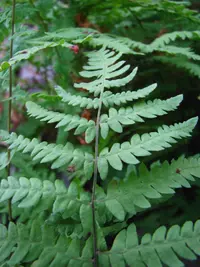
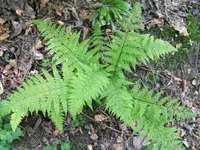
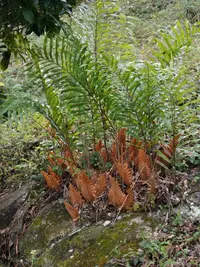
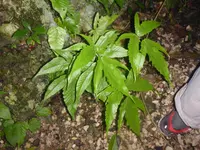
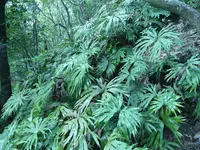
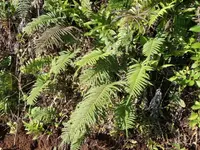
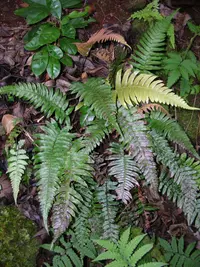
Southern hard fern, Blechnum australe, is an evergreen fern with strong, upright fronds that create a bold, architectural clump. The fronds are firm in texture and stay green year-round in mild climates.

This species is native to the Southern Hemisphere, including parts of South America and Australasia, where it grows in moist, sheltered habitats. Its tough fronds and persistent foliage make it visually striking but slightly less forgiving of very dry or exposed conditions.

It prefers consistently moist, well-drained, humus-rich soil and protection from harsh, direct sun. Understanding these natural preferences helps explain how to care for Southern Hard Fern successfully in gardens or containers.

Main Plant Requirements

Care Difficulty

Moderate Care

Light Preference

Partial Shade

Water Requirements

Keep Soil Moist

Temperature Preference

Warm Climate

Hardiness Zone

9–11

Soil Texture

Loamy, Peaty, Organic-rich

Soil pH

Acidic (5.5–6.5), Slightly acidic (6.5–7.0)

Soil Drainage

Moist but well-drained

Fertilization

Minimal (feed rarely)

Get Personalized Care Plan

Scan your plant to receive care tips personalized for your specific plant

Available on iOS and Android

How to Care for the Southern Hard Fern

This fern prefers bright, indirect light that mimics a lightly shaded forest floor.

  • Provide 2–4 hours of soft morning sun with dappled or filtered light the rest of the day; avoid harsh midday and afternoon sun.
  • Grow in partial to full shade outdoors; fronds scorch and turn pale or crispy under strong sun, especially in hot, dry weather.
  • If fronds elongate, darken, and lose density, light may be too low; in winter, slightly brighter positions help compensate for shorter days when caring for Southern Hard Fern.

This species prefers consistently moist, cool soil without becoming waterlogged.

  • Water when the top 2–3 cm of soil feel slightly dry, aiming for evenly damp soil around the root zone rather than cycles of full drying.
  • Use rich, humus-based soil with good drainage; standing water or a sour smell indicates poor aeration and risk of root rot for Blechnum australe.
  • In spring and summer, increase watering as growth and evaporation rise; in cooler months, reduce frequency but never allow the soil to dry out completely, watching for limp, crisping fronds as a sign of underwatering.

This fern thrives in mild, frost-free conditions with stable, cool to moderate temperatures.

  • Aim for 60–75°F (16–24°C) for best growth; steady, moderate temperatures support healthy frond development and root activity.
  • Short drops to about 40°F (4°C) may be tolerated if the soil is not waterlogged, but repeated frosts damage fronds and can kill young crowns.
  • In hot spells above 86°F (30°C), provide deep shade, extra moisture, and mulch to keep roots cool; avoid exposure to drying winds and heat-reflecting surfaces.

This fern needs consistently moist air to maintain healthy fronds.

  • Aim for 60–80% humidity, as Southern Hard Fern declines in typical dry, heated rooms.
  • Crisping tips, pale fronds, and stalled growth indicate humidity stress rather than lack of water at the roots.
  • Use pebble trays, grouped plants, or a cool-mist humidifier near the plant to raise local humidity without wetting fronds directly.

This fern prefers moist, airy, organic-rich soil that mimics a forest floor.

  • Use a loose mix of 2 parts peat or coco coir, 1 part compost, and 1 part fine bark to suit Blechnum australe.
  • Ensure steady moisture with drainage; soil should stay damp but never waterlogged or compacted.
  • Aim for slightly acidic to neutral pH around 5.5–7.0 to support nutrient uptake and healthy root growth.
  • Avoid heavy clay, pure sand, or bark-only mixes that either hold water too long or dry out within hours.

This species adapts well to container growing when moisture and stability are controlled.

  • Choose a pot slightly deeper than wide so rhizomes and roots have vertical space to spread without crowding.
  • Use a sturdy, weighty container material to prevent tipping as fronds lengthen and create lateral leverage.
  • Select a potting setup that drains freely yet retains some surface moisture, such as a cachepot system that catches but does not submerge runoff.

Blechnum australe benefits from modest feeding in containers, while in-ground plants often need little extra nutrition.

  • Use a balanced, diluted liquid fertilizer (around 10-10-10 at 1/4–1/2 strength) for potted plants during active growth.
  • Feed every 4–6 weeks in spring and summer, skipping applications if growth looks strong and fronds are deep green.
  • Avoid fertilizing in fall and winter when growth slows, to prevent weak, overly soft fronds.
  • Organic compost or a mild slow-release fern fertilizer can be mixed lightly into potting soil at the start of the season.

Blechnum australe needs light pruning mainly to maintain health and a tidy shape.

  • Best time for pruning is late winter to early spring before strong new growth starts.
  • Remove brown, dead, or damaged fronds at the base using clean, sharp pruners or scissors.
  • Thin out crowded or crossing fronds to improve air flow and highlight the natural fountain-like shape.
  • Avoid cutting into the central crown, as this can slow recovery and reduce new frond production.

Southern Hard Fern prefers stable conditions, so repotting or transplanting should be infrequent and careful.

  • Repot or transplant every 2–3 years, or when roots circle the pot, growth slows, or soil dries very quickly.
  • Choose early spring or early fall, moving the fern into a slightly larger container or similar shaded garden position.
  • Lift the plant gently, disturbing roots as little as possible, and keep the crown at the same soil level.
  • Water thoroughly afterward, keep in shaded, wind-sheltered conditions for 1–2 weeks, and maintain even moisture to reduce stress.

Blechnum australe is usually propagated by division, with spore sowing reserved for more advanced growers.

  • Divide established clumps in early spring when new croziers are just emerging and temperatures are mild.
  • Lift the plant, gently tease apart sections ensuring each division has a healthy crown and good root mass.
  • Replant divisions into moist, free-draining, humus-rich soil and keep in bright shade with high humidity.
  • For spores, sow on sterilized, consistently moist medium, cover lightly, and provide steady warmth around 70°F.

Blechnum australe is moderately cold hardy but benefits from some winter attention in colder regions.

  • In-ground plants tolerate light frost but may suffer below about 20–25°F, especially in exposed sites.
  • Apply a 5–8 cm mulch of leaves or bark around the root zone, keeping material off the crown.
  • Move container plants into a cool, frost-free, bright, sheltered location and keep soil just slightly moist.

Care Tips

Frond spacing check

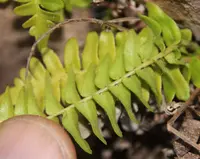
Inspect crowded clumps each spring and gently remove a few of the oldest, brown basal fronds to improve air circulation and reduce fungal spotting on new growth.

Moisture-retentive mulching

Apply a 3–5 cm layer of fine pine bark or leaf mold around, but not touching, the crown to keep the root zone evenly moist and protect shallow roots from drying winds.

Gradual site adjustment

If moving the plant outdoors or to a brighter patio, shift it over 7–10 days by increasing light and exposure time in small steps to avoid frond scorch and stress.

Salt and lime avoidance

Use low-salinity, non-softened water and avoid lime-based gravel or concrete run-off near the root zone, as this fern declines in alkaline, high-salt conditions.

Dividing mature clumps

Every 3–5 years, divide large, pot-bound crowns in late spring by cutting the rhizome into firm sections with at least 3–4 healthy fronds each, then potting them separately to manage size and maintain vigorous growth when growing Southern Hard Fern.

Common Pests and Diseases

Scale insects

This pest attaches firmly to frond midribs and undersides, sucking sap and causing yellowing and gradual frond decline.

Solution

Remove heavily infested fronds, then wipe remaining scales off with cotton pads dipped in diluted isopropyl alcohol or insecticidal soap, repeating every 7–10 days until new growth appears clean. Improve air movement and avoid excess nitrogen fertilizer, which encourages soft, vulnerable growth.

Fern aphids

These insects cluster on tender new croziers and frond tips, curling and distorting growth and leaving sticky honeydew that can attract sooty mold.

Solution

Rinse colonies off with a firm, lukewarm water spray, then treat remaining aphids with insecticidal soap or a light horticultural oil, fully coating both sides of fronds. Monitor new flushes of growth closely and repeat treatments at short intervals before populations build up again.

Rhizoctonia leaf spot

This disease causes irregular tan to dark-brown spots or patches on fronds, often starting near the base where humidity is highest and spreading along the blade.

Solution

Prune and discard affected fronds, increase spacing and airflow around the plant, and keep foliage dry by watering at the soil level. In persistently humid or commercial settings, a labeled fungicide for ornamental ferns may be used according to Blechnum australe care instructions, focusing on protecting new fronds.

Pythium root and crown rot

This disease develops in poorly drained or waterlogged substrates, leading to blackened roots, a soft crown, and progressive frond wilt and collapse.

Solution

Discard severely affected plants; for early cases, remove the plant from its pot, cut away all dark, mushy tissue, and repot into fresh, sharply draining mix in a container with large drainage holes. Adjust watering so the medium stays evenly moist but not saturated, and avoid letting pots stand in saucers of water.

Botrytis blight

This disease produces soft, water-soaked lesions on older or damaged fronds that can develop gray, fuzzy mold in cool, stagnant, humid conditions, particularly in dense plantings or indoor displays.

Solution

Promptly remove and dispose of all affected tissue and any fallen fronds, then increase ventilation and reduce overcrowding around the plant. Water early in the day, avoid overhead wetting of fronds, and in stubborn cases apply an appropriate fungicide labeled for ornamental ferns to protect healthy foliage.

Interesting Facts

Southern Hemisphere specialist

This fern is naturally distributed across the Southern Hemisphere, occurring in regions such as southern South America, New Zealand, and parts of Australia, often in cool, moist forest habitats and along stream banks.

Distinct fertile fronds

Its fertile fronds are usually taller, narrower, and more erect than the sterile ones, with the undersides densely covered in spore-bearing sori that give a noticeably different texture and color compared with the foliage fronds.

Tough, leathery foliage

The fronds are relatively thick and leathery compared with many other ferns, an adaptation that helps them tolerate wind, splash zones, and periodically exposed coastal or forest-edge sites while still remaining evergreen in mild climates.

Botan icon

Did you know?

In its native range, this species can develop a short, trunk-like rhizome that lifts the rosette of fronds above the ground, giving mature specimens a small tree-fern appearance even though it is not classified among true tree ferns.

FAQs about Southern Hard Fern

Brown fronds usually result from low humidity, accumulated salts, or past drought. Trim off crispy parts, flush the pot with water occasionally, and maintain evenly moist soil with moderate humidity to prevent further tissue damage.

Grow Healthy Plants with Botan Care

Keep your plants happy and healthy with plant identification, disease detection, and easy care guidance.

Botan plant care app — identify plants on mobile

Explore More Plants