amaumau fern Care (Blechnum cyatheoides)

Also known as: ʻamaʻu
amaumau fern

About amaumau fern

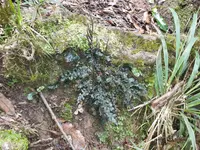
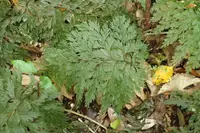
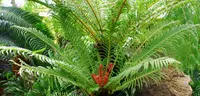
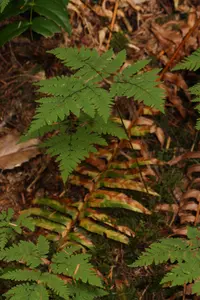
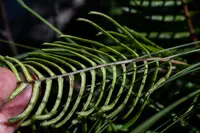
Amaumau fern, Blechnum cyatheoides, is an evergreen fern native to New Zealand, often found in moist forests and along stream banks. It forms upright crowns of firm, divided fronds that can create a small, vase-shaped clump.

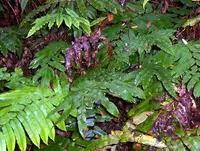
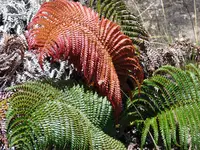
The new fronds often emerge with a bronze or reddish tint before turning deep green, giving the plant distinct seasonal interest. Its slow, steady growth and preference for consistently cool, moist conditions mean it is moderately demanding under typical home environments.

To care for amaumau fern successfully, it generally needs bright, indirect light, evenly moist but well-drained soil, and good humidity, whether grown indoors or in a sheltered, shaded outdoor spot in mild climates.

Main Plant Requirements

Care Difficulty

Moderate Care

Light Preference

Partial Shade

Water Requirements

Keep Soil Moist

Temperature Preference

Warm Climate

Hardiness Zone

10–12

Soil Texture

Loamy, Peaty, Organic-rich

Soil pH

Strongly acidic (4.5–5.5), Acidic (5.5–6.5)

Soil Drainage

Moist but well-drained

Fertilization

Minimal (feed rarely)

Get Personalized Care Plan

Scan your plant to receive care tips personalized for your specific plant

Available on iOS and Android

How to Care for the amaumau fern

This fern prefers cool, shaded forest light rather than direct, open sun.

  • Provide 2–4 hours of soft morning sun or bright, filtered light under trees or shade cloth; avoid harsh midday and afternoon sun that can scorch fronds.
  • Site amaumau fern in partial to full shade, allowing moving dappled light similar to a forest understory, especially in summer.
  • In hot climates, increase shade in late spring–summer; in cooler, cloudy regions, choose brighter dappled spots to prevent weak, elongated fronds.

This species prefers consistently moist, never stagnant, soil conditions.

  • Keep soil evenly moist; allow only the top 1–2 cm to feel just barely dry before watering again, especially during active growth.
  • Use deep, thorough watering so moisture reaches the root zone, then let excess drain away; Blechnum cyatheoides dislikes standing water and waterlogged soil.
  • Reduce watering frequency slightly in cooler months, watching for limp, curling fronds from dryness or blackened, mushy roots and yellowing fronds from overwatering.

This fern favors mild, frost-free conditions with limited heat stress.

  • Aim for 55–75°F (13–24°C) for steady growth; short dips outside this range are tolerated if soil moisture stays stable.
  • Protect from frost; growth slows below about 45°F (7°C) and foliage can be damaged around 32°F (0°C), especially in exposed sites.
  • In hot weather above 80–85°F (27–29°C), increase shade and humidity and avoid hot, drying winds to reduce frond scorch and stress.

This fern prefers consistently moist air and reacts quickly to dry indoor conditions.

  • Aim for 60–80% humidity; use a humidifier or pebble tray if indoor air stays below 50%.
  • Dry, browning pinnae edges, crisp fronds, and slow unfurling indicate humidity stress in amaumau fern.
  • Increase local humidity by grouping plants, avoiding heater vents, and lightly misting fronds in the morning, not at night.

This species needs consistently moist, humus-rich soil that drains freely yet never dries out completely.

  • Use a loose, organic mix for Blechnum cyatheoides, such as 2 parts peat-free compost, 1 part fine bark, and 1 part perlite.
  • Aim for slightly acidic soil, roughly pH 5.5–6.5, which supports nutrient uptake and healthy root growth.
  • Ensure water drains within a few seconds from the surface; mix in bark or perlite if water pools or soil compacts.
  • Avoid heavy clay, pure sand, or mixes with large amounts of unamended garden soil that stay waterlogged or form hard clods.

This fern adapts well to container growing when moisture and stability are managed carefully.

  • Choose a pot slightly deeper than wide to accommodate its fibrous root system and maintain even moisture distribution.
  • Use a sturdy, weighty container material if grown outdoors to reduce tipping in wind as fronds gain height and spread.
  • Select a potting setup that keeps drainage water away from the base, such as an elevated pot over a saucer, to prevent constant root contact with runoff.

Blechnum cyatheoides prefers light, steady nutrition rather than heavy feeding.

  • Use a balanced liquid fertilizer (around 10-10-10) at 1/4–1/2 strength for amaumau fern in containers.
  • Feed every 4–6 weeks in spring and summer while growth is active.
  • Skip or greatly reduce feeding in fall and winter when growth slows.
  • Organic compost or a slow-release, low-dose fern fertilizer can be mixed lightly into the topsoil.

Blechnum cyatheoides benefits from light, maintenance pruning rather than reshaping.

  • Carry out pruning in late winter or early spring before new fronds unfurl.
  • Remove dead, yellowing, or damaged fronds cleanly at the base to reduce disease risk.
  • Thin out crowded, shading fronds to improve air flow and highlight the natural vase shape.
  • Use clean, sharp scissors or pruners and disinfect blades between plants.

This fern prefers stable conditions, so repot or transplant only when clearly rootbound or stressed.

  • Look for roots circling the pot, pushing through drainage holes, or slow, weak growth as signs to move Blechnum cyatheoides.
  • Plan repotting or transplanting in early spring, every 2–3 years for containers or only as needed in the ground.
  • Step up just 1 pot size, using a moisture-retentive, slightly acidic, well-drained mix.
  • Keep the root ball intact, water thoroughly, then shade and maintain even moisture for 1–2 weeks to limit transplant shock.

Blechnum cyatheoides is usually propagated by division rather than from spores in home settings.

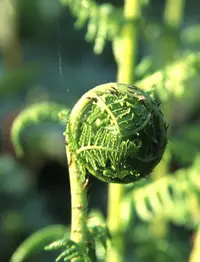
  • Divide established clumps in early spring when new croziers are just emerging.
  • Lift the plant carefully, then separate the rhizome into sections, each with several healthy fronds and roots.
  • Replant divisions at the same depth in a moist, humus-rich, well-drained substrate.
  • Maintain high humidity, consistent moisture, and bright, indirect light until new growth establishes.

This fern is moderately cold tolerant but benefits from some winter protection in cooler climates.

  • In regions below about 25°F, apply a 5–8 cm layer of mulch around the root zone, keeping it off the crown.
  • Leave old fronds in place over winter where possible to shelter the central crown.
  • In containers, move plants to a cool, frost-free, bright location and keep soil slightly moist, not wet.

Care Tips

Protect tender croziers

Place a low ring of wire mesh or small stakes around emerging fronds so pets, feet, or falling debris do not snap the soft croziers as they unfurl.

Use deep, stable pots

Choose a tall, heavy container so the developing trunk has space for root anchoring and the plant does not topple as fronds lengthen and catch wind or indoor drafts.

Refresh organic mulch

Top-dress annually with a thin layer of fine bark or leaf mold, keeping it off the crown, to mimic forest litter, conserve moisture, and encourage new fibrous roots near the surface.

Manage salt buildup

In pots, periodically flush the substrate with clean, low-mineral water until it runs freely from the drainage holes to prevent dissolved salts from damaging the shallow root system while caring for amaumau fern.

Plan gradual repositioning

If relocating the plant outdoors for summer or indoors for winter, shift its position over 7–10 days so the fronds adapt gradually to changes in air movement and light angle, reducing stress and frond scorch.

Common Pests and Diseases

Scale insects

This pest attaches along frond midribs and stipes, sucking sap and causing yellowing, stunted fronds, and sticky honeydew that can lead to sooty mold. Symptoms include rough, brown or tan bumps that do not easily rub off.

Solution

Isolate the plant, then gently wipe fronds and stipes with a soft cloth or cotton pad dipped in diluted insecticidal soap or horticultural oil, repeating every 7–10 days until no new scale appears. Improve air movement and avoid excess nitrogen fertilizer, which encourages soft growth that is more vulnerable to scale.

Fern aphids

These insects cluster on young croziers and tender frond bases, distorting new growth and leaving sticky honeydew deposits. This pest is most common in humid, sheltered fern collections and shaded greenhouses.

Solution

Rinse affected fronds thoroughly with a strong but gentle stream of water, then treat remaining colonies with insecticidal soap, ensuring full coverage of undersides and growing tips. Remove heavily infested fronds and reduce crowding around the plant to make monitoring and repeat treatments easier when caring for amaumau fern.

Rhizoctonia blight

This disease causes brown, sunken lesions on the rachis and lower pinnae, which can lead to collapsing fronds in dense, wet plantings. Symptoms include a webby fungal growth at the base of fronds when humidity is high and airflow is poor.

Solution

Remove and discard all blighted fronds and surface debris, then allow the substrate surface to dry slightly between waterings while keeping the root zone evenly moist, not saturated. Improve ventilation, avoid overhead watering, and, in severe or recurring cases, drench with a fern-safe fungicide labeled for Rhizoctonia in accordance with local regulations.

Leaf tip scorch

Symptoms include browning and crisping of pinna tips and margins, especially on fronds exposed to moving air, strong sun, or excess fertilizer salts. This problem is common when the plant is grown in low humidity or in coarse, fast-drying media that are allowed to cycle between very wet and very dry.

Solution

Trim off severely scorched tissue, then adjust positioning to bright, indirect light away from hot sun and drying drafts. Maintain more even moisture with a humus-rich, slightly acidic mix, reduce fertilizer strength, and, if irrigation water is very hard, consider using rainwater or filtered water to reduce salt buildup.

Cold damage

Symptoms include dark, water-soaked patches that turn brown or black on fronds after exposure to temperatures below the plant’s tolerance, often followed by slow or weak new growth. This issue typically appears after unexpected cold snaps, drafts, or transport in unheated conditions.

Solution

Remove badly damaged fronds once they are fully discolored, then keep the plant in stable, cool to mild temperatures appropriate for this species, avoiding sudden drops and cold air currents. Ensure the root zone stays moist but not waterlogged while new croziers develop, and avoid repotting or heavy fertilizing until healthy growth resumes.

Interesting Facts

New Zealand coastal specialist

This fern is naturally restricted to coastal and lowland forest areas of New Zealand and some nearby islands, where it often grows on rocky slopes and stream banks exposed to ocean influence.

Distinct juvenile and adult fronds

It shows strong dimorphism between its shorter, broader juvenile fronds and its longer, more arching adult fronds, which can give a clumping plant two very different visual textures at once.

Fronds adapted to wind

In its native windy habitats, the tough, leathery fronds and tight clumping habit help reduce damage from salt-laden coastal winds and moving debris.

Botan icon

Did you know?

Genetic and morphological studies have shown that this species sits in a small lineage of tree-fern-like blechnums, with a short, upright trunk in old plants that hints at an evolutionary transition between ground ferns and true tree ferns.

FAQs about amaumau fern

This species is evergreen in mild, frost-free conditions, holding fronds year-round. In cooler climates, older fronds may die back in winter, then new growth emerges from the crown when temperatures warm and moisture is consistent.

Grow Healthy Plants with Botan Care

Keep your plants happy and healthy with plant identification, disease detection, and easy care guidance.

Botan plant care app — identify plants on mobile

Explore More Plants