Black Hard Fern Care (Blechnum nigrum)

Black Hard Fern

About Black Hard Fern

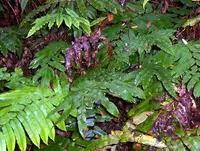
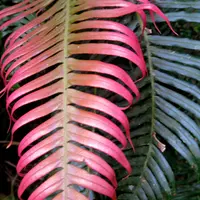
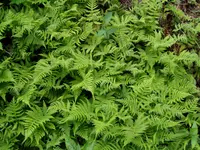
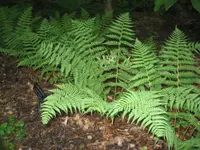
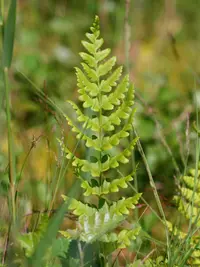
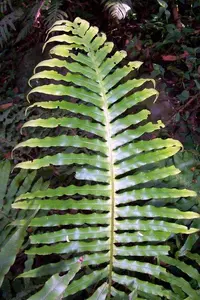
Black hard fern, Blechnum nigrum, is a terrestrial fern valued for its strong, upright fronds and compact, structured clumps. It offers a more architectural look than many softer ferns. New fronds often emerge a darker shade before maturing to deep green, giving subtle color contrast in shaded spaces.

This species is naturally found in moist, cool habitats, often in woodland or mountainside environments. It prefers consistently damp, humus-rich soil and protection from harsh sun, which guides how to care for Black Hard Fern.

Once established in suitable conditions, it is moderately easy to maintain, but it reacts poorly to drying out or prolonged heat, so stable moisture and temperature are important.

Main Plant Requirements

Care Difficulty

Moderate Care

Light Preference

Partial Shade

Water Requirements

Keep Soil Moist

Temperature Preference

Cool Climate

Hardiness Zone

7–9

Soil Texture

Loamy, Peaty, Organic-rich

Soil pH

Acidic (5.5–6.5)

Soil Drainage

Moist but well-drained

Fertilization

Minimal (feed rarely)

Get Personalized Care Plan

Scan your plant to receive care tips personalized for your specific plant

Available on iOS and Android

How to Care for the Black Hard Fern

This fern prefers soft, woodland-style light rather than direct, open sun.

  • Provide bright shade or dappled light, such as under trees or beside a north- or east-facing wall, with 2–4 hours of gentle morning sun at most.
  • Protect Black Hard Fern from strong midday and afternoon sun, which can scorch fronds and cause leaf edges to brown or curl.
  • In summer, increase shade or use filtered light; in winter, allow a bit more indirect light while still avoiding harsh direct rays.

This species prefers steadily moist, cool soil without becoming waterlogged.

  • Water when the top 2–3 cm of soil feels slightly dry, aiming to keep the root zone evenly damp but not saturated.
  • Ensure soil is rich, humus-based, and well draining; standing water or a sour smell indicates overwatering and risk of root rot.
  • Crisping or folding fronds suggest underwatering, while yellowing, limp fronds suggest excess moisture; reduce watering in cool seasons when growth slows.

This fern grows best in mild, consistently cool to moderate temperatures.

  • Aim for 55–70°F (13–21°C) for steady growth, avoiding sudden swings in temperature where possible.
  • It tolerates brief drops to about 30–32°F (-1–0°C), but repeated hard frosts or freezes can damage fronds and crowns.
  • In hot spells above 80°F (27°C), provide deeper shade, extra humidity, and mulch to keep roots cool, and avoid hot, drying winds.

This fern benefits from consistently moist air and reacts quickly to dry indoor conditions.

  • Aim for 60–80% humidity; growth slows and fronds stiffen if air stays below about 50%.
  • In dry rooms, tips brown and unfurling fronds deform, showing humidity stress rather than watering issues.
  • Increase humidity with a pebble tray under the pot, grouping plants, or running a nearby cool-mist humidifier for caring for Black Hard Fern.

Blechnum nigrum prefers cool, moist, humus-rich soil that drains freely yet never dries out completely.

  • Use a mix of 50–60% peat or coco coir with compost, plus fine bark and perlite to keep texture loose and moisture-retentive.
  • Aim for slightly acidic conditions around pH 5.5–6.5 to support nutrient uptake typical of woodland ferns.
  • Ensure water drains within a few seconds from the pot base; adjust with more bark or perlite if water lingers.
  • Avoid heavy clay, compacted mixes, or any soil that forms a crust when dry, as these suffocate fine feeder roots.

This species is well suited to containers when consistent moisture and root coolness are maintained.

  • Choose a pot slightly deeper than wide so the fibrous root system can extend downward without congestion.
  • Select thick-walled clay or ceramic containers outdoors to moderate root temperature and reduce rapid drying in sun or wind.
  • Place the container where wind exposure is limited to prevent frond damage and tipping as the crown becomes denser.

Blechnum nigrum benefits from light, consistent feeding during active growth but is sensitive to excess salts.

  • Use a balanced liquid fertilizer (around 10-10-10) at 1/4–1/2 strength every 4–6 weeks in spring and summer.
  • Alternatively, apply a thin top-dressing of fine compost or a low-dose slow-release fertilizer at the start of spring.
  • Always water the soil before and after feeding to reduce root burn risk and help distribute nutrients evenly.
  • Stop or reduce feeding to 1 very light application in late fall if the plant remains semi-evergreen, and avoid fertilizing in full winter dormancy.

Pruning needs for Blechnum nigrum are minimal and focus on sanitation rather than shaping.

  • In late winter or early spring, remove dead, brown, or diseased fronds at the base using clean, sharp scissors or pruners.
  • Trim damaged tips only when necessary to prevent fraying, cutting just above a leaflet joint for a neat look.
  • Thin out a few old, congested fronds from the center to improve light and air movement without exposing the crown.
  • Disinfect tools before and after use with alcohol or a 10% bleach solution to reduce disease spread.

This fern prefers stable conditions, so repotting or transplanting Blechnum nigrum should be infrequent and gentle.

  • Repot or transplant every 3–4 years, or when roots circle the pot, emerge from drainage holes, or growth slows despite good care.
  • Choose early spring for moves, using a slightly larger container or a shaded garden position with moist, well-drained, slightly acidic soil.
  • Handle the root ball carefully; loosen only the outer roots and avoid breaking the central root mass to limit transplant shock.
  • Water thoroughly after planting, keep soil evenly moist, and provide shade and wind protection for 1–2 weeks while the plant re-establishes.

Propagation of Blechnum nigrum is usually done by careful division, while spore propagation is slow and technical.

  • Divide mature clumps in early spring when new croziers (unfurling fronds) just start to emerge.
  • Lift the plant, then split the rhizome or crown into sections, each with healthy roots and several living buds or fronds.
  • Plant divisions into moist, well-drained, sterile mix, firm gently, and maintain high humidity and consistent moisture without waterlogging.
  • For spore sowing, use sterilized, fine-textured media, keep covered at 65–75°F, and expect a long, gradual germination and establishment period.

This fern is moderately cold hardy but benefits from basic winter protection in colder regions.

  • Tolerates light frosts, but prolonged freezes below about 20°F can damage fronds and crowns.
  • In late fall, apply a 5–8 cm layer of leaf mold or bark mulch around, not on top of, the crown to insulate roots.
  • Move container plants to a cool, frost-free, shaded space and keep the soil just slightly moist, never saturated.
  • Leave naturally browned fronds in very cold areas until late winter, as they provide extra insulation for the crown.

Care Tips

Rhizome Positioning

Plant the rhizome just at or slightly above the soil surface and brush away accumulated mulch each spring so the crown stays exposed and does not rot.

Staggered Frond Thinning

Every late winter, remove only the oldest, most shaded fronds at the base to improve air flow and light to inner growth without shocking the plant.

Cool-Root Mulching

Use a 3–5 cm layer of fine bark or leaf mold around but not touching the crown to keep roots cool, suppress weeds, and maintain even surface moisture.

Buffered Watering Zone

If using tap water with moderate hardness, water around the outer root zone rather than directly into the crown to reduce salt buildup and crown sensitivity over time.

Seasonal Container Rotation

For container plants, rotate the pot by 1/4 turn every 2–3 weeks during active growth so fronds develop evenly and the plant maintains a balanced, upright shape when growing Black Hard Fern.

Common Pests and Diseases

Scale insects

This pest attaches firmly to fronds and stems, appearing as small brown or tan bumps that cause yellowing and overall decline. Symptoms include sticky honeydew on fronds and surrounding surfaces, sometimes followed by sooty mold growth.

Solution

Remove heavily infested fronds and wipe remaining fronds with a cloth or cotton pad dipped in diluted alcohol or insecticidal soap, taking care to reach the midrib and undersides. For ongoing Blechnum nigrum care, keep humidity stable, avoid excess nitrogen fertilizer, and repeat treatments at 7–10 day intervals until no new scale is seen.

Fern aphids

These insects cluster on the tender young fronds and undersides, causing distortion, curling, and pale growth. This pest also produces sticky honeydew that can attract black sooty mold on the foliage.

Solution

Rinse fronds thoroughly with a gentle but firm stream of lukewarm water to dislodge colonies, then follow with an application of insecticidal soap, ensuring full coverage of young fronds and undersides. Improve air circulation around the plant and avoid water stress, as strongly growing ferns are less attractive to aphids.

Rhizoctonia crown rot

This disease attacks the crown and basal frond bases, leading to wilting, browning, and collapse from the center of the plant outward. Symptoms include a brown, sunken, sometimes dry rot at the crown level, often following periods of prolonged soil wetness and poor drainage.

Solution

Remove and discard affected plants or cut away all rotted tissue, then repot any salvageable sections into a fresh, well-drained but consistently moist mix in a clean container. To prevent recurrence, avoid waterlogged conditions, keep the crown at or just above the soil surface, water in the morning, and provide good airflow around the foliage.

Pythium damping-off

This disease primarily affects spores and very young fern gametophytes or seedlings, causing sudden collapse, water-soaked stems, and failure of new plants to establish. Symptoms include a slimy or mushy base and rapid loss of entire trays or patches in propagation settings.

Solution

Discard affected seedling batches and sterilize trays, tools, and propagation surfaces before re-sowing. Use a pasteurized, free-draining medium, avoid overwatering and splashing irrigation, and maintain moderate air movement to keep the surface just moist rather than saturated.

Fern leaf spot

This disease produces small brown to dark spots or blotches on the pinnae that may merge into irregular patches, sometimes with a yellow halo. Symptoms include premature browning and drop of heavily affected fronds, especially under humid, crowded conditions with poor air circulation.

Solution

Prune and discard infected fronds, then increase spacing and airflow around the plant to allow foliage to dry more quickly after watering or misting. Water at the soil level rather than over the fronds, and if the problem recurs, use a fern-safe fungicide labeled for leaf spot, applied according to the product directions.

Interesting Facts

Dark-tinted fronds

The fronds of this species often emerge with a noticeably darker, almost blackish midrib and stipe, a trait that inspired its common name black hard fern and helps distinguish it from other Blechnum species with greener stems.

Moist, acidic habitat

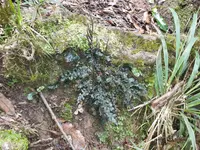
In the wild it is typically associated with consistently moist, often acidic soils along stream banks and wet woodland margins, reflecting an adaptation to cool, shaded microclimates with stable humidity.

Spores and new colonies

Like other ferns it reproduces by spores rather than seeds, but this species is noted for forming localized colonies where suitable moisture and soil chemistry persist, slowly expanding its patch over time.

FAQs about Black Hard Fern

Browning fronds usually result from low humidity, irregular watering, or excess direct sun. Dry tips signal air that is too dry, while widespread browning can indicate root issues from compacted soil or chronic overwatering.

Grow Healthy Plants with Botan Care

Keep your plants happy and healthy with plant identification, disease detection, and easy care guidance.


Botan plant care app — identify plants on mobile

Explore More Plants