Glossy Hard Fern Care (Blechnum punctulatum)

Also known as: Glossy Deer Fern
Glossy Hard Fern

About Glossy Hard Fern

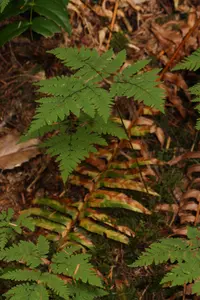
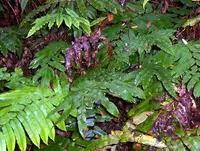
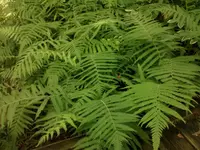
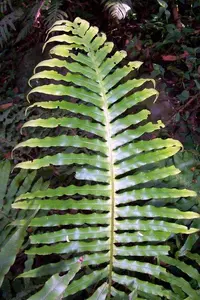
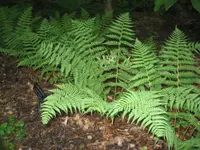
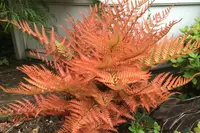
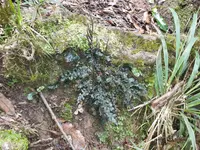
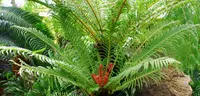
The glossy hard fern, Blechnum punctulatum, is a compact evergreen fern valued for its neatly layered, leathery fronds with a distinct glossy surface. It typically forms low, arching clumps that give a structured, architectural look in pots or shaded garden spots.

This species is native to parts of the Southern Hemisphere, often found in moist forests and along sheltered slopes. Its tough foliage and steady growth make it more forgiving than many delicate ferns, though it still prefers stable, cool conditions.

Those who want to care for Glossy Hard Fern should note its preference for consistently moist, well-drained soil and protection from hot, direct sun. It suits indoor displays or shaded outdoor areas where humidity stays moderate to high.

Main Plant Requirements

Care Difficulty

Moderate Care

Light Preference

Partial Shade

Water Requirements

Keep Soil Moist

Temperature Preference

Cool Climate

Hardiness Zone

8–10

Soil Texture

Loamy, Peaty, Organic-rich

Soil pH

Acidic (5.5–6.5)

Soil Drainage

Moist but well-drained

Fertilization

Minimal (feed rarely)

Get Personalized Care Plan

Scan your plant to receive care tips personalized for your specific plant

Available on iOS and Android

How to Care for the Glossy Hard Fern

This fern prefers soft forest-like light that avoids harsh midday sun.

  • Provide 2–4 hours of gentle morning sun or bright filtered light under trees or shade cloth; avoid direct sun from 11 a.m. to 3 p.m.
  • Grow Glossy Hard Fern in partial to full shade; fronds may scorch, curl, or bleach if exposed to strong afternoon sun, especially in summer.
  • In winter, allow slightly more exposure by thinning overhead shade, but protect from low-angle intense sun with dappled cover or sheer screening.

This fern prefers consistently moist, but not waterlogged, soil around its roots.

  • Aim for soil that feels evenly damp; in beds, water when the top 2–3 cm are just starting to feel less cool, using deep soakings rather than light sprinkles.
  • Ensure rich, humus-heavy soil with good drainage; standing water or sour smells indicate overwatering and risk of root rot, especially in compacted sites.
  • In warm, dry weather, monitor fronds for soft wilting or crisp tips as signs of drying; reduce frequency in cool or rainy seasons while keeping the root zone slightly moist.

This fern grows best in mild, frost-free conditions with stable temperatures.

  • Optimal growth occurs around 55–75°F (13–24°C), similar to cool, sheltered woodland conditions with moderate humidity.
  • Blechnum punctulatum tolerates brief drops to about 30–32°F (-1–0°C), but repeated frosts can burn fronds; protect crowns with mulch in colder areas.
  • In hot spells above 85°F (29°C), provide extra shade and moisture; avoid hot, drying winds and reflected heat from walls or paving to prevent stress.

This fern needs fairly humid air to maintain healthy fronds.

  • Aim for 50–70% humidity, as the Glossy Hard Fern reacts poorly to prolonged dry indoor air.
  • Crisping tips, brown edges, and slow unfurling fronds indicate humidity stress rather than underwatering.
  • Increase humidity with a nearby humidifier, grouped plants, or a wide pebble tray kept filled so evaporating water surrounds but does not touch the pot base.

Blechnum punctulatum prefers moist, airy, organic-rich soil that never becomes waterlogged.

  • Use a loose mix of 2 parts peat or coco coir, 1 part fine bark, and 1 part perlite to mimic a forest floor texture.
  • Ensure fast drainage so excess water runs out quickly, while the mix still holds consistent, even moisture.
  • Keep soil slightly acidic, around pH 5.5–6.5, which supports nutrient uptake and healthy root growth.
  • Avoid heavy clay, compacted mixes, or large amounts of sand that either suffocate roots or dry out too rapidly.

This species is well suited to container growing, both outdoors in mild climates and in sheltered spots.

  • Choose a pot slightly deeper than it is wide to give room for the fibrous root system to spread downward without crowding.
  • Select a stable, heavier container if grown outdoors, as upright fronds can catch wind and tip lighter pots.
  • Use a pot material that moderates moisture, such as glazed ceramic or thick plastic, to keep the root zone evenly damp but not soggy.

Blechnum punctulatum is a woodland fern that benefits from light, consistent feeding rather than heavy fertilizer doses.

  • Use a balanced, dilute liquid fertilizer (around 10-10-10 or 20-20-20 at 1/4 strength) every 4–6 weeks in spring and summer.
  • Alternatively, apply a thin layer of fine compost or a low-dose slow-release fertilizer to the soil surface at the start of the growing season.
  • Skip feeding in winter or dormancy, as low light and cooler temperatures reduce nutrient uptake and excess salts may build up.

Blechnum punctulatum needs only light pruning to keep the fronds healthy and the clump tidy.

  • Best time for pruning is late winter to early spring, before strong new growth starts.
  • Remove dead, yellowing, or damaged fronds at the base using clean, sharp scissors or pruners.
  • Thin out a few crowded or overlapping fronds to improve air flow and maintain an open, attractive shape.

This fern has a shallow, fibrous root system and prefers infrequent repotting or disturbance.

  • Repot or transplant every 2–3 years, or when roots circle the pot, growth slows, or water runs straight through.
  • Aim for early spring, choosing a slightly larger container with a moisture-retentive, well-drained mix rich in organic matter.
  • Gently loosen outer roots, keep the root ball mostly intact, and water thoroughly to settle soil and reduce stress.
  • For outdoor clumps, divide and replant only when overcrowded, shading and watering well for several weeks after moving.

Division is the most practical method for Blechnum punctulatum plant care, as spore propagation is slow and technical.

  • Plan division in early spring when new croziers (emerging fronds) just appear and temperatures are mild.
  • Lift the clump carefully, then split into sections with several healthy fronds and firm roots each.
  • Replant divisions at the same depth in moist, humus-rich, free-draining soil, and water well to settle them.
  • Maintain consistent moisture, high humidity, and shade until new fronds expand fully and growth stabilizes.

Glossy Hard Fern is moderately cold tolerant but benefits from simple winter care in colder regions.

  • In USDA zones around 8–9, plants usually overwinter outdoors with minimal intervention once established.
  • Apply a 5–8 cm mulch of leaf mold, compost, or bark around the crown, keeping the center slightly uncovered.
  • In colder areas or exposed sites, grow in containers and move to a cool, frost-free, bright but shaded location for winter.

Care Tips

Use wide pots

Choose a shallow, wide container rather than a deep one to accommodate the fern’s shallow, creeping rhizomes and allow new fronds to spread evenly across the surface.

Shield from wind

Place the plant where it is protected from constant drafts or fan airflow, as moving air dries the delicate fronds quickly and can cause browning edges.

Cool-season adjustment

In cooler months, slightly reduce watering frequency and avoid cold, wet soil by ensuring any excess water drains freely from the saucer within 15–20 minutes.

Gentle frond grooming

Remove only fully dead or collapsed fronds at their base with clean scissors, leaving any pale but firm fronds in place so the plant can still retrieve stored resources.

Quarantine new plants

Keep new ferns or nearby houseplants in a separate area for 2–3 weeks and check undersides of fronds regularly so pests are not introduced when caring for Glossy Hard Fern.

Common Pests and Diseases

Scale insects

These insects attach tightly to fronds and stipes, appearing as small brown or gray bumps that cause yellowing and weakening of the fern. This pest often builds up in sheltered, humid indoor or greenhouse settings where natural predators are limited.

Solution

Remove heavily infested fronds and gently scrape or wipe remaining scales off with a cotton pad dipped in diluted alcohol or insecticidal soap, taking care not to damage the delicate fronds. Repeat treatments weekly until new growth appears clean, and improve air circulation and overall Blechnum punctulatum care to reduce stress and future outbreaks.

Fern aphids

These insects cluster on the underside of young fronds and on soft growing tips, causing distortion, sticky honeydew, and sometimes black sooty mold growth. This pest is most common on tender new growth in sheltered or indoor positions.

Solution

Rinse fronds thoroughly with a gentle but firm stream of water to dislodge aphids, then treat remaining colonies with insecticidal soap or horticultural oil, ensuring the undersides of fronds are covered. Repeat every 5–7 days until no aphids are seen, and avoid excess nitrogen fertiliser that encourages overly soft, attractive growth.

Rhizoctonia leaf spot

This disease causes irregular tan to brown lesions on fronds, sometimes with a darker margin, which can merge and lead to blighted frond sections. Symptoms include a gradual decline in overall plant appearance when humidity is high and foliage stays wet for long periods.

Solution

Remove and discard affected fronds promptly, then reduce overhead watering and avoid wetting foliage, especially in the evening. Improve air movement around the plant, keep the surface of the potting mix free of debris, and in severe or persistent cases use a fern-safe fungicide labeled for Rhizoctonia, following all label directions carefully.

Botrytis blight

This disease appears as soft, water-soaked areas on fronds that develop a gray, fuzzy mold, especially on older or damaged tissue. Symptoms include rapid frond collapse in cool, stagnant, and overly humid conditions.

Solution

Cut off and dispose of all affected fronds and any dead plant material around the crown to remove sources of spores. Increase ventilation, reduce overcrowding, and water at the soil level rather than over the fronds; if conditions remain favorable for disease, apply a suitable fungicide labeled for Botrytis on ferns as a short-term support measure.

Interesting Facts

Southern Hemisphere specialist

This fern is naturally restricted to temperate regions of the Southern Hemisphere, occurring in parts of South America, New Zealand, and some subantarctic islands, which reflects its adaptation to cool, oceanic climates with high rainfall.

Tough glossy fronds

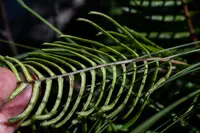
The fronds have a notably firm, almost leathery texture and a glossy upper surface, traits that help reduce water loss and resist damage from wind and salt-laden air in coastal and subantarctic habitats, and that are reflected in the common name glossy hard fern.

Subantarctic island survivor

Wild populations occur on remote subantarctic islands such as the Falkland Islands, where this fern grows in exposed, nutrient-poor peat and grassland communities, tolerating strong winds and low temperatures that limit many other vascular plants.

FAQs about Glossy Hard Fern

Brown tips or fronds usually result from low humidity, underwatering, or accumulated salts from fertilizer. Check soil moisture, increase ambient humidity, flush the pot occasionally, and keep it away from hot drafts or direct heat sources.

Grow Healthy Plants with Botan Care

Keep your plants happy and healthy with plant identification, disease detection, and easy care guidance.

Botan plant care app — identify plants on mobile

Explore More Plants