Epiphytic mounting
Mount the fern on cork bark or a rough hardwood slab using sphagnum and soft ties, which allows the creeping rhizomes to attach naturally and form a dense mat over time.

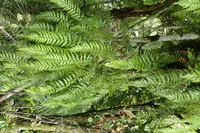
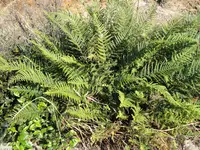
Thread fern, Blechnum filiforme, is an evergreen climbing fern native to New Zealand forests. It often grows on tree trunks, rocks, or as groundcover in humid, shaded areas.
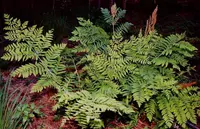
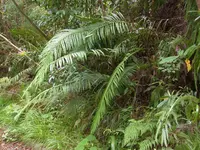
Its fronds are thin, wiry, and trailing, forming dense, intricate mats that can hang or spread horizontally. The plant shifts between juvenile and adult fronds, which can look quite different.
This species prefers consistent moisture, high humidity, and soft, filtered light, which makes it better suited to experienced growers or dedicated indoor fern keepers. Understanding how to care for Thread Fern starts with providing stable, sheltered conditions that mimic its cool, forest habitat.

Care Difficulty
Moderate Care

Light Preference
Partial Shade

Water Requirements
Keep Soil Moist

Temperature Preference
Warm Climate

Hardiness Zone
9–11

Soil Texture
Loamy, Peaty, Organic-rich

Soil pH
Acidic (5.5–6.5)

Soil Drainage
Moist but well-drained

Fertilization
Minimal (feed rarely)
Scan your plant to receive care tips personalized for your specific plant
Available on iOS and Android
This fern favors softly filtered forest-style light rather than direct, open sun.
This species prefers consistently moist, cool soil without long dry periods or waterlogging.
This fern thrives in mild, frost-free, woodland-like conditions.
This fern needs sustained high humidity to grow well indoors or in sheltered outdoor spots.
Blechnum filiforme prefers a moisture-retentive but airy mix that mimics humus-rich forest floor.
This species adapts well to container growing when moisture and support are managed carefully.
Blechnum filiforme benefits from light, consistent feeding during active growth but is sensitive to excess nutrients.
Blechnum filiforme needs only light pruning to keep fronds healthy and tidy.
This fern is often grown attached to supports or in shallow containers, so transplanting is usually infrequent.
Propagation of Blechnum filiforme is possible but slower and less straightforward than with many houseplants.
Blechnum filiforme prefers mild, frost-free winters and benefits from some protection in colder climates.

Plant Health Check
Not sure what's wrong with your plant? Check your plant's health inside the app.
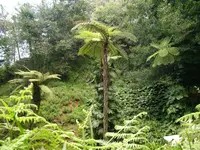
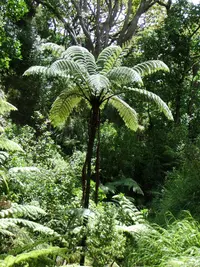
This New Zealand fern starts life as a small ground or epiphytic plant, then produces long, wiry, climbing fronds that can scramble many meters over tree trunks and shrubs in humid forests.
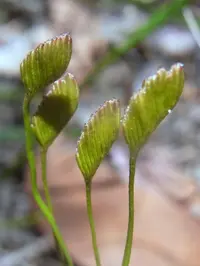
It shows strong frond dimorphism, meaning juvenile and adult leaves look very different, with younger fronds usually narrower and more thread-like and mature fronds broader and more typical of many ferns.
It is naturally restricted to New Zealand, including the North, South, and some offshore islands, where it grows in lowland to montane forests with consistently moist, mild conditions.

This species often forms dense, tangled networks of wiry rhizomes and climbing stems that can completely cloak the bark of host trees, creating a distinctive green layer that provides microhabitats for mosses, liverworts, and small invertebrates in New Zealand forests.
Growth is generally slow to moderate. New fronds extend a few centimeters per month in suitable conditions, with creeping stems gradually forming a mat over several years rather than a single season.
Keep your plants happy and healthy with plant identification, disease detection, and easy care guidance.