Moisture-retentive mulch
Apply a thin 1–2 cm layer of fine orchid bark or leaf mold over the soil surface to keep the rhizomes evenly moist and insulated without smothering them.

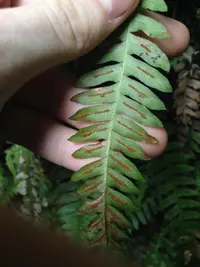
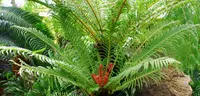
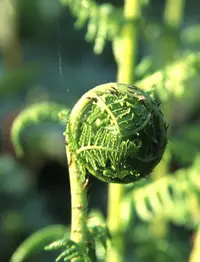
Narrowleaf midsorus fern (Blechnum polypodioides) is a terrestrial fern with slender, upright fronds and a neat, clumping habit. It stays relatively compact, which makes it suitable for containers and shaded landscape spots.
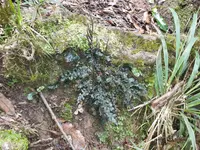
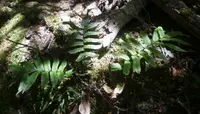
In nature, it is found in humid, sheltered forests, often growing in leaf litter or on well-drained, organic-rich soil. Its fine-textured fronds can be sensitive to drying out and low humidity, which makes it moderately challenging for beginners.
Consistent moisture, filtered light, and stable, cool to mild temperatures support healthy growth. Understanding how to care for narrowleaf midsorus fern starts with mimicking its naturally moist, shaded habitat as closely as possible.

Care Difficulty
Moderate Care

Light Preference
Partial Shade

Water Requirements
Keep Soil Moist

Temperature Preference
Warm Climate

Hardiness Zone
9–11

Soil Texture
Loamy, Peaty, Organic-rich

Soil pH
Strongly acidic (4.5–5.5), Acidic (5.5–6.5)

Soil Drainage
Moist but well-drained

Fertilization
Minimal (feed rarely)
Scan your plant to receive care tips personalized for your specific plant
Available on iOS and Android
This fern prefers soft, filtered light that mimics a forest understory or shaded rock face.
This species needs consistently moist but not waterlogged soil to maintain healthy fronds and rhizomes.
This fern thrives in mild, frost-free conditions with stable, moderate temperatures.
This fern needs consistently moist air to keep fronds lush and prevent browning.
This species prefers a loose, moisture-retentive but free-draining mix rich in organic matter.
This fern is well suited to container growing, especially in shaded patios or sheltered outdoor spots.
Blechnum polypodioides benefits from light, steady feeding during active growth but is sensitive to excess salts.
Pruning Blechnum polypodioides focuses on hygiene and maintaining a neat rosette rather than reshaping the plant.
This fern prefers stable, slightly snug conditions, so repotting or transplanting is infrequent and should be gentle.
Blechnum polypodioides is best propagated by division, while spore propagation is possible but slower and more technical.
In mild climates this fern is relatively cold tolerant, but in harsher winters it benefits from simple protective measures.

Plant Health Check
Not sure what's wrong with your plant? Check your plant's health inside the app.
This fern is native to humid forests of southern South America, especially Chile and Argentina, where it often grows along shaded stream banks and damp forest floors.
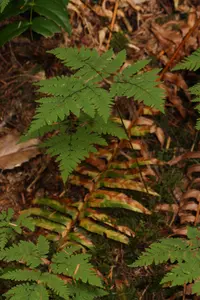
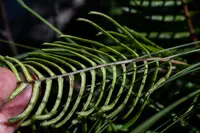
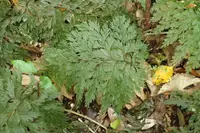
It shows clear frond dimorphism, meaning fertile fronds bearing spores are narrower and more erect than the broader, usually sterile foliage, giving the clump a layered, textural appearance.
Its sori, the spore-producing structures, are arranged in elongated lines near the middle of the underside of the pinnae rather than at the margins, which is a key feature used by botanists to distinguish this species from related ferns.
This species is a true fern, so it never produces flowers or blooms. Instead, it reproduces by spores formed in sori on the undersides of fertile fronds. Lack of flowers is completely normal and not a care issue.
Keep your plants happy and healthy with plant identification, disease detection, and easy care guidance.