Blechnum vulcanicum Care

Blechnum vulcanicum

About Blechnum vulcanicum

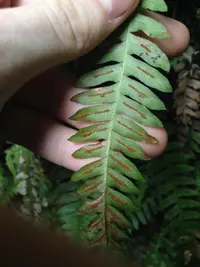
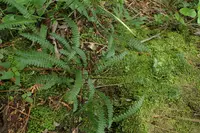
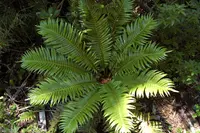
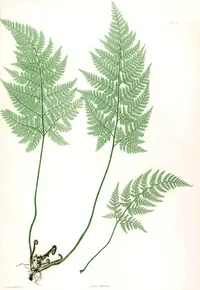
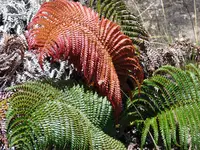
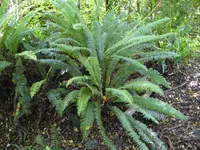
Blechnum vulcanicum is a small to medium terrestrial fern, usually forming dense clumps of upright fronds from a short creeping rhizome. Its fronds are typically narrow, evenly divided, and can show subtle color changes as they mature.

This species is native to montane and volcanic regions of the western Pacific, often growing in moist forests and along mossy slopes. It prefers consistently damp, humus-rich soil and shaded to semi-shaded positions, which influences how to care for Blechnum vulcanicum in cultivation.

Growth can be slow and it dislikes drying out, sudden temperature changes, and low humidity, so it is best suited to growers who can provide stable, moist conditions.

Main Plant Requirements

Care Difficulty

Hard Care

Light Preference

Partial Shade

Water Requirements

Keep Soil Moist

Temperature Preference

Tropical / Frost Sensitive

Hardiness Zone

10–11

Soil Texture

Loamy, Peaty, Organic-rich

Soil pH

Strongly acidic (4.5–5.5), Acidic (5.5–6.5)

Soil Drainage

Moist but well-drained

Fertilization

Minimal (feed rarely)

Get Personalized Care Plan

Scan your plant to receive care tips personalized for your specific plant

Available on iOS and Android

How to Care for the Blechnum vulcanicum

This fern prefers soft, filtered light similar to a forest understory.

  • Provide bright shade or dappled light, such as beneath taller plants or trees, with 1–3 hours of gentle morning sun and no harsh midday or afternoon sun.
  • Tolerates deep shade for part of the day, but growth becomes looser and fronds may lengthen and pale if light stays very low.
  • In hot summers, increase shade or use shade cloth to prevent leaf scorch; in cooler seasons, allow more indirect light for stronger frond development and color, which supports healthy Blechnum vulcanicum growth.

This species prefers consistently moist, never waterlogged, soil.

  • Water when the top 2–3 cm of soil feels barely dry, aiming to keep the root zone evenly damp rather than letting it fully dry out.
  • Use rich, well‑drained soil so excess water can escape; pooling water or a sour smell suggests overwatering and potential root rot.
  • In warmer months, expect to water more often as fronds lose moisture faster; in cooler periods, reduce frequency but avoid complete drying, watching for limp, crisping fronds as a sign of underwatering in Blechnum vulcanicum.

This fern thrives in mild, consistently cool to warm conditions without temperature extremes.

  • Ideal growth occurs at 60–75°F (16–24°C), with steady temperatures helping to maintain firm, lush fronds.
  • Avoid exposure below 45°F (7°C); brief dips may be tolerated, but frost can burn fronds and repeated chills can damage the crown and roots.
  • Handles short periods up to about 85°F (29°C) if shaded and kept evenly moist, but prolonged heat with low humidity stresses the plant, so increase shade and watering attention in hot summers.

This fern needs high, stable humidity to maintain healthy fronds.

  • Aim for 60–80% humidity; use a hygrometer to avoid extended periods below 50%.
  • Dry air leads to crisping tips, brown edges, and slow unfurling fronds in Blechnum vulcanicum.
  • Increase humidity with a nearby humidifier, grouped plants, or a wide pebble tray rather than frequent misting.

Provide loose, moisture-retentive but free-draining soil to support sensitive roots.

  • Use a mix of 50–60% fine pine bark or coco coir, 20–30% compost, and 10–20% perlite for structure and drainage.
  • Aim for slightly acidic soil, around pH 5.5–6.5, which suits most fern species.
  • Ensure the mix stays evenly moist yet never waterlogged by avoiding heavy clay or pure garden soil in containers.
  • Incorporate coarse material like bark chips to improve aeration around the fibrous roots and reduce compaction.

This species adapts well to container growing when moisture and stability are managed carefully.

  • Choose a pot that is wider than it is deep to accommodate the shallow, spreading rhizomes without crowding.
  • Select a heavier container material, such as ceramic, to keep the plant stable as the fronds arch outward.
  • Use a pot with multiple drainage holes and raise it slightly on feet so excess water clears quickly from the base.

This fern benefits from light, steady nutrition rather than heavy feeding.

  • Use a balanced, dilute liquid fertilizer (around 10-10-10) at 1/4–1/2 strength during active growth in spring–summer.
  • Apply every 4–6 weeks, after watering, to avoid root burn and salt buildup.
  • Skip synthetic fertilizer in winter; rely on compost or leaf mold as a light top-dressing if needed.
  • For Blechnum vulcanicum in containers, ensure excess solution drains freely to keep roots aerated.

This species needs only light pruning focused on hygiene and frond renewal.

  • Best time is late winter to early spring, before strong new growth starts.
  • Remove dead, yellowing, or damaged fronds at the base using clean, sharp scissors or pruners.
  • Thin out congested inner fronds to improve air flow and reduce fungal issues.
  • Avoid cutting into the central crown of Blechnum vulcanicum, which can slow recovery and distort growth.

Container-grown plants appreciate careful, infrequent repotting to refresh the root zone.

  • Check for roots circling the pot, pushing through drainage holes, or noticeably slowed growth as signs to move up.
  • Plan to repot every 2–3 years in early spring, just before vigorous new fronds emerge.
  • Shift Blechnum vulcanicum only 1 pot size larger, using a moisture-retentive, airy mix and firming gently around roots.
  • Water thoroughly after repotting and keep in shaded, sheltered conditions for 1–2 weeks to limit transplant shock.

Propagation of this fern is possible but more technical than many common houseplants.

  • Division is the most practical method; divide mature clumps in early spring when new croziers are just emerging.
  • Use a clean knife to separate sections with several healthy fronds and viable rhizome segments.
  • Replant divisions into a fine, consistently moist, humus-rich medium and maintain high humidity with bright shade.
  • Spore sowing is specialized, requiring sterile conditions, constant warmth, and patience for slow germination.

This fern is sensitive to hard frost and benefits from thoughtful winter management in cool climates.

  • In mild regions, keep soil evenly moist but not waterlogged and avoid cold, drying winds.
  • Apply a 3–5 cm mulch of leaf mold or fine bark around the root zone without burying the crown.
  • Move container-grown Blechnum vulcanicum indoors or into a cool, frost-free greenhouse when temperatures near 35°F.
  • Reduce feeding and heavy watering in winter to match slower growth and prevent root issues.

Care Tips

Cool root zone

Use a thick mulch layer of fine bark or leaf mold over the root zone to keep the rhizome cool and evenly moist, which mimics the forest floor conditions this fern prefers.

Shaded water source

Position containers or beds so that irrigation water runs off gently and does not splash soil onto the crown, which reduces the risk of rot and foliar fungal spots on the fronds.

Rotating air movement

Provide gentle, indirect air movement from an oscillating fan for a few hours a day to keep fronds dry after misting and to limit fungal disease while avoiding strong drafts.

Spore-safe grooming

When removing spent fronds, cut them close to the base with clean pruners and leave healthy fertile fronds in place so the plant can continue its natural spore production and energy storage.

Gradual site shifts

If the plant must be moved to a new light or humidity level, shift it over 7–10 days in small steps to prevent shock, which is especially important when growing Blechnum vulcanicum in containers or indoors.

Common Pests and Diseases

Scale insects

This pest attaches firmly to frond stalks and undersides, feeding on sap and causing yellowing, weak growth, and sticky honeydew on the foliage. Symptoms include rough, bump-like shells along the midribs and a decline in new frond production.

Solution

Remove heavily infested fronds and gently scrape or wipe remaining scales with a cotton pad dipped in isopropyl alcohol, taking care not to damage the thin fronds. Maintain higher humidity, good air movement, and repeat alcohol or insecticidal soap spot treatments every 7–10 days until no new scale appears, especially when caring for Blechnum vulcanicum in warm indoor or greenhouse conditions.

Fern aphids

These insects cluster on soft new croziers and young fronds, sucking sap and causing distortion, stunting, and sticky honeydew that can lead to sooty mold. This pest is often introduced from nearby ferns or moist greenhouse environments.

Solution

Rinse plants thoroughly with a gentle but firm stream of water, focusing on the undersides of fronds and emerging growth. If aphids persist, follow up with insecticidal soap or a neem oil spray applied in the early evening, repeating weekly until new growth emerges clean and vigorous.

Rhizoctonia leaf spot

This disease causes dark, irregular spots or patches that may merge, leading to blighted areas on the fronds, particularly in dense, humid plantings. Symptoms include fronds that yellow prematurely and develop a dry, papery texture around the spots.

Solution

Prune and discard affected fronds, avoid overhead watering, and space plants to increase airflow around the crown and fronds. Allow the frond surface to dry between waterings and, in persistent cases, apply a registered fungicide labeled for ferns, treating both upper and lower leaf surfaces according to the product instructions.

Pythium crown rot

This disease begins at the crown where fronds emerge, causing wilt, collapse of young fronds, and brown, mushy tissue at the plant base, often under conditions of saturated, poorly drained media. Symptoms include an overall decline despite apparently moist soil.

Solution

Remove and discard severely affected plants, and for early cases, trim out all soft, discolored crown tissue and repot into fresh, free-draining, sterile medium. Reduce watering frequency, ensure pots have ample drainage, and avoid standing the container in water; in greenhouse or nursery settings, a targeted drench with a fungicide labeled for Pythium may help protect remaining healthy plants.

Interesting Facts

Habitat on volcanic soils

This fern naturally grows on young, nutrient-poor volcanic substrates, showing a strong tolerance to mineral-rich, freshly disturbed ground and ash layers in its native Pacific island habitats.

Dimorphic frond structure

It produces two distinct types of fronds: sterile fronds that are broader and primarily photosynthetic, and narrower fertile fronds bearing sporangia, which house the spores used for reproduction.

Association with cloud forests

Wild populations are often found in cool, humid montane and cloud forest zones, where persistent mist and high atmospheric moisture support its finely divided fronds and spore development.

FAQs about Blechnum vulcanicum

This fern is evergreen in consistently mild, frost-free conditions, holding fronds year-round. In cooler areas, fronds may become damaged or semi-deciduous. Remove old, tired fronds in late winter to keep the crown open and healthy.

Grow Healthy Plants with Botan Care

Keep your plants happy and healthy with plant identification, disease detection, and easy care guidance.

Botan plant care app — identify plants on mobile

Explore More Plants