Dryopteris borreri Care

Dryopteris borreri

About Dryopteris borreri

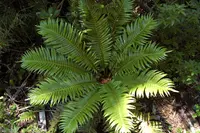
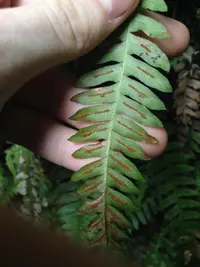
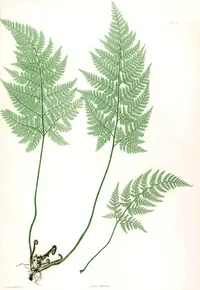
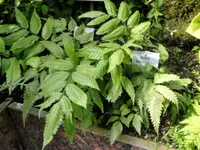
Dryopteris borreri is a hardy, clump-forming fern valued for its upright, shuttlecock-shaped rosettes of fresh green fronds. It is a terrestrial fern, meaning it grows in soil rather than on trees or rocks.

This species occurs naturally in parts of western Europe, often in humid, shaded woodlands and rocky, sheltered slopes. Its fronds are typically divided and elegant, giving a refined but robust look in shaded gardens.

It is considered relatively easy to grow for gardeners who can provide consistent moisture, shade to partial shade, and humus-rich, well-drained soil. Understanding how to care for Dryopteris borreri mainly involves recreating its cool, woodland conditions and avoiding prolonged dryness or hot, direct sun.

Main Plant Requirements

Care Difficulty

Moderate Care

Light Preference

Partial Shade

Water Requirements

Keep Soil Moist

Temperature Preference

Cold Hardy

Hardiness Zone

5–8

Soil Texture

Loamy, Peaty, Organic-rich

Soil pH

Acidic (5.5–6.5), Slightly acidic (6.5–7.0)

Soil Drainage

Moist but well-drained

Fertilization

Minimal (feed rarely)

Get Personalized Care Plan

Scan your plant to receive care tips personalized for your specific plant

Available on iOS and Android

How to Care for the Dryopteris borreri

This hardy woodland fern prefers cool, shaded conditions with only brief weak sun.

  • Provide dappled or filtered light under trees or beside north/east-facing walls; aim for 0–2 hours of gentle morning sun and no direct afternoon sun.
  • Plant Dryopteris borreri where it is shaded during summer midday; fronds scorch and bleach in strong sun, especially with reflected heat from walls or paving.
  • In deep shade, fronds may lengthen and lose density; allow some shifting light or short morning sun periods for stronger growth.

This fern prefers consistently moist, humus-rich soil that never dries out fully.

  • Maintain soil that feels cool and moist 2–5 cm down; water when the surface just begins to lose sheen rather than waiting for it to become dusty dry.
  • During active growth in spring–summer, increase watering in dry spells so the root zone does not dry; reduce slightly in fall–winter but prevent complete drying.
  • Watch for limp, crisping fronds as a sign of underwatering and blackened, collapsing crowns as a sign of waterlogging; improve drainage with organic matter if puddles persist.

This species is a hardy temperate fern suited to cool, moist climates.

  • Optimal growth occurs around 50–70°F (10–21°C), typical of sheltered woodland and shaded garden spots with steady moisture.
  • The plant tolerates winter lows near 5°F (-15°C) once established, with fronds often damaged but crowns surviving under mulch or snow cover.
  • Heat above 80°F (27°C), especially with low humidity, can stress fronds; provide deep shade, mulch, and consistent moisture during hot, dry spells to prevent scorch.

This fern prefers consistently moist air and benefits from elevated humidity.

  • Aim for 50–70% humidity to keep fronds lush and reduce browning tips.
  • Tolerates short dry spells indoors, but prolonged air below 40% leads to crisped edges and curled fronds.
  • Increase humidity with a pebble tray, grouping plants, or a small humidifier placed nearby rather than misting heavily.

Provide loose, moisture-retentive but free-draining soil to support healthy root and frond growth.

  • Use a mix such as 50% peat-free compost, 30% fine bark, and 20% perlite for a humus-rich, airy structure.
  • Ensure drainage is fast enough that water does not sit on the surface longer than a few minutes after watering.
  • Aim for slightly acidic to neutral pH, around 5.5–7.0, which suits Dryopteris borreri roots well.
  • Improve heavy native soil by incorporating leaf mold or composted bark to boost organic matter and prevent compaction.

This species is well suited to growing in containers outdoors in shaded or semi-shaded positions.

  • Choose a pot at least 25–30 cm deep so the fibrous root system can spread without circling tightly.
  • Select a heavier material such as ceramic or clay to keep the container stable as the fronds arch outward.
  • Raise the pot on feet or bricks so drainage holes stay clear and excess water escapes quickly after rain or watering.

This fern grows well in humus-rich soil and benefits from light, balanced feeding in active growth.

  • Use a balanced, diluted liquid fertilizer (around 10-10-10), at 1/4–1/2 strength to avoid root burn.
  • Feed Dryopteris borreri every 4–6 weeks in spring and summer only, when new fronds are emerging.
  • Prefer organic options such as compost or well-rotted leaf mold worked into the topsoil.
  • Stop feeding in fall and winter, when growth slows or dormancy begins.

Pruning focuses on hygiene and maintaining a neat rosette rather than reshaping this fern.

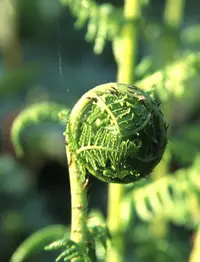
  • Best time is late winter or early spring, before new croziers unfurl.
  • Remove dead, yellowing, or diseased fronds at the base with clean, sharp pruners or scissors.
  • Thin out badly crowded or broken fronds to improve airflow and reduce fungal problems.
  • Avoid cutting healthy green fronds; this reduces photosynthesis and weakens overall growth.

This fern is usually grown in the ground, with transplanting done only when crowding or decline appears.

  • Look for signs like slow growth, congested crowns, or roots circling in the pot if container-grown.
  • Transplant or repot in early spring or early fall, when temperatures are mild and soil is moist.
  • Typically move or divide clumps every 3–5 years to refresh soil and manage size.
  • Lift with a wide root ball, keep roots shaded and moist, then replant at the same depth and water thoroughly.

Propagation is most practical by division, with spore raising reserved for advanced growers.

  • Divide established clumps in early spring or early fall, when soil is cool and moist.
  • Lift the plant carefully and split the crown into sections, each with healthy fronds and firm rhizome.
  • Replant divisions immediately into humus-rich, shady beds or pots, keeping soil evenly moist.
  • Spore propagation needs sterile medium, high humidity, and patience, so suits experienced fern growers.

This fern is generally hardy in temperate climates and needs only modest winter care in the ground.

  • Tolerates light to moderate frost once established, especially in sheltered, shaded sites.
  • Apply a 5–8 cm layer of leaf mold or compost mulch around the crown after the first hard frost.
  • In very cold regions, grow Dryopteris borreri in containers and move to a cool, frost-free, bright shelter.

Care Tips

Staggered clump planting

Plant several young ferns 20–30 cm apart in a loose triangle rather than a straight line to create a natural-looking, wind-resistant colony that shades its own roots and suppresses weeds over time.


Cool root mulching

Apply a 3–5 cm layer of fine bark or leaf mold around, but not touching, the crowns to keep roots cool, reduce moisture swings, and buffer the plant from brief dry spells.

Frond base hygiene

In late winter, cut away old, collapsed fronds cleanly at the base and remove debris from the crown area to reduce slug and fungal shelter before new growth starts.

Slug and snail barriers

In damp, slug-prone gardens, ring the clump with rough mineral grit or place beer traps just outside the drip line to protect emerging croziers from being eaten.

Gentle division timing

If division is needed, lift and split mature plants only just as new croziers begin to show, then replant sections immediately at the same depth to minimize stress when growing Dryopteris borreri.

Common Pests and Diseases

Soft scale

This pest feeds on frond stems and midribs, causing yellowing, sticky honeydew, and sooty mold on Dryopteris borreri in shaded, sheltered sites.

Solution

Gently wipe fronds and stipes with a soft cloth dipped in diluted insecticidal soap, then repeat weekly until new growth is clean; for outdoor clumps, prune heavily infested fronds and encourage better air movement and light levels while avoiding direct afternoon sun.

Vine weevil

This pest affects hardy ferns by adult beetles notching frond edges while the white larvae feed on roots and crowns, leading to wilting and sudden collapse in containers and raised beds.

Solution

Inspect pots regularly, hand-pick adult beetles at night, and use entomopathogenic nematodes labeled for vine weevil in late summer and early autumn to target soil-dwelling larvae; repot badly affected container plants into fresh, free-draining mix and destroy heavily infested root systems.

Fern aphids

These insects cluster on young croziers and tender frond tissue, sucking sap and distorting the new growth while also leaving sticky honeydew that attracts sooty mold.

Solution

Rinse colonies off with a firm but gentle stream of water, then follow with a ready-to-use insecticidal soap or horticultural oil directed at the undersides of fronds; repeat at 5–7 day intervals until no new aphids appear and monitor closely during spring unfurling.

Botrytis blight

This disease appears in cool, damp conditions as brown, water-soaked spots on fronds that develop a gray fuzzy mold, especially on old or damaged foliage in dense clumps.

Solution

Remove and discard all infected fronds and debris, increase air circulation around the crown, and avoid wetting the foliage when watering; in persistently damp, crowded sites, thin or divide plants and consider a labeled fungicide spot treatment if new lesions continue to appear.

Crown and rhizome rot

This disease affects outdoor clumps grown in poorly drained, waterlogged soil, causing browning and softening of the central crown and stunted or failing frond emergence.

Solution

Lift affected plants, trim away all soft, dark tissue, and replant only firm, healthy rhizome sections into humus-rich but sharply draining soil; improve drainage with raised beds or amended soil, and avoid overwatering, especially during cool weather, as part of long-term Dryopteris borreri care instructions.

Interesting Facts

British hybrid origin

This fern is now widely treated as a stabilized hybrid between Dryopteris affinis and D. oreades, recognized as a distinct species that likely arose and spread in the British Isles before being recorded elsewhere in Europe.

Distinctive vascular pattern

Microscopic study shows that its vascular bundles and scales differ subtly but consistently from related Dryopteris taxa, which helps specialists separate it from similar golden-scaled male ferns in herbarium material.

Subtle morphological identity

It is separated from close relatives by a specific combination of traits, including details of pinnule shape, sori position, and scale color, so correct identification usually requires careful comparison by a fern specialist.

FAQs about Dryopteris borreri

This fern is semi-evergreen to evergreen in mild climates, often keeping much of its foliage through winter. In colder areas fronds may die back after hard frosts, then reemerge strongly from the crown in spring.

Grow Healthy Plants with Botan Care

Keep your plants happy and healthy with plant identification, disease detection, and easy care guidance.

Botan plant care app — identify plants on mobile

Explore More Plants