hairy pagoda-plant Care (Blephilia hirsuta)

Also known as: Hairy Wood Mint
hairy pagoda-plant

About hairy pagoda-plant

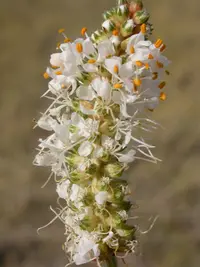
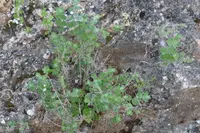
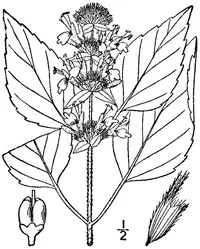
Hairy pagoda-plant, Blephilia hirsuta, is a perennial herb in the mint family native to eastern and central North America. It typically grows in clumps with square stems and whorled, pale violet flowers stacked in pagoda-like tiers. Leaves are softly hairy, aromatic when crushed, and give the plant a slightly fuzzy appearance. In nature it occurs in open woodlands, prairies, and moist, partly shaded slopes. This species is generally easy to grow if provided with consistent moisture, well-drained soil, and light shade to filtered sun. Once its needs are understood, it is straightforward to care for hairy pagoda-plant in garden or naturalized settings.

Main Plant Requirements

Care Difficulty

Easy Care

Light Preference

Partial Shade

Water Requirements

Regular Water

Temperature Preference

Cold Hardy

Hardiness Zone

4–8

Soil Texture

Loamy, Silty, Organic-rich

Soil pH

Acidic (5.5–6.5), Slightly acidic (6.5–7.0)

Soil Drainage

Moist but well-drained

Fertilization

Minimal (feed rarely)

Get Personalized Care Plan

Scan your plant to receive care tips personalized for your specific plant

Available on iOS and Android

How to Care for the hairy pagoda-plant

Blephilia hirsuta prefers bright, indirect light in its native woodland-edge habitats.

  • Provide 3–6 hours of dappled or filtered sun daily, ideally with morning sun and afternoon shade to mimic open woodland conditions.
  • Plant in partial shade; strong midday or late-afternoon sun can scorch leaves, especially in dry or exposed sites.
  • In summer, ensure some shade during the hottest hours; in early spring and fall, slightly more direct sun is beneficial for compact, upright growth.

Blephilia hirsuta grows best in consistently moist but not waterlogged soil.

  • Water when the top 2–4 cm of soil feels slightly dry, aiming for evenly moist conditions during active growth in spring and early summer.
  • Use soil with good drainage; prolonged standing water causes root rot, yellowing leaves, and weak, flopping stems.
  • In late summer and fall, allow the surface to dry a bit more between waterings; wilting or dull, drooping foliage signals that the plant needs moisture.

This hardy perennial tolerates a wide temperature range typical of temperate climates.

  • Optimal growth occurs around 65–80°F (18–27°C) during the growing season, with steady warmth supporting strong stems and flowering.
  • The plant survives winter cold down to about -20°F (-29°C) when established in the ground, dying back to the roots and resprouting in spring.
  • Short heatwaves up to 90–95°F (32–35°C) are tolerated if soil moisture is maintained, but prolonged extreme heat with drought can stress and stunt growth.

Humidity plays a minor role for this hardy woodland mint relative.

Blephilia hirsuta prefers moist, well-drained, humus-rich ground that mimics open woodland conditions.

  • Use a loamy, organic-rich mix, such as garden loam blended with leaf mold or compost, to support steady moisture and nutrient availability.
  • Ensure drainage is moderate to fast; avoid compacted or clay-heavy sites that stay saturated after rain, which promote root rot.
  • Aim for slightly acidic to neutral pH around 6.0–7.0, amending very alkaline soils with compost or peat-free soil conditioner.
  • Improve aeration and drainage by incorporating coarse sand or fine gravel into heavy soils while maintaining enough organic matter to retain moisture.

This species can be grown in containers outdoors if moisture and stability are managed carefully.

  • Choose a deep, relatively heavy pot so the mature clump and tall stems stay stable in wind and are less likely to tip.
  • Use a moisture-retentive but free-draining mix and water thoroughly until excess drains quickly, preventing waterlogging in the root zone.
  • Group the container with other perennials to shade the pot sides, which reduces overheating and slows moisture loss during hot weather.

Blephilia hirsuta thrives in reasonably fertile soil and usually needs only light feeding in cultivation.

  • Use a balanced, low-strength liquid fertilizer (such as 10-10-10 or 5-5-5) diluted to 1/2–1/4 strength for container plants.
  • Feed every 4–6 weeks during the active growing season in spring and early summer only.
  • In garden beds, a thin topdressing of compost in spring is usually sufficient nutrition.
  • Stop feeding in late summer and avoid fertilizing in winter dormancy to prevent weak, frost-tender growth.

Pruning Blephilia hirsuta is mainly done to keep clumps tidy and support healthy flowering.

  • Cut back spent flower stems in late summer to early fall to neaten appearance and reduce self-seeding.
  • Remove dead, diseased, or storm-damaged stems whenever noticed, using clean, sharp hand pruners or scissors.
  • Thin the oldest, most crowded stems at the base in early spring to encourage vigorous new shoots.
  • Light shaping cuts help maintain a compact, upright form without significantly reducing bloom.

This species is most often grown in the ground, so focus on transplanting young Blephilia hirsuta plants rather than frequent repotting.

  • Transplant in early spring or early fall when temperatures are mild and soil is evenly moist.
  • Move plants if growth slows, clumps become congested, or roots circle inside a nursery pot.
  • Lift the clump carefully, keep as much root ball and surrounding soil intact as possible, and replant at the same depth.
  • Water thoroughly after transplanting, then keep soil slightly moist for several weeks to reduce root stress and support re-establishment.

Blephilia hirsuta is commonly propagated by division or seeds to expand native plantings.

  • Divide mature clumps in early spring or early fall, replanting sections with several shoots and healthy roots.
  • Sow fresh seed in fall outdoors or use cold stratification, a pre-chilling period, to improve spring germination.
  • Provide bright light, consistent moisture, and well-drained soil for both divisions and seedlings.
  • Label new plantings clearly and space adequately to allow upright, non-crowded growth as clumps mature.

This species is a cold-hardy perennial that usually needs minimal winter care in typical garden conditions.

  • After frost blackens the tops, allow stems to die back naturally or cut them to a few cm above soil level.
  • Apply a 5–7 cm layer of leaf mulch around the root zone in late fall, especially in exposed or windy sites.
  • Container plants benefit from moving to a sheltered, unheated but frost-free area, with soil kept only slightly moist.

Care Tips

Early-season mulching

Apply a 3–5 cm layer of shredded leaf mulch or fine bark around the clump in spring to keep roots cool, suppress weeds, and stabilize soil moisture without covering the crown.

Self-seeding management

If you want controlled colonies, remove most spent flower spikes before seed set and leave only a few in selected spots to direct where new plants establish.

Companion planting buffer

Plant it among other sturdy, moisture-tolerant natives such as asters or monardas to create a dense matrix that shades out weeds and supports pollinators through the season.

Divide older clumps

Every 3–4 years, lift and divide crowded clumps in early spring or early fall, replanting vigorous outer sections at the same depth to keep stands healthy and floriferous.

Monitor for competition

In partial woodland plantings, periodically thin aggressive neighbors like spreading grasses or large hostas so the hairy pagoda-plant maintains good air flow and access to light while you are caring for hairy pagoda-plant over time.

Common Pests and Diseases

Leaf-chewing caterpillars

This pest commonly feeds on foliage of mint-family prairie plants, leaving irregular holes and ragged leaf edges on hairy pagoda-plant. Symptoms include damaged leaves while stems and roots remain mostly unharmed.

Solution

Hand-pick caterpillars when noticed and remove heavily chewed leaves to reduce further feeding. Encourage or protect natural predators such as birds, and if damage is severe, use a targeted biological control like Bacillus thuringiensis (Bt) sprayed in the evening following label directions.

Spider mites

These insects thrive on hairy, aromatic foliage during hot, dry weather, causing pale speckling, fine webbing, and overall leaf dullness. Symptoms include stressed, off-color foliage that may drop early if infestation is heavy.

Solution

Rinse stems and leaf undersides with a firm stream of water every few days to dislodge mites and reduce populations. Increase humidity around plants, improve air movement, and if needed apply an insecticidal soap or horticultural oil, making sure to coat the undersides of leaves and to repeat as directed.

Powdery mildew

This disease appears as white, powdery patches on upper leaf surfaces, especially in dense stands or shaded, humid sites. Symptoms include distorted growth and premature leaf yellowing or browning late in the season.

Solution

Thin or divide crowded clumps to improve airflow and avoid frequent overhead watering, especially late in the day. Remove and dispose of heavily infected leaves and late-season plant debris, and in recurring cases consider a labeled fungicide applied at the first sign of powdery growth as part of broader Blephilia hirsuta care.

Rust

This disease produces small, orange-brown pustules on leaf undersides, with corresponding yellow spots on the upper surface. Symptoms include gradual leaf decline and early leaf drop, especially in moist, poorly ventilated plantings.

Solution

Promptly remove and discard affected leaves and end-of-season stems to reduce fungal spores for the next year. Improve spacing and airflow, water at soil level rather than over foliage, and in severe, repeated cases use a labeled rust fungicide early in the season when the first spots appear.

Interesting Facts

Specialist bee resource

This species is an important pollen and nectar source for several native solitary bees that specialize on mint-family plants, supporting pollinator diversity in rich eastern North American woodlands.

Moist woodland indicator

It typically occurs in mesic, calcium-rich deciduous forests and along shaded stream terraces, so its presence often indicates relatively undisturbed, fertile woodland habitat.

Stacked pagoda blooms

The inflorescences form in distinct, stacked tiers of flower clusters along the stem, which inspired the common name hairy pagoda-plant and creates a characteristic pagoda-like profile in bloom.

Botan icon

Did you know?

Genetic and morphological studies show that this species is narrowly endemic to eastern and parts of central North America, with scattered, often localized populations that can decline quickly when mature hardwood forests are cleared or heavily disturbed.

FAQs about hairy pagoda-plant

The flowers are rich in nectar and strongly attract native bees, small wasps, and various butterflies. Planting several clumps together creates a reliable pollinator resource and supports beneficial insects in woodland gardens, meadows, and naturalized plantings.

Grow Healthy Plants with Botan Care

Keep your plants happy and healthy with plant identification, disease detection, and easy care guidance.

Botan plant care app — identify plants on mobile

Explore More Plants