Early-season pinching
Pinch out the soft tips of young shoots once they reach 10–15 cm to encourage a bushier plant with more harvestable foliage and a sturdier framework.

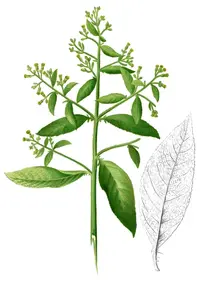
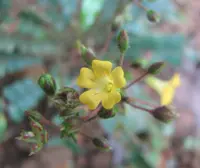
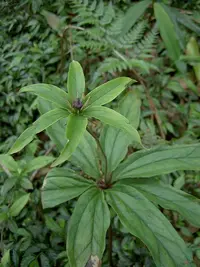
Ngai camphor (Blumea balsamifera) is a fast-growing aromatic shrub in the Asteraceae family, often reaching small-tree size in warm climates. It carries soft, felted leaves with a strong camphor-like scent when crushed.
This species is native to Southeast Asia and commonly grows in open fields, roadsides, and disturbed habitats in tropical and subtropical regions. It is widely used in traditional practices and as a fragrant garden shrub.
Blumea balsamifera tolerates heat, sun, and poor soils, which makes it relatively easy to establish in suitable climates. Gardeners who care for ngai camphor should note that it prefers well-drained soil and consistent moisture, but dislikes prolonged waterlogging.

Care Difficulty
Moderate Care

Light Preference
Full Sun

Water Requirements
Moderate Water

Temperature Preference
Tropical / Frost Sensitive

Hardiness Zone
10–12

Soil Texture
Sandy, Loamy, Organic-rich

Soil pH
Acidic (5.5–6.5), Slightly acidic (6.5–7.0)

Soil Drainage
Moist but well-drained

Fertilization
Minimal (feed rarely)
Scan your plant to receive care tips personalized for your specific plant
Available on iOS and Android
Blumea balsamifera prefers bright outdoor conditions with gentle, non-scorching sun for strongest growth.
Blumea balsamifera grows best in evenly moist but not waterlogged soil.
Stable warm conditions are important for consistent growth and leaf quality.
This species prefers moderately humid air but usually copes with typical household levels.
This shrub grows best in loose, well-drained, moderately fertile soil with steady moisture.
This species can be grown successfully in containers outdoors in warm climates.
This aromatic shrub benefits from light feeding but overfertilization easily causes soft, weak growth in ngai camphor.
Pruning helps keep Blumea balsamifera compact, productive, and easier to harvest.
This species is usually grown in the ground, so management focuses more on transplanting than on frequent repotting.
New plants are commonly raised from both seeds and cuttings for small-scale Blumea balsamifera plant care.
This tropical shrub is not frost hardy and needs dedicated winter management in cooler climates.

Plant Health Check
Not sure what's wrong with your plant? Check your plant's health inside the app.
The foliage releases a very strong camphor-like scent when crushed due to its high content of volatile terpenoids such as borneol and camphor-related compounds.
This shrub often colonizes open, disturbed sites such as landslides, burned areas, and road edges in Southeast Asia, acting as an early successional or pioneer species in secondary vegetation.
In several Southeast Asian cultures, dried leaves have been historically burned to produce aromatic smoke used to repel insects and for ritual fumigation of living spaces and clothing.

Leaves of this species are naturally coated with dense hairs and oil glands that reduce water loss and help protect the plant against herbivores and intense tropical sun, allowing it to thrive in exposed and seasonally dry habitats.
This species is a short-lived evergreen shrub or subshrub in frost-free climates, keeping foliage year-round. In cooler areas it may behave semi-evergreen, shedding older leaves or dying back partially when exposed to low temperatures or light frost.
Keep your plants happy and healthy with plant identification, disease detection, and easy care guidance.