Gradual hardening outdoors
If moving container plants outside for summer, increase sun and wind exposure over 7–10 days to prevent bark scorch and sudden leaf drop.

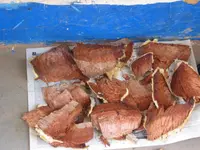
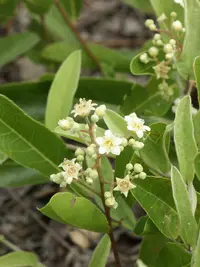
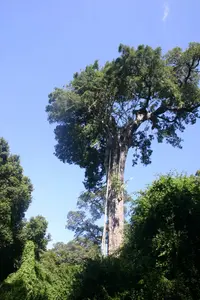
Boswellia dalzielii is a small to medium-sized deciduous tree from the frankincense group, known for its aromatic resin and pale, peeling bark. It typically forms an open, spreading crown with compound leaves clustered near the branch tips.
This species is native to dry woodlands and rocky hillsides in West Africa, where it experiences pronounced dry seasons. In cultivation, it prefers bright light, very well-drained, mineral-rich soil, and sparse watering, especially during rest periods.
Because it is adapted to arid, nutrient-poor sites, it can be challenging for beginners who tend to overwater, but experienced growers can learn how to care for Boswellia dalzielii successfully.

Care Difficulty
Moderate Care

Light Preference
Full Sun

Water Requirements
Low Water

Temperature Preference
Tropical / Frost Sensitive

Hardiness Zone
Unknown

Soil Texture
Sandy, Loamy, Rocky

Soil pH
Slightly acidic (6.5–7.0), Neutral (7.0)

Soil Drainage
Well-drained

Fertilization
Minimal (feed rarely)
Scan your plant to receive care tips personalized for your specific plant
Available on iOS and Android
This drought-adapted tree prefers strong sun but benefits from some protection in very hot climates.
This species is highly drought tolerant and needs sparse, carefully timed watering once established.
This tree thrives in warm, arid conditions and is sensitive to cold, especially prolonged damp chill.
This species prefers dry, airy conditions and usually does not need extra humidity in homes.
Boswellia dalzielii needs very fast-draining, mineral-heavy soil to prevent root rot.
This species adapts well to container growing when planted in a stable, fast-draining setup.
This dryland tree needs only modest feeding in cultivation, especially in lean, gritty soil mixes.
Light, targeted pruning keeps this frankincense tree healthy and structurally sound in cultivation.
This species is usually grown in the ground, but young container plants or nursery stock can be transplanted carefully.
Propagation of this tree is possible but slow and technically demanding for most home growers.
In warm climates this species needs minimal winter care, but container plants in cooler regions require specific protection.

Plant Health Check
Not sure what's wrong with your plant? Check your plant's health inside the app.
This species is native to dry woodlands of the Sudano-Sahel zone of West Africa, where it grows on rocky, shallow soils that many other trees cannot tolerate.
When the bark is wounded, the tree exudes an aromatic oleo-gum resin similar to frankincense, which hardens on exposure to air and has a long history of local use in West African communities.
Analyses of its resin have shown a characteristic profile of triterpenoids, including boswellic acids, that differs from Arabian and Indian frankincense species and helps chemists distinguish it by origin.

In parts of West Africa, this tree often becomes a prominent component of traditional agroforestry parklands, where farmers deliberately spare it during land clearing so its open crown and deep roots can provide light shade and structural diversity without strongly competing with annual crops.
Yes, this species can be raised from fresh, viable seed, but germination is slow and irregular. Warm conditions, very free-draining sandy substrate, and bottom heat improve success. Seedlings must be kept dryer than typical nursery stock to prevent rot.
Keep your plants happy and healthy with plant identification, disease detection, and easy care guidance.