Spore-safety marking
Flag or discreetly mark the exact spots where fronds emerge in spring so you avoid disturbing the tiny crowns and underground structures during weeding, mulching, or foot traffic when caring for northern moonwort.

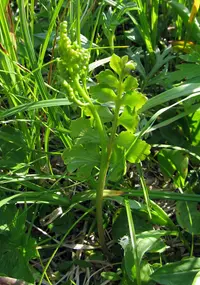
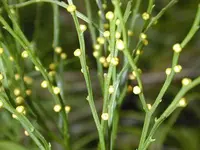
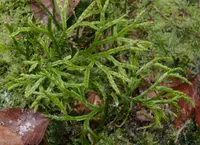
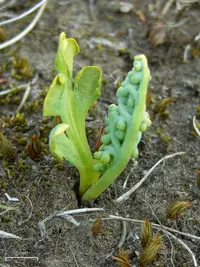
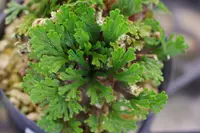
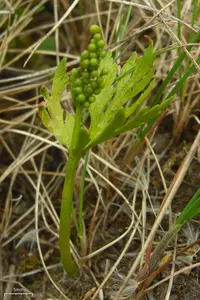
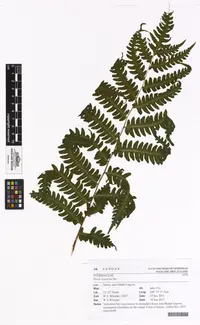
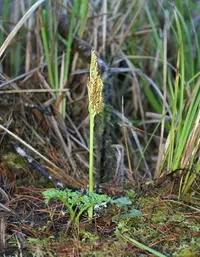
Northern moonwort, Botrychium boreale, is a small, primitive fern ally from the moonwort group. It produces a single, delicate frond that splits into a sterile leafy portion and a fertile, spore-bearing spike. The plant often grows in open, cool habitats such as subalpine meadows, tundra, and light grasslands, usually in undisturbed, low-nutrient soils. Its tiny size and habit of appearing in scattered, low-density colonies make it easy to overlook and somewhat challenging to cultivate. Gardeners who care for northern moonwort should aim to mimic its natural, cool, moist, but well-drained conditions and avoid heavy disturbance around its roots.

Care Difficulty
Hard Care

Light Preference
Partial Shade

Water Requirements
Regular Water

Temperature Preference
Cold Hardy

Hardiness Zone
2–7

Soil Texture
Loamy, Silty, Organic-rich

Soil pH
Acidic (5.5–6.5), Slightly acidic (6.5–7.0)

Soil Drainage
Moist but well-drained

Fertilization
Minimal (feed rarely)
Scan your plant to receive care tips personalized for your specific plant
Available on iOS and Android
This small fern favors cool, open habitats with gentle, indirect light rather than strong sun.
This species prefers consistently moist but not saturated soil in its natural habitats.
This fern is adapted to cool, temperate climates and tolerates considerable cold.
This fern prefers cool, moist air and suffers in very dry rooms.
This species needs consistently moist, airy soil that mimics cool woodland conditions.
This species is difficult but possible to grow in containers for specialized collections.
Botrychium boreale is adapted to low-nutrient habitats and usually needs no fertilizer in gardens or containers.
Botrychium boreale needs almost no pruning, as each frond is short-lived and replaced naturally.
This fern is rarely container-grown; focus on gentle transplanting of established clumps when necessary.
Propagation of Botrychium boreale is specialized and rarely attempted by home growers, as it relies on spores and fungal partners.
This species is very cold hardy and generally needs no special winter care in temperate climates.

Plant Health Check
Not sure what's wrong with your plant? Check your plant's health inside the app.
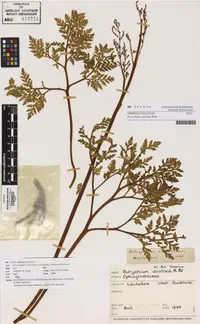
This species produces a single frond that is clearly divided into a lower, leafy sterile part and an upper, much more branched fertile part that carries the sporangia, a structure typical of moonworts but with a particularly distinct separation in this species.
Northern moonwort is strongly associated with cool climates and calcareous or base-rich substrates, and in the wild it is often found in moist tundra, boreal meadows, and open heaths where soil pH is higher than in surrounding habitats.
Like other moonworts, this fern forms close associations with arbuscular mycorrhizal fungi in its roots, and its early underground development is believed to depend heavily on these fungi for nutrition rather than on photosynthesis alone.

In several parts of its range, especially in Europe, northern moonwort is considered rare and is included on regional Red Lists, largely because its small, short-lived above-ground frond makes populations easy to overlook and vulnerable to habitat disturbance such as changes in traditional grazing or mowing.
This fern is naturally slow-growing. Sporelings can take several years to appear and may need 5–10 years to reach a noticeable, stable size, even in ideal conditions with undisturbed soil and consistent moisture.
Keep your plants happy and healthy with plant identification, disease detection, and easy care guidance.