Spore bank protection
Flag known colonies and avoid disturbing the soil within a 0.5–1 m radius, since this fern relies on an underground spore bank and soil disturbance can wipe out future generations.

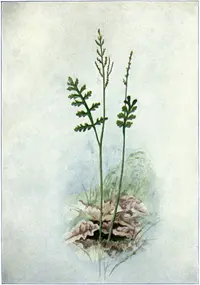
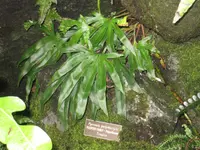
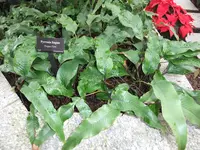
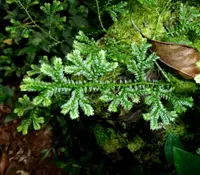
Matricary grapefern (Botrychium matricariifolium) is a small, delicate fern in the moonwort group, not a flowering plant. It produces a single divided sterile frond and a separate, more upright fertile frond that carries the spores. The foliage often has a fine, chamomile-like texture and appears in subdued green tones.
This species naturally occurs in parts of eastern North America, usually in light woodland openings, old fields, and other undisturbed, low-competition sites. It is considered challenging to cultivate because it often relies on specific soil fungi (mycorrhizae) and stable, cool, moist conditions. Gardeners who want to care for matricary grapefern typically need humus-rich, consistently moist, lightly shaded sites with minimal disturbance.

Care Difficulty
Hard Care

Light Preference
Partial Shade

Water Requirements
Keep Soil Moist

Temperature Preference
Cold Hardy

Hardiness Zone
3–7

Soil Texture
Loamy, Silty, Organic-rich

Soil pH
Acidic (5.5–6.5), Slightly acidic (6.5–7.0)

Soil Drainage
Moist but well-drained

Fertilization
Minimal (feed rarely)
Scan your plant to receive care tips personalized for your specific plant
Available on iOS and Android
This woodland fern prefers cool, shaded sites that mimic a deciduous forest floor.
This species prefers consistently moist, cool soil without standing water.
This hardy fern is adapted to cool-temperate forests with distinct seasonal changes.
This fern favors moderately moist air similar to a cool woodland floor.
This species prefers loose, humus-rich forest-type soil that stays evenly moist but not waterlogged.
This fern is possible but somewhat challenging to maintain long term in containers.
This woodland fern relies on nutrient-poor, undisturbed soils and generally should not be fertilized.
Pruning needs for Botrychium matricariifolium are minimal and focus on sanitation rather than shaping.
This species is best kept in stable, undisturbed ground, with transplanting done only when truly necessary.
Propagation of Botrychium matricariifolium is challenging and usually left to specialist growers or conservation programs.
This hardy fern usually overwinteres outdoors without special care in its native range, as fronds die back naturally.

Plant Health Check
Not sure what's wrong with your plant? Check your plant's health inside the app.
This species produces a single frond that is divided into a leafy sterile segment and an upright fertile segment bearing the sporangia, giving it a distinctly two-part appearance compared with many other small ferns.
Matricary grapefern is typically found in relatively undisturbed, mature forests and woodland openings, and its presence can indicate long-term habitat continuity rather than recently disturbed ground.
For much of its life this fern exists mostly below ground with a fleshy rootstock and relies heavily on mycorrhizal fungi for nutrition, often remaining dormant above ground in unfavorable years.

Matricary grapefern is considered rare or of conservation concern in several parts of its North American range, and changes in forest structure, such as canopy thinning and soil disturbance, can cause local populations to disappear.
This species spreads slowly by underground structures and spores and is not considered aggressive. It usually forms small, scattered colonies rather than dense carpets, so it rarely becomes a problem in managed gardens or naturalistic plantings.
Keep your plants happy and healthy with plant identification, disease detection, and easy care guidance.