Tongue-fern Care (Pyrrosia adnascens)

Also known as: Close-growing Pyrrosia
Tongue-fern

About Tongue-fern

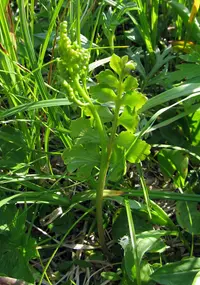
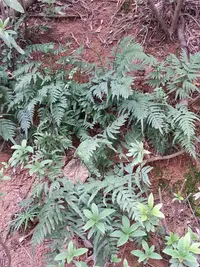
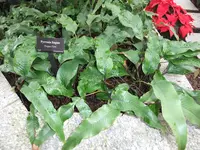
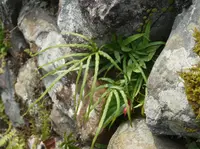
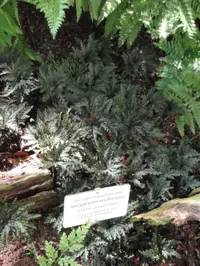
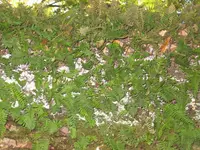
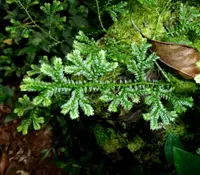
Pyrrosia adnascens, commonly called tongue-fern, is an epiphytic fern that often grows on tree trunks or rocks. It forms neat clumps of narrow, tongue-shaped fronds with a slightly leathery texture.

In the wild, it is found in parts of Asia, usually in warm, humid forests with good air movement. Its slow, compact growth and tough foliage make it relatively resilient compared with many delicate ferns.

This species prefers bright, filtered light, consistent moisture, and a loose, well-drained, bark-rich substrate. Once these basics are understood, it is straightforward to care for Tongue-fern indoors.

Main Plant Requirements

Care Difficulty

Moderate Care

Light Preference

Partial Shade

Water Requirements

Moderate Water

Temperature Preference

Warm Climate

Hardiness Zone

10–11

Soil Texture

Loamy, Rocky, Organic-rich

Soil pH

Acidic (5.5–6.5)

Soil Drainage

Moist but well-drained

Fertilization

Minimal (feed rarely)

Get Personalized Care Plan

Scan your plant to receive care tips personalized for your specific plant

Available on iOS and Android

How to Care for the Tongue-fern

This epiphytic fern prefers soft, filtered light that mimics bright forest shade.

  • Provide bright, indirect light or dappled shade, such as 2–4 hours of gentle morning sun with protection from harsh midday and afternoon sun.
  • Outdoors, grow Tongue-fern under high tree canopies or on shaded walls where it receives broken light; indoors, place near an east or bright north window with sheer curtains.
  • If fronds bleach, curl, or develop dry brown patches, light is too intense; if new growth is sparse and fronds stretch or darken, light is too low.

Pyrrosia adnascens prefers consistent, moderate moisture without staying soggy.

  • Water when the top 2–3 cm of the mounting medium or soil feels dry, then moisten thoroughly, allowing excess water to drain away fully.
  • In spring and summer, you may water more often as warmth and active growth increase drying; in fall and winter, extend the interval as growth and evaporation slow.
  • Signs of overwatering include limp fronds, blackened rhizomes, and sour smell; crisp, curling frond tips and shrinking rhizomes suggest underwatering or very fast drying.

This fern thrives in mild, frost-free conditions that resemble sheltered woodland or subtropical climates.

  • Ideal growth occurs at 60–80°F (16–27°C), with steady temperatures and good air movement but no cold drafts.
  • It tolerates short dips to about 40°F (4–5°C) if kept dry overhead, but repeated exposure near this level slows growth and can damage fronds.
  • Avoid frost and hard freezes below 32°F (0°C), which can kill foliage; in hot spells above 90°F (32°C), increase shade and humidity while preventing stagnant, overheated air.

This species prefers moderate to high humidity and reacts if air is too dry.

  • Aim for 50–70% humidity to keep fronds firm and prevent brown tips.
  • It tolerates brief dips to 35–40%, but prolonged dry air causes crisping edges and dull, shedding scales.
  • Increase humidity with a pebble tray, grouping plants, or a small humidifier rather than frequent misting, which can promote fungal spotting.

This epiphytic fern prefers a loose, airy medium that drains quickly but retains some moisture.

  • Use a mix such as 40% fine orchid bark, 30% peat or coco coir, and 30% perlite or pumice to mimic epiphytic conditions.
  • Keep structure chunky and fibrous so rhizomes sit among particles, not buried in compacted material.
  • Target slightly acidic to neutral pH around 5.5–7.0, which suits Pyrrosia adnascens root function and nutrient uptake.
  • Avoid heavy, clay-based, or waterlogged mixes that suffocate roots and encourage rot; add extra bark or perlite if the mix stays wet longer than 3 days.

This fern grows very well in containers, including shallow or mounted arrangements.

  • Choose a wide, shallow pot that lets rhizomes spread horizontally rather than a deep, narrow container.
  • Select a breathable clay or unglazed pot if the mix stays wet too long, or plastic if it dries very quickly in heated homes.
  • Elevate the container or use pot feet so drainage holes stay clear and excess water leaves the mix within minutes after watering.

This epiphytic fern has modest nutrient needs but responds to light, consistent feeding in active growth.

  • Use a balanced liquid fertilizer (e.g., 10-10-10) at 1/4–1/2 strength every 4–6 weeks in spring and summer.
  • Apply to already-moist substrate or mount to avoid root and rhizome burn.
  • Skip or greatly reduce feeding in fall and winter when growth slows.
  • Organic options like very dilute compost extract or fish emulsion suit Tongue-fern grown on mounts or in loose mixes.

Pyrrosia adnascens benefits from light, maintenance-focused pruning rather than structural reshaping.

  • Best timing is late winter to early spring, before strong new growth starts.
  • Use clean, sharp scissors or snips to remove dead, diseased, or yellowing fronds at the base.
  • Thin crowded or shading fronds to improve air movement and light penetration around the plant.
  • Limit cuts to older fronds so the natural arching form remains intact and new growth is encouraged.

This fern grows slowly and prefers stable conditions, so repotting or remounting is infrequent.

  • Repot or remount every 3–4 years, or when roots circle the pot, growth stalls, or medium breaks down.
  • Choose early spring for major moves, allowing the plant a full warm season to re-establish.
  • Shift to only a slightly larger container or fresh mount with a very airy, bark-based or orchid-style mix.
  • Handle roots and rhizomes gently, keep them just snug in the new medium, and water lightly at first to limit stress.

Pyrrosia adnascens is most reliably propagated by division of established clumps rather than by spores.

  • Divide in spring when new growth nubs appear and the plant is actively preparing to grow.
  • Lift the plant, then gently separate rhizome sections, each with several fronds and healthy roots.
  • Plant divisions in a loose, well-drained mix or remount onto bark, securing with ties or mesh.
  • Maintain high humidity, bright filtered light, and evenly moist (not soggy) medium until divisions root firmly.

This fern is moderately cold tolerant but needs some protection in climates with freezing winters.

  • In-ground plants in mild regions handle light frost but benefit from a 3–5 cm mulch around the root zone.
  • Avoid wet, cold soil by ensuring sharp drainage, especially in heavy winter rainfall areas.
  • Move container-grown plants indoors or to a frost-free greenhouse when temperatures approach 32°F.
  • Provide cool, bright, frost-free conditions and water sparingly so the root zone stays just slightly moist.

Care Tips

Mounting technique

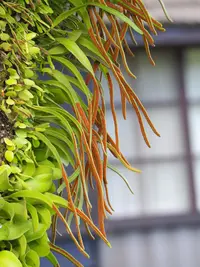
Attach the plant to cork bark or hardwood using soft ties and a thin layer of long-fiber sphagnum around the roots, then secure firmly so the rhizomes make close contact with the surface and can slowly anchor themselves.

Rhizome grooming

Inspect the creeping rhizomes every few months and gently remove dead fronds and loose debris with clean fingers or tweezers to improve airflow and reduce the risk of fungal spots.

Watering orientation

When mounted, briefly lay the slab flat in a sink or basin and soak the root area only, keeping the frond surface from staying wet for long periods to reduce leaf spotting and rot.

Seasonal light shift

In winter, move the plant slightly closer to a bright window or under a weak grow light to compensate for shorter days, but shield it from direct midday sun during brighter months.

Preventing scale pests

Check the felted rhizomes and frond bases monthly for scale insects and, at the first sign of infestation, dab them with cotton swabs dipped in 70% isopropyl alcohol and repeat weekly until no new pests appear, as part of general caring for Tongue-fern.

Common Pests and Diseases

Scale insects

This pest attaches tightly to fronds and rhizomes, sucking sap and causing yellowing, stunted growth, and sticky honeydew deposits. Symptoms include rough, bump-like shells on the leathery fronds and along the creeping rhizomes.

Solution

Physically remove scales by gently scraping with a cotton swab or soft brush dipped in 70% isopropyl alcohol, then rinse the plant with lukewarm water. For larger infestations, use a light horticultural oil or insecticidal soap, applied to both upper and lower frond surfaces and rhizomes, and repeat every 7–10 days until no new insects appear.

Mealybugs

These insects hide in the felted undersides of fronds and at rhizome nodes, producing white cottony clusters and honeydew that can lead to sooty mold. This pest weakens plants in drier indoor conditions or on mounted specimens with poor air movement.

Solution

Remove visible clusters with a cotton swab dipped in 70% isopropyl alcohol and shower the plant to dislodge remaining insects. Follow up with insecticidal soap or neem oil, focusing on rhizome joints and frond bases, and improve air circulation and humidity balance as part of long-term Pyrrosia adnascens plant care.

Rhizoctonia leaf spot

This disease causes irregular brown to dark lesions that often start along frond edges or where water sits, sometimes with a yellow margin. Symptoms include slowly enlarging spots that can merge and distort the typically firm, tongue-shaped fronds.

Solution

Remove and discard affected fronds, then reduce overhead watering and avoid water sitting on leaves for long periods. Improve airflow around the plant and, if spots continue to spread, apply a fern-safe fungicide labeled for Rhizoctonia, treating both fronds and the growing area around the rhizomes.

Botrytis blight

This disease appears in cool, humid, stagnant air as soft brown patches on fronds that may develop a gray, fuzzy mold, especially on older or damaged tissue. Symptoms include rapid collapse of affected frond sections under persistently damp conditions.

Solution

Prune and discard all affected tissue, including any fallen fronds, and increase air circulation while keeping humidity moderate rather than constantly wet. Allow frond surfaces to dry between waterings and, in severe cases, use a labeled ornamental fern fungicide targeting Botrytis, applied according to directions and combined with better ventilation.

Interesting Facts

Epiphytic rock specialist

This species naturally grows as an epiphyte or lithophyte, anchoring itself on tree bark or rock surfaces in humid forests rather than rooting in deep soil.

Star-shaped scale hairs

The fronds are covered with distinctive star-shaped scales (stellate trichomes) that create a felted texture and help reduce water loss on exposed surfaces.

Creeping rhizome network

It spreads through a creeping rhizome that adheres tightly to its host surface, allowing the plant to form mat-like colonies over bark, rocks, or old walls.

FAQs about Tongue-fern

This species adapts well to both, provided humidity stays moderate to high and light is bright but indirect. Indoors, stable temperatures and protection from wind help fronds stay cleaner and more even, especially in centrally heated homes.

Grow Healthy Plants with Botan Care

Keep your plants happy and healthy with plant identification, disease detection, and easy care guidance.

Botan plant care app — identify plants on mobile

Explore More Plants