Frond thinning
Periodically remove the oldest, yellowing, or crowded fronds at the base with clean, sharp scissors to improve air movement through the clump and reduce fungal spotting on inner fronds.

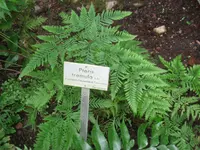
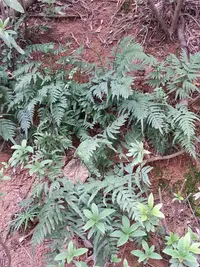
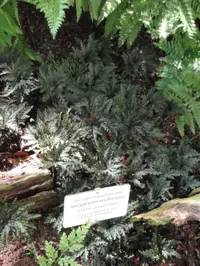
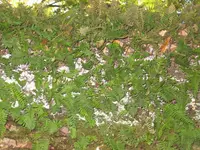
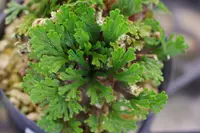
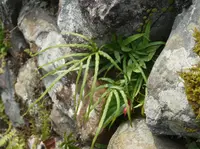
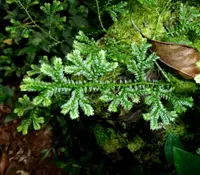
Australian brake (Pteris tremula) is a finely textured fern valued for its light, lacy fronds and soft, arching habit. It forms a loose clump that gives a delicate, airy look.
This species is native to Australia and nearby regions, where it typically grows in moist, shaded forest environments. In cultivation it is often used as a decorative foliage plant for bright bathrooms, shaded patios, or fern collections.
It prefers consistent moisture, shelter from harsh sun, and a loose, well-drained mix rich in organic matter. With stable humidity and gentle handling, it is relatively straightforward to care for Australian brake indoors or in protected outdoor spots.

Care Difficulty
Moderate Care

Light Preference
Partial Shade

Water Requirements
Keep Soil Moist

Temperature Preference
Warm Climate

Hardiness Zone
9–11

Soil Texture
Loamy, Peaty, Organic-rich

Soil pH
Acidic (5.5–6.5)

Soil Drainage
Moist but well-drained

Fertilization
Light (every 4–6 weeks)
Scan your plant to receive care tips personalized for your specific plant
Available on iOS and Android
This fern prefers soft, filtered light similar to a bright forest edge.
This fern thrives in consistently moist but not waterlogged soil.
This species prefers mild, frost-free conditions with stable, moderate temperatures.
This fern prefers consistently moist air and reacts quickly to dry indoor conditions.
This fern performs best in loose, moisture-retentive but well-drained, organic-rich substrate.
This species is well suited to container growing when moisture and drainage are carefully controlled.
Australian brake responds well to light, consistent feeding during active growth.
Pteris tremula benefits from light, hygienic pruning rather than heavy cutting.
This fern prefers slightly snug conditions but still benefits from periodic repotting or division.
This fern is most reliably multiplied by careful division of established clumps.
This fern is only mildly tolerant of cold and needs protection from hard frost in many regions.

Plant Health Check
Not sure what's wrong with your plant? Check your plant's health inside the app.
This fern commonly colonizes recently disturbed or logged forest sites in its native range and can form dense ground layers that help shade and stabilize bare, moist soil.
Spore germination and early growth occur best in cool, consistently moist conditions, which reflects its natural preference for shaded, damp forest habitats.
The plant produces light green fronds that are both finely divided and slightly pendulous, giving the clump a soft, trembling appearance that inspired its common name trembling brake.
Yellowing fronds usually result from overwatering, poor drainage, or low light. Check that the pot drains freely, empty saucers, and let the top layer of mix slightly dry between waterings. Old fronds naturally yellow and die off over time.
Keep your plants happy and healthy with plant identification, disease detection, and easy care guidance.