Bourreria huanita Care

Bourreria huanita

About Bourreria huanita

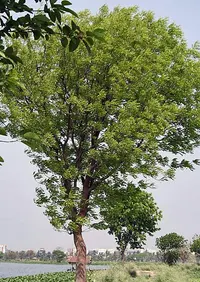
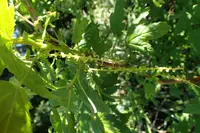
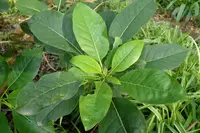
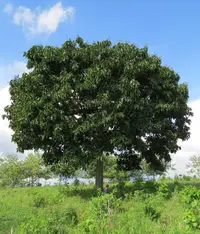
Bourreria huanita is a small to medium tree or large shrub, known for its dense foliage and clusters of small, often fragrant flowers. It typically has a rounded crown and can develop a somewhat irregular, branching structure with age.

This species is native to tropical regions of the Americas, where it grows in warm, relatively moist habitats, often in lowland forests or thickets. It tends to prefer well‑drained soil, consistent moisture, and bright light, which helps guide how to care for Bourreria huanita.

Its tolerance for warmth and sun can make it manageable in suitable climates, but it is not suited to cold or very dry conditions, which limits its use in cooler regions.

Main Plant Requirements

Care Difficulty

Moderate Care

Light Preference

Full Sun

Water Requirements

Moderate Water

Temperature Preference

Tropical / Frost Sensitive

Hardiness Zone

10–12

Soil Texture

Sandy, Loamy, Organic-rich

Soil pH

Slightly acidic (6.5–7.0), Neutral (7.0)

Soil Drainage

Well-drained

Fertilization

Minimal (feed rarely)

Get Personalized Care Plan

Scan your plant to receive care tips personalized for your specific plant

Available on iOS and Android

How to Care for the Bourreria huanita

This shrub prefers bright exposure with some protection from intense midday sun.

  • Provide 6–8 hours of direct sun, ideally with morning sun and light afternoon shade, especially in hot summer climates.
  • Plant Bourreria huanita where it receives at least 4 hours of direct light; heavy shade reduces flowering and produces sparse, leggy growth.
  • In regions with strong sun, use filtered light or a light overstory during 12–4 p.m. to reduce leaf scorch and premature leaf drop.

This species needs moderately moist, well-drained soil and does not tolerate prolonged saturation.

  • Water when the top 3–5 cm of soil feel dry, allowing moisture to penetrate 15–20 cm deep, then let excess drain away fully.
  • Reduce frequency in cool seasons, relying on rainfall when possible; in hot, dry periods, monitor leaves for slight wilting or dullness as a cue to water.
  • Ensure soil drains freely; persistent wetness, yellowing leaves, or soft stems indicate overwatering, while crisp leaf edges and slow growth suggest underwatering.

This plant prefers warm, frost-free conditions typical of subtropical to tropical climates.

  • Aim for 70–86°F (21–30°C) during active growth; it will still grow, though more slowly, at 60–70°F (16–21°C).
  • Protect from temperatures below 40–45°F (4–7°C); light frost can damage young shoots, and hard freezes may kill above-ground growth.
  • In very hot weather above 95°F (35°C), provide extra mulch and some afternoon shade to limit heat stress and leaf scorch.

This species manages well in typical home humidity but benefits from slightly moist air in dry climates.

  • Aim for 40–60% humidity; it tolerates brief drops lower but growth may slow.
  • Crisping leaf edges and stalled new growth signal humidity stress, especially in heated or air-conditioned rooms.
  • Increase humidity with a nearby pebble tray or grouping plants, rather than misting foliage directly.

Bourreria huanita prefers a loose, well-aerated, fast-draining substrate that does not stay wet for long.

  • Use a sandy-loam style mix, such as 50% all-purpose potting mix, 25% coarse sand, and 25% perlite or small pumice.
  • Ensure water drains freely within a few seconds; soggy or compacted soil promotes root rot and weak growth.
  • Aim for slightly acidic to neutral pH, roughly 6.0–7.0, avoiding strongly alkaline or saline conditions.
  • In heavy native soil, incorporate coarse sand and fine bark to improve structure, pore space, and root oxygen access.

This shrub can adapt to container growing when the pot is chosen to support its woody root system and above-ground weight.

  • Select a deep, heavy container to counterbalance the woody canopy and reduce tipping in strong wind.
  • Choose a pot material with moderate moisture retention, such as thick-walled terracotta, to prevent prolonged saturation after watering.
  • Elevate the container on pot feet so drainage holes stay clear and runoff leaves the root zone quickly.

This species benefits from light, targeted feeding but often grows acceptably in average soil.

  • Apply a balanced NPK granular or slow-release fertilizer at half strength once in early spring and again in mid-summer.
  • On poorer soils, supplement with a thin layer of well-rotted compost around the root zone, keeping it away from the trunk.
  • Avoid feeding in late fall or winter to prevent soft, frost-tender growth and reduce nutrient leaching.

Pruning for this shrub or small tree focuses on health, structure, and manageable size.

  • Carry out light pruning in late winter or very early spring, before strong new growth starts.
  • Remove dead, diseased, crossing, or storm-damaged branches to improve airflow and reduce pest or disease issues.
  • Thin congested interior shoots to let more light reach flowering wood and to maintain a balanced canopy shape.
  • Use sharp, clean bypass pruners or loppers, making smooth cuts just outside the branch collar without leaving stubs.

This plant is usually grown in the ground, so management focuses on careful transplanting rather than frequent repotting.

  • Transplant young plants in late winter or early spring when soils are workable and temperatures are mild.
  • Look for signs such as circling roots in a nursery pot, soil drying very fast, or stunted growth before moving it.
  • Shift to a hole 2–3 times wider than the root ball, backfill with native soil, and water slowly but thoroughly.
  • Reduce root stress by handling the root ball gently, shading the plant for 1–2 weeks, and keeping soil evenly moist but not waterlogged.

Propagation is possible but somewhat specialized, using either seeds or semi-hardwood cuttings.

  • Collect ripe seeds from Bourreria huanita fruits, clean them, and sow in a free-draining mix kept at 70–80°F with steady moisture.
  • Take semi-hardwood cuttings in late spring to mid-summer, 8–12 cm long, with several nodes and minimal leaves.
  • Dip cut bases in rooting hormone, then place in a sterile, well-aerated medium such as 1:1 perlite and peat or coco coir.
  • Maintain high humidity and bright, indirect light, using a vented cover or misting system, and avoid waterlogged conditions to limit rot.

This warmth-loving species is not frost tolerant and needs protection in climates with cold winters.

  • In regions below about 30–32°F, grow it in containers and move plants indoors or into a heated greenhouse before the first frost.
  • Outdoors in marginal climates, apply a 5–8 cm mulch layer over the root zone, keeping mulch slightly away from the trunk.
  • Shelter stems from freezing winds with a breathable frost cloth and avoid winter pruning, which can stimulate tender growth.

Care Tips

Salt-spray acclimation

If grown inland, gradually expose young plants to gentle airflow with a small fan or open windows for a few hours a day so foliage toughens before planting in windy, coastal sites with salt spray.

Flowering wood management

After the main flush of flowers and fruits, lightly thin out only the oldest, most congested interior twigs so more light reaches younger flowering wood and overall bloom production improves the following season.

Wildlife browsing protection

In areas with deer or rabbits, use a 60–90 cm tall mesh cylinder around the trunk for the first 2–3 years to prevent bark and shoot damage that can permanently distort the plant’s natural rounded form.

Targeted pest scouting

Every 1–2 weeks during warm weather, inspect the undersides of leaves and new growth for scales, whiteflies, or mites and act early with horticultural oil or insecticidal soap if clusters are found, rather than waiting for visible decline.

Mulch ring management

Maintain a 5–8 cm deep ring of coarse organic mulch that stops 5–8 cm short of the stem to keep roots cool and moist, reduce weed competition, and lower long-term maintenance effort when caring for Bourreria huanita.

Common Pests and Diseases

Whiteflies

These insects feed on the underside of leaves, causing yellowing, reduced vigor, and sticky honeydew that can attract sooty mold. This pest is more common on young Bourreria grown in sheltered or nursery conditions.

Solution

Control populations by regularly checking the leaf undersides and removing heavily infested foliage, then using a strong stream of water to dislodge remaining insects. For ongoing issues, introduce natural enemies such as Encarsia wasps where available, or apply insecticidal soap or neem oil in the early morning, repeating weekly until populations drop.

Leaf-mining larvae

These insects tunnel within leaves, producing pale, winding trails and blotches that reduce photosynthesis and can cause premature leaf drop. Symptoms include distorted young foliage on stressed or densely planted shrubs.

Solution

Prune and dispose of affected leaves promptly to remove larvae before they mature, and avoid overhead irrigation that can stress foliage. For persistent problems, use a targeted systemic insecticide labeled for leaf miners on ornamental shrubs, applying according to label directions and only when active mining is visible.

Sooty mold

This disease develops as a black, powdery coating on leaves and stems that grow under heavy sap-sucking insect activity such as whiteflies or scale. Symptoms include dull, darkened foliage and reduced photosynthesis, but the fungus usually does not invade plant tissues directly.

Solution

Manage the underlying insect infestation first, then gently wash leaves with water and a mild, diluted soap solution to remove the fungal layer. Improve air movement around the plant by thinning dense branches and avoid excessive overhead watering to help leaves dry more quickly, which supports overall Bourreria huanita care.

Scale insects

These insects appear as small, fixed bumps on stems and leaf veins, sucking sap and causing yellowing, leaf drop, and general decline in heavily infested plants. This pest often builds slowly and may be overlooked until sooty mold develops on the honeydew they excrete.

Solution

Scrape off or prune out localized colonies, then treat remaining infestations with horticultural oil, ensuring thorough coverage of stems and leaf undersides. Repeat oil applications at 7–14 day intervals during mild weather and monitor regularly, especially on older woody stems where scale tends to persist.

Interesting Facts

Neotropical dry-forest tree

This species is native to seasonally dry tropical forests of Mesoamerica, where it grows as a small to medium tree in open, sun-exposed habitats and edges rather than deep shade.

Fragrant white blossoms

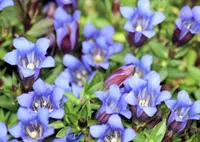
It produces small, white, tubular flowers in clusters that are lightly fragrant and attract bees and other small pollinators, often blooming during the warmer, wetter part of the year.

Bird-dispersed orange fruit

After flowering, it develops small orange drupes whose fleshy outer layer is eaten by birds, aiding seed dispersal and helping the species colonize disturbed or open sites.

FAQs about Bourreria huanita

The fragrant, nectar-rich flowers are highly attractive to native bees, butterflies, and other small pollinators. Planting it in a sunny, sheltered spot can support local pollinator populations and increase fruit set on nearby garden plants.

Grow Healthy Plants with Botan Care

Keep your plants happy and healthy with plant identification, disease detection, and easy care guidance.

Botan plant care app — identify plants on mobile

Explore More Plants