Oriental Sweetgum Care (Liquidambar orientalis)

Also known as: Turkish Sweetgum
Oriental Sweetgum

About Oriental Sweetgum

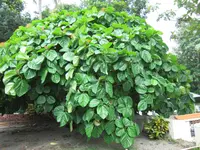
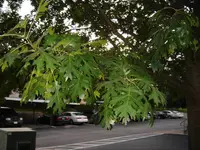
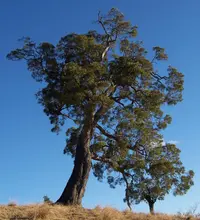
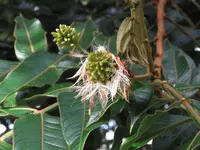
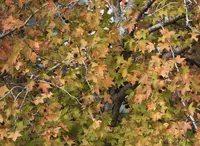
Oriental sweetgum, Liquidambar orientalis, is a deciduous tree valued for its aromatic resin and attractive foliage. It usually develops a rounded crown and straight trunk with gray to brown bark. Leaves are maple-like, glossy green, and can show strong autumn color in suitable climates.

This species is native to southwestern Turkey and nearby regions, where it grows in warm, sunny valleys and along moist slopes. It can be moderately challenging for beginners, as it dislikes drought, compacted soil, and extreme cold. Gardeners who learn how to care for Oriental Sweetgum often succeed by providing steady moisture, sun, and deep, well-drained soil.

Main Plant Requirements

Care Difficulty

Moderate Care

Light Preference

Full Sun

Water Requirements

Regular Water

Temperature Preference

Warm Climate

Hardiness Zone

8–9

Soil Texture

Sandy, Loamy, Clay

Soil pH

Acidic (5.5–6.5), Slightly acidic (6.5–7.0)

Soil Drainage

Moist but well-drained

Fertilization

Minimal (feed rarely)

Get Personalized Care Plan

Scan your plant to receive care tips personalized for your specific plant

Available on iOS and Android

How to Care for the Oriental Sweetgum

This sun-loving deciduous tree develops best color and form in full sun climates.

  • Provide 6–8 hours of direct sun daily; morning sun with light afternoon shade suits hot-summer areas best.
  • Young Oriental Sweetgum trees benefit from some protection from harsh late-afternoon sun to reduce leaf scorch on exposed sites.
  • Trees tolerate light to partial shade, but less than 4–5 hours of sun leads to thinner crowns, reduced fall color, and weaker growth.

This species prefers evenly moist, well-drained soil and dislikes prolonged drought or standing water.

  • Allow the top 3–5 cm of soil to dry between deep waterings; soil should feel cool and slightly moist below that depth.
  • Increase watering during the first 2–3 growing seasons and in hot, dry spells, watching for drooping leaves or crisp tips as signs of thirst.
  • Ensure free-draining soil; persistent puddling, sour smell, or yellowing, soft leaves indicate overwatering, especially on heavier clay sites for Liquidambar orientalis.

This Mediterranean tree prefers warm summers and mild winters with limited hard frost.

  • Optimal growth occurs around 65–85°F (18–29°C), with best shoot extension and leaf development in late spring and early summer.
  • Mature trees usually tolerate brief drops to about 10–15°F (-12–-9°C), but young plants are more vulnerable and benefit from shelter in exposed gardens.
  • In hot climates above 95°F (35°C), mulch the root zone and ensure soil moisture to reduce heat stress and leaf scorch during dry, windy periods.

This species grows well in typical outdoor humidity and does not have strict moisture-in-the-air demands.

  • Prefers 40–70% humidity but copes with lower levels if soil moisture is consistent.
  • Shows humidity stress as browning leaf edges and premature leaf drop during hot, very dry spells.
  • For young Oriental Sweetgum trees, reduce stress by mulching the root zone and providing regular deep watering in dry, windy weather.

This tree prefers deep, moist, well-drained mineral soils with stable structure.

  • Use a loamy soil with moderate organic matter; blend native soil with 20–30% compost to improve structure and water-holding capacity.
  • Ensure drainage is steady, not rapid; avoid compacted clay, standing water, or extremely sandy profiles that dry out too fast.
  • Aim for slightly acidic to neutral pH around 5.5–7.0, which supports nutrient uptake and stable growth for Liquidambar orientalis.
  • Improve aeration and drainage on heavy sites by incorporating coarse sand or fine pine bark into the top 20–30 cm before planting.

This species can be grown in containers only for the short to medium term, mainly as a juvenile tree.

  • Choose a very large, deep, and heavy container to accommodate a strong taproot and prevent tipping in wind.
  • Use a dense, loam-based mix rather than ultra-light potting soil to improve stability and more even moisture retention.
  • Position the container where wind exposure is reduced, since tall top growth in a narrow pot becomes unstable over time.

This Mediterranean tree grows well in average soil, so Oriental Sweetgum responds best to modest, targeted feeding.

  • Apply a balanced slow-release fertilizer (around 10-10-10) in early spring, once the soil is workable.
  • Use compost or well-rotted manure as a light surface mulch to improve soil structure and nutrient availability.
  • Avoid high-nitrogen products that stimulate lush, weak growth at the expense of strong wood and autumn color.
  • Stop feeding by late summer so new shoots harden before cold weather and reduce risk of winter damage.

Pruning Liquidambar orientalis focuses on structural safety and light canopy shaping rather than frequent cutting.

  • Carry out main pruning in late winter to very early spring while the tree is dormant.
  • Remove dead, damaged, crossing, or inward-growing branches to maintain a stable, open framework.
  • Use clean, sharp bypass pruners or a pruning saw, making cuts just outside the branch collar.
  • Limit crown reduction to small, selective cuts to preserve natural pyramidal form and reduce stress.

This species is usually grown in the ground, so care focuses on transplanting rather than long-term container culture.

  • Transplant young trees in late fall or early spring when soil is moist and temperatures are mild.
  • Look for circling roots in nursery containers or poor, stunted growth as signals to shift into the landscape.
  • Dig a wide, shallow planting hole, teasing out any girdling roots to encourage outward root spread.
  • Water deeply after planting, then maintain even moisture and a 5–8 cm mulch ring to limit stress and soil temperature swings.

Propagation of Liquidambar orientalis is possible but slow and better suited to patient growers or nurseries.

  • Sow fresh seeds in autumn outdoors or stratify for 2–3 months at 35–41°F to break dormancy.
  • Use a free-draining, slightly acidic seed mix kept evenly moist and in bright, indirect light.
  • Softwood or semi-hardwood cuttings in early summer need rooting hormone, bottom heat, and high humidity.
  • Allow seedlings or rooted cuttings to develop strong root systems in containers before planting out.

Mature trees offer good cold tolerance in many temperate regions and often need minimal winter care once established.

  • Young or newly planted trees benefit from a 5–8 cm organic mulch layer over the root zone, kept off the trunk.
  • In colder zones, wrap the lower trunk with breathable tree wrap to limit sunscald and frost cracks.
  • Container-grown specimens in cool regions should be moved to a sheltered, unheated but frost-free space.

Care Tips

Root-zone mulching

Apply a 5–8 cm layer of shredded bark or leaf mold from just away from the trunk out to the drip line to keep roots cool, conserve moisture, and reduce weed competition without burying the flare at the base of the tree.

Strong single leader

Select and maintain one dominant central leader in young trees by pruning or lightly staking competing shoots so the tree develops a stable, upright structure that resists storm damage later.

Wind and stake management

Stake only in exposed or very windy sites, using 2–3 loose ties and removing all staking materials after 1–2 years so the trunk can flex and strengthen naturally.

Soil compaction control

Protect the root zone from foot traffic, vehicles, and heavy equipment, and if compaction is present, use a garden fork or air-spade service to loosen the top 20–30 cm of soil outside the immediate trunk area without cutting major roots.

Autumn leaf recycling

Shred fallen leaves and use them as mulch or add them to a compost pile; this returns organic matter to the soil and supports long-term health when caring for Oriental Sweetgum in the same location for many years.

Common Pests and Diseases

Bacterial leaf scorch

This disease causes marginal leaf browning, premature autumn color, and early leaf drop, often starting on one limb or section of the crown. Symptoms include leaves that look scorched around the edges while veins may remain green at first.

Solution

Prune out and destroy affected branches during dry weather to reduce bacterial spread and disinfect tools between cuts. Improve tree vigor with regular watering during drought, 5–7 cm of organic mulch kept away from the trunk, and avoid wounding roots or trunk; severely affected trees in high-value sites may justify consultation with an arborist for diagnostic testing and long-term management advice as part of broader Liquidambar orientalis care instructions.

Leaf spot fungi

This disease group produces small to medium brown or purple spots on leaves that can merge into larger blotches, sometimes leading to early leaf drop in wet seasons. Symptoms include more severe spotting in the inner, shaded canopy where leaves stay wet longer.

Solution

Rake and remove fallen leaves to reduce fungal spores, and avoid overhead irrigation that keeps foliage wet. Thin nearby vegetation to improve air movement around the canopy; in severe, recurrent cases on young or high-value trees, a certified arborist can time preventive fungicide sprays to early spring leaf-out if local regulations allow.

Aphids

These insects cluster on tender shoots and leaf undersides, sucking sap and causing curled, distorted growth and sticky honeydew that can lead to sooty mold. This pest is usually more noticeable on young trees or vigorous new shoots.

Solution

Spray colonies off with a strong stream of water from a hose on several consecutive days, targeting shoot tips and leaf undersides. Encourage natural predators such as lady beetles by limiting broad-spectrum insecticides; if populations remain high on small trees, use insecticidal soap or horticultural oil labeled for ornamental trees, applied in the early morning or evening to avoid leaf burn.

Scale insects

These insects appear as small, dome-shaped or flattened bumps on twigs and branches, feeding on sap and weakening the tree over time. Symptoms include sticky honeydew, black sooty mold on lower leaves or nearby surfaces, and gradual thinning of the canopy.

Solution

Prune and discard heavily infested twigs to remove dense colonies and improve spray coverage. For light infestations, scrub reachable branches with a soft brush and soapy water; for moderate to heavy infestations on established trees, apply horticultural oil during the dormant season or at crawler stage as directed on the product label, and consult an arborist if large limbs or the main trunk are involved.

Borer beetles

These insects tunnel into stressed trunks and branches, leaving small exit holes, sawdust-like frass, and dieback of affected limbs. This pest typically attacks trees weakened by drought, soil compaction, or mechanical injury.

Solution

Promptly prune out and dispose of dead or dying branches to remove developing larvae and improve tree structure, making clean cuts just outside the branch collar. Reduce plant stress by watering deeply during dry spells, protecting the trunk from mechanical damage, and avoiding excessive soil fill or compaction around the root zone; chemical borer treatments are usually only justified on high-value trees under professional supervision.

Interesting Facts

Endemic to southwest Turkey

This species occurs naturally only in a very small area of southwestern Turkey, mainly around Muğla and Köyceğiz, where it forms distinctive, relic lowland forests near wetlands and river valleys.

Fragrant resin production

The tree exudes a balsamic resin known as storax, which has a sweet, balsamic scent and has been traditionally collected from the bark in its native range for use in perfumery and incense.

Relict from warmer eras

Fossil evidence shows that close relatives of this species were once widespread in Europe, and the current Turkish populations are considered relict stands that survived past climatic shifts toward cooler, drier conditions.

Botan icon

Did you know?

Liquidambar orientalis forms one of the rarest forest types in Europe and the eastern Mediterranean region, and its remaining stands are considered of high conservation priority due to their very restricted distribution and habitat specialization.

FAQs about Oriental Sweetgum

This species grows at a moderate rate, typically 25–45 cm per year in suitable conditions. Over time it can reach 10–15 m tall with a broad, rounded crown, so it needs generous long-term space.

Grow Healthy Plants with Botan Care

Keep your plants happy and healthy with plant identification, disease detection, and easy care guidance.

Botan plant care app — identify plants on mobile

Explore More Plants