Dwarf kurrajong Care (Brachychiton bidwillii)

Also known as: Pink lacebark
Dwarf kurrajong

About Dwarf kurrajong

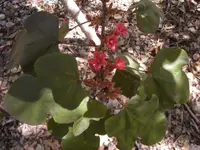
Dwarf kurrajong, Brachychiton bidwillii, is a small, shrubby tree from eastern Australia, valued for its compact size and showy red to pink bell-shaped flowers. It often has a thickened trunk base and semi-deciduous foliage, giving it a sculptural look even when not in bloom.

In its native habitat it grows in warm, relatively dry regions, which explains its good drought tolerance and preference for well-drained soil. It generally prefers bright light, including some direct sun, and copes better with occasional dryness than with constant moisture.

These traits make it attractive for containers, small gardens, and enthusiasts looking to care for Dwarf kurrajong in mild, frost-free climates or sheltered outdoor spots.

Main Plant Requirements

Care Difficulty

Moderate Care

Light Preference

Full Sun

Water Requirements

Low Water

Temperature Preference

Warm Climate

Hardiness Zone

9–11

Soil Texture

Sandy, Loamy, Rocky

Soil pH

Slightly acidic (6.5–7.0), Slightly alkaline (7.0–7.5)

Soil Drainage

Well-drained

Fertilization

Minimal (feed rarely)

Get Personalized Care Plan

Scan your plant to receive care tips personalized for your specific plant

Available on iOS and Android

How to Care for the Dwarf kurrajong

This small Australian tree thrives in full sun but accepts some light shade in hot regions.

  • Provide 6–8 hours of direct sun daily; morning and midday sun promote compact growth and flowering for Dwarf kurrajong.
  • In very hot inland areas, give protection from harsh west-facing afternoon sun to reduce leaf scorch and stress.
  • Young or newly planted trees benefit from 20–40% filtered shade cloth in their first summer, then can gradually be moved into more open sun.

This drought-tolerant tree prefers infrequent, deep watering once established.

  • Allow the top 5–8 cm of soil to dry before watering, then soak the root zone thoroughly and let excess drain away.
  • During the first 1–2 growing seasons, water when new leaves droop slightly or soil feels dry at 5 cm depth; reduce frequency once roots are established.
  • Brachychiton bidwillii dislikes prolonged soggy soil; yellowing leaves or soft stems suggest overwatering, while crisp leaf edges and premature drop indicate underwatering.

This species prefers warm climates and copes well with heat once established.

  • Ideal growing temperatures are 70–90°F (21–32°C), with best shoot and flower development in warm, dry conditions.
  • Mature trees tolerate brief drops to about 25°F (-4°C), but young plants are safer above 32°F (0°C) and benefit from frost cloth during cold snaps.
  • In heatwaves above 100°F (38°C), maintain soil moisture and mulch the root zone to limit stress and leaf scorch, especially for young specimens.

Humidity is rarely a limiting factor for this species in homes or offices.

  • Prefers 30–50% relative humidity, similar to most indoor living spaces.
  • Tolerates dry air well; Dwarf kurrajong usually shows stress only when combined with underwatering and heat.
  • Humidity stress appears as crisp leaf edges and slow new growth, so check soil moisture and temperature first before trying to raise humidity.
  • If air is very dry, group plants or place the pot on a pebble tray with water below (not touching) the base.

This species prefers very well-drained, mineral-lean soil that does not stay wet for long.

  • Use a gritty mix such as 40% cactus potting mix, 40% coarse sand, and 20% fine bark or pumice to support strong root aeration.
  • Aim for slightly acidic to neutral pH, roughly 6.0–7.5, which suits typical cactus or succulent mixes used for Brachychiton bidwillii.
  • Ensure water drains through within seconds and the mix dries within a few days to reduce root rot risk in the caudex-like base.
  • Avoid heavy clay, peat-heavy blends, or compacted garden soil, and loosen any dense mix with extra sand, perlite, or pumice.

This species adapts well to container growing when the pot and substrate manage excess moisture effectively.

  • Choose a relatively deep, heavy pot so the developing swollen trunk stays stable in wind and does not tip over easily.
  • Select unglazed terracotta if extra evaporation is needed, as its porous walls help the mix dry between waterings.
  • Leave several drainage holes completely unobstructed and empty the saucer quickly so water never stands around the lower roots.

This small tree grows well in lean soils, so caring for Dwarf kurrajong focuses on light, infrequent feeding rather than heavy fertilization.

  • Use a balanced slow-release fertilizer (around 10-10-10) or well-rotted compost at the start of spring growth.
  • Apply a light dose only 1–2 times during the growing season, especially in poor or sandy soils.
  • Avoid high-nitrogen products that push soft, leggy growth at the expense of flowering.
  • Withhold fertilizer in late fall and winter to let the plant rest and harden growth.

Brachychiton bidwillii benefits from modest, well-timed pruning to maintain structure and encourage safe, healthy growth.

  • Carry out pruning in late winter or very early spring before active growth resumes.
  • Remove dead, diseased, or storm-damaged branches first using clean, sharp bypass pruners or loppers.
  • Thin out crowded interior shoots to improve light penetration and airflow through the canopy.
  • Shorten or redirect awkward branches to shape the tree, keeping cuts just above a healthy outward-facing bud.

This species is usually grown in the ground, so focus on correct site planting and minimal disturbance once established.

  • Transplant in late winter or early spring while the tree is small, before vigorous growth starts.
  • Choose a sunny, well-drained position and dig a hole just wider than the root ball, keeping the root flare at soil level.
  • Look for roots circling the container; gently tease them loose to encourage outward growth and reduce future girdling.
  • Water deeply after planting, then keep soil evenly moist (not waterlogged) for several weeks to limit transplant shock.

Brachychiton bidwillii is typically propagated from seeds, with success depending on warm conditions and careful handling.

  • Collect mature seed pods, remove seeds, and lightly scarify the hard coat with sandpaper to improve water uptake.
  • Sow in late spring to early summer in a free-draining mix, keeping temperatures around 70–80°F for germination.
  • Maintain lightly moist, not wet, conditions and provide bright, indirect light to prevent damping-off disease.
  • Transplant seedlings into individual pots once they develop several true leaves, handling roots gently to avoid damage.

This species prefers mild climates and needs protection in regions with hard freezes or prolonged frost.

  • Tolerates only light frost; in zones colder than USDA 9, grow in containers or provide significant shelter.
  • Mulch the root zone with 5–8 cm of coarse organic material, keeping mulch slightly back from the trunk.
  • For young trees, wrap the lower trunk with breathable frost cloth during severe cold spells.
  • Move container plants indoors or into a bright, frost-free space when temperatures approach 32°F.

Care Tips

Trunk Training

Stake young plants loosely and rotate the stake position every 3–4 months to encourage a straight, sturdy trunk that can carry the heavy canopy and flower load later on.

Container Root Management

If grown in a pot, root prune every 2–3 years by slicing off 2–3 cm of the outer root ball and refreshing the potting mix to keep the plant compact and prevent circling roots that destabilize the plant.

Controlled Canopy Shaping

After flowering, selectively shorten only the longest whippy shoots by 20–30% to maintain a balanced dome-shaped crown without removing too much flowering wood for the next season.

Heat Reflection Protection

In very hot climates, use light gravel or mulch rather than dark stone around the base to reduce reflected heat that can scorch lower foliage and stress the bark.

Drought Hardening Strategy

Once established outdoors, gradually extend the interval between deep waterings at the end of spring to train the root system to penetrate deeper soil layers, which stabilizes growth and improves drought tolerance when growing Dwarf kurrajong.

Common Pests and Diseases

Kurrajong psyllid

This pest forms small lerp-like coverings on leaves and feeds on sap, causing pitting, distortion, and yellowing. Symptoms include sticky honeydew and sooty mold on foliage beneath infested branches.

Solution

Prune and dispose of heavily infested shoots, then spray the canopy thoroughly with a ready-to-use insecticidal soap or horticultural oil, repeating after 7–10 days if needed. Encourage natural predators such as lady beetles by avoiding broad-spectrum insecticides and maintaining plant diversity nearby.

Bark borers

These insects tunnel into trunks and larger branches, leading to frass (sawdust-like material), small exit holes, and dieback of affected limbs. This damage can weaken the tree structure and increase susceptibility to other stressors.

Solution

Promptly prune and destroy affected branches, cutting back to healthy wood, and keep pruning tools clean between cuts. Reduce borer attraction by avoiding trunk injuries, keeping the tree well-watered during dry periods, and using a trunk wrap or guard on young trees in high-risk areas.

Scale insects

This pest attaches to stems and leaf midribs as small bumps and feeds on sap, which can lead to leaf yellowing, reduced vigor, and honeydew buildup supporting sooty mold. Infestations often start on sheltered inner branches and are easy to miss at first.

Solution

Wipe small infestations off stems with a cloth dipped in diluted soapy water or alcohol, then rinse foliage with clean water. For larger trees, apply a horticultural oil spray to thoroughly coat the scales, and monitor regularly for reinfestation as part of Brachychiton bidwillii care.

Sooty mold

This disease is a black, powdery or velvety fungal growth that develops on honeydew excreted by sap-feeding insects like psyllids and scale. Symptoms include dull, blackened leaves that may photosynthesize less efficiently but are not directly invaded by the fungus.

Solution

Address the underlying honeydew-producing insects first using insecticidal soap or horticultural oil, then hose down foliage to wash off the mold. Improve airflow through light pruning and avoid overfertilizing with nitrogen, which can encourage heavy sap-feeder populations.

Interesting Facts

Caudex water storage

This small tree develops a swollen, bottle-shaped trunk (caudex) that stores water, helping it survive seasonal droughts in its native eastern Australia.

Fire-adapted seed pods

Its woody, boat-shaped seed pods are tough and heat-resistant, an adaptation to fire-prone habitats where seeds can persist in the canopy until conditions favor germination.

Nectar-rich bell flowers

The bright red, bell-shaped flowers produce abundant nectar that attracts birds and insects, making the species an important small-scale food source in dry woodland ecosystems.

Botan icon

Did you know?

This species is naturally restricted to parts of Queensland and New South Wales, where it often occurs as scattered individuals in open woodland, making truly wild populations far less common than its frequent appearance in cultivation might suggest.

FAQs about Dwarf kurrajong

Lack of flowering is often linked to insufficient light intensity, excess nitrogen fertilizer, or the plant being too young. Cool, dry winter rest and avoiding heavy pruning of flowering wood also help promote reliable bud and flower production.

Grow Healthy Plants with Botan Care

Keep your plants happy and healthy with plant identification, disease detection, and easy care guidance.

Botan plant care app — identify plants on mobile

Explore More Plants