feltleaf ceanothus Care (Ceanothus arboreus)

Also known as: island ceanothus, Catalina ceanothus
feltleaf ceanothus

About feltleaf ceanothus

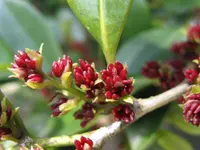
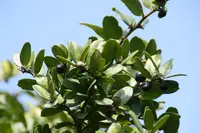
Feltleaf ceanothus (Ceanothus arboreus) is an evergreen shrub or small tree valued for its dense foliage and abundant blue flower clusters. It typically forms a rounded, bushy shape with thick, slightly fuzzy leaves that help it tolerate sun and wind.

This species is native to coastal California and the Channel Islands, where it grows on dry, rocky slopes and bluffs. It is adapted to Mediterranean-style climates with mild, wet winters and dry summers.

Feltleaf ceanothus is generally easy to grow in suitable climates, especially in well-drained soil and full sun, but it dislikes heavy watering and poorly drained sites. Understanding how to care for feltleaf ceanothus starts with providing dry, open conditions similar to its natural habitat.

Main Plant Requirements

Care Difficulty

Moderate Care

Light Preference

Full Sun

Water Requirements

Low Water

Temperature Preference

Warm Climate

Hardiness Zone

8–10

Soil Texture

Sandy, Loamy, Rocky

Soil pH

Slightly acidic (6.5–7.0), Neutral (7.0)

Soil Drainage

Well-drained

Fertilization

Minimal (feed rarely)

Get Personalized Care Plan

Scan your plant to receive care tips personalized for your specific plant

Available on iOS and Android

How to Care for the feltleaf ceanothus

Ceanothus arboreus thrives in bright, direct outdoor sun with some seasonal flexibility.

  • Provide 6–8 hours of direct sun daily; full sun is best for dense growth and abundant spring bloom.
  • Accepts light afternoon shade, especially in hotter regions, but flowering and compact form decline in deep or persistent shade.
  • Newly planted feltleaf ceanothus benefits from slight protection from harsh late-afternoon summer sun to reduce leaf scorch and transplant stress.

This shrub prefers dry to moderately moist soil and is sensitive to excess water around the roots.

  • After establishment, water only when the top 5–8 cm of soil are dry and foliage just begins to look slightly dull or limp.
  • Use sharply drained soil or a well-drained slope; water should not pool for more than 30–60 minutes after irrigation or rain.
  • Reduce or stop summer irrigation in mild, dry-summer climates; yellowing leaves, soft stems, or a sour soil smell indicate overwatering.

This coastal shrub performs best in mild climates with cool, wet winters and dry, warm summers.

  • Optimal growth occurs around 60–75°F (16–24°C), especially during the main spring growth and flowering period.
  • Mature plants tolerate brief drops to about 20–25°F (-6 to -4°C); young plants are more frost-sensitive and benefit from wind and frost protection.
  • Handles dry heat up to about 90–95°F (32–35°C) if roots are established and soil is not waterlogged, but prolonged hotter periods can reduce flowering and vigor.

Humidity is rarely a limiting factor for Ceanothus arboreus, which is adapted to dry air.

  • Target 30–50% humidity, similar to most heated indoor spaces and dry outdoor climates.
  • Plant leaves stay healthy even in dry, breezy conditions; avoid enclosed, constantly damp microclimates around feltleaf ceanothus.
  • Watch for mildew or black spotting if humidity is high with poor air movement, and increase airflow rather than moisture.

Ceanothus arboreus prefers lean, well-drained mineral soils that do not stay wet for long.

  • Use a sandy or gravelly loam with low to moderate organic matter to mimic dry, coastal slopes.
  • Aim for slightly acidic to neutral pH around 6.0–7.0, avoiding very alkaline or saline conditions.
  • Blend roughly 50% sandy loam with 25% coarse sand or grit and 25% fine gravel or perlite to improve drainage and aeration.
  • Avoid heavy clay, compacted ground, or mixes high in peat that hold water, which quickly lead to root decline.

This shrub can be grown in containers for a limited period if its root needs and stability are managed carefully.

  • Choose a deep, wide, heavy container that resists tipping as the shrub becomes woody and top-heavy.
  • Select a fast-draining, gritty mix and elevate the pot slightly so drainage holes never sit in standing water.
  • Place the container where wind exposure is moderate, using sheltered positions or weights to reduce rocking and root disturbance.

This drought-adapted shrub needs minimal feeding, especially when grown in native or poor soils.

  • If growth is weak, apply a light layer of compost or well-rotted organic mulch in early spring for feltleaf ceanothus.
  • Use a low-rate, slow-release, balanced NPK fertilizer (around 5-5-5 or 10-10-10) only on very poor soils.
  • Feed once in spring during active growth, then avoid additional fertilizer in late summer and fall to prevent soft, frost-prone growth.
  • Always apply at half the label strength and water in well to reduce root burn risk.

Ceanothus arboreus benefits from light, timed pruning to maintain structure and flowering performance.

  • Prune just after main flowering finishes in spring to avoid removing next season’s flower buds.
  • Remove dead, damaged, crossing, or inward-growing stems first to improve air flow and plant health.
  • Thin crowded shoots and shorten overly long branches to maintain a balanced, natural shape.
  • Use clean, sharp bypass pruners and make cuts just above a leaf node or side shoot.

This shrub is usually grown in the ground, so focus on careful transplanting rather than frequent repotting.

  • Transplant young plants in late fall or early spring when soil is moist and temperatures are mild.
  • Look for circling roots in containers or stalled growth as signs that a plant has outgrown its pot or nursery container.
  • Move into a hole or pot only 1–2 sizes larger, keeping the root ball intact to limit shock.
  • Water deeply after planting, then keep soil slightly moist (not wet) for several weeks while new roots establish.

Ceanothus arboreus is usually propagated by semi-ripe cuttings or seeds, but success can be variable.

  • Take semi-ripe cuttings in late summer, 7–10 cm long, from non-flowering shoots.
  • Remove lower leaves, dip the base in rooting hormone, and place in a free-draining, low-peat mix under bright, indirect light.
  • Maintain gentle bottom warmth around 68–72°F and high humidity, while keeping the medium only slightly moist.
  • For seeds, use fresh seed, provide a cool stratification period, and sow in very well-drained soil.

This species is best suited to mild, frost-free or light-frost climates and needs attention in colder areas.

  • Tolerates brief light frosts but can suffer damage below about 20–25°F, especially when young.
  • Apply a 5–8 cm mulch layer around the root zone in late fall, keeping it away from the stem base.
  • Shelter plants from cold, drying winds using fencing or nearby structures in exposed sites.
  • Grow container plants in large pots with sharp drainage and move to a cool, bright, frost-free location over winter.

Care Tips

Windfirm training

In the first 2–3 years, lightly stake young plants on windy sites and gradually loosen ties each season so the trunk strengthens without rubbing damage or becoming dependent on support.

Salt-spray tolerance check

In coastal areas, plant one or two shrubs first and monitor leaf burn or dieback over 1–2 seasons before using it as a hedge, since local wind and salt exposure levels can vary widely.

Underplanting strategy

Use low, drought-tolerant groundcovers beneath established plants instead of mulch right up to the trunk to keep roots cool, reduce weed pressure, and still allow good air flow around the crown.

Summer stress monitoring

In very hot inland climates, watch for midday leaf curl and tip scorch in late summer and provide temporary shade cloth on the hottest west-facing side rather than increasing irrigation, which often causes root problems.

Replacement planning

Because this shrub can be relatively short-lived in some landscapes, plan space and access so an aging specimen can be removed and a new one planted nearby without disturbing irrigation lines or surrounding plantings when caring for feltleaf ceanothus.

Common Pests and Diseases

Scale insects

This pest feeds on stems and leaf undersides, sucking sap and causing yellowing, leaf drop, and reduced vigor. Symptoms include small, dome-shaped or oval bumps that may be brown, gray, or whitish and often produce sticky honeydew.

Solution

Prune out heavily infested stems, then wipe reachable areas with a cloth or cotton pad dipped in diluted alcohol or insecticidal soap. For outdoor shrubs, a strong water spray can dislodge crawlers; if pressure is low and damage continues, use horticultural oil during the crawler stage, ensuring thorough coverage while avoiding application during extreme heat.

Black vine weevil

This pest chews distinctive notches along leaf edges, and its larvae feed on roots, which can cause sudden wilting or branch dieback. Damage is usually worst on container or young plants and is often more pronounced on shaded sides of the shrub.

Solution

Hand-pick adults at night using a flashlight, shaking branches over a sheet or tray to collect and destroy them. For persistent problems, apply beneficial nematodes to the soil in spring or late summer to target larvae, and reduce deep organic mulch right at the base of the plant to make conditions less favorable for hiding adults.

Aphids

These insects cluster on young shoots and leaf undersides, sucking sap and causing curling, distortion, and sticky honeydew that can attract sooty mold. New growth may appear crinkled, and ants are often seen tending the colonies.

Solution

Wash infested shoots with a firm stream of water on several consecutive days, focusing on tender tips. If colonies persist, treat new growth with insecticidal soap or a light horticultural oil, applying in the early morning or evening and avoiding use on water-stressed plants or during very hot, sunny periods.

Leaf spot

This disease causes tan, brown, or purplish spots on leaves that may merge into larger blotches, leading to premature leaf drop in humid or crowded conditions. Symptoms include spotting that is often more severe in the inner, shaded parts of the shrub.

Solution

Remove and dispose of affected fallen leaves and thin congested branches to improve air circulation around the plant. Avoid overhead irrigation; water at the base in the morning, and if leaf spot recurs severely, consider applying a labeled copper or chlorothalonil fungicide early in the season as part of broader Ceanothus arboreus care instructions.

Crown and root canker

This disease affects the crown and upper roots, causing dark, sunken lesions, poor growth, yellowing foliage, and eventual branch dieback, especially in heavy or poorly drained soils. Symptoms include sudden decline in previously vigorous shrubs after wet periods or overirrigation.

Solution

Improve drainage by reducing irrigation, avoiding frequent shallow watering, and keeping mulch and soil from building up against the base of the plant. Remove severely affected plants and do not replant Ceanothus in the same spot; for mild cases, expose the crown area to air by gently scraping away excess soil and mulch, and avoid wounds from string trimmers or mechanical damage that can open entry points for pathogens.

Interesting Facts

Island cloud forest native

This species is naturally restricted to the Channel Islands of California, where it grows in coastal sage scrub and island chaparral, often in fog-influenced cloud forest conditions that buffer it from extreme summer drought.

Evergreen nitrogen fixer

As a member of the Rhamnaceae, it forms root nodules with actinobacteria in the genus Frankia, allowing it to fix atmospheric nitrogen and enrich nutrient-poor island soils year-round.

Early-season nectar source

Its dense clusters of blue flowers open in late winter to spring in its native range, providing an important early nectar and pollen resource for resident island bees, flies, and butterflies before many other shrubs bloom.

Botan icon

Did you know?

In cultivation along mild coastal parts of California and similar climates, this species can develop into a small tree over 6 m tall and wide, making it one of the largest and most tree-like ceanothus species and a striking structural element in dry gardens focused on Ceanothus arboreus plant care.

FAQs about feltleaf ceanothus

This shrub is evergreen, keeping its foliage year-round in suitable climates. Leaves may thin slightly during stress or drought, but it does not drop all foliage seasonally like deciduous species.

Grow Healthy Plants with Botan Care

Keep your plants happy and healthy with plant identification, disease detection, and easy care guidance.

Botan plant care app — identify plants on mobile

Explore More Plants