Potting-on strategy
Shift the plant gradually into slightly larger containers every 2–3 years instead of jumping to a very large pot, which keeps roots active and reduces the risk of waterlogging in container-grown plants.

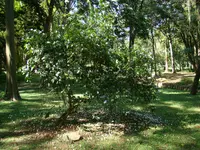
Largeflower brunfelsia, Brunfelsia grandiflora, is a tropical evergreen shrub valued for its showy, fragrant flowers. It typically forms a dense, rounded bush with glossy green leaves and abundant blooms. Flowers open deep purple, then fade to lavender and finally white, giving the plant a striking three-color effect on the same cluster. In nature, it occurs in warm, humid regions of South America, often in forest edges and clearings.
This species can be moderately challenging for beginners, as it dislikes cold, dry air, and long periods of drought. It prefers bright, filtered light, evenly moist but well-drained soil, and stable conditions, so consistent monitoring is helpful when learning how to care for largeflower brunfelsia.

Care Difficulty
Moderate Care

Light Preference
Partial Shade

Water Requirements
Regular Water

Temperature Preference
Tropical / Frost Sensitive

Hardiness Zone
10–12

Soil Texture
Loamy, Sandy, Organic-rich

Soil pH
Acidic (5.5–6.5)

Soil Drainage
Moist but well-drained

Fertilization
Light (every 4–6 weeks)
Scan your plant to receive care tips personalized for your specific plant
Available on iOS and Android
This shrub prefers bright, gentle light to produce abundant flowers and healthy foliage.
This species prefers evenly moist, well-drained soil without long wet or dry extremes.
This plant favors warm, stable conditions and reacts poorly to frost or extreme heat swings.
This species benefits from moderate to high humidity to maintain healthy foliage and flowering.
Brunfelsia grandiflora prefers a loose, aerated mix that drains freely yet retains steady moisture.
This shrub grows successfully in containers when given stable root space and controlled moisture.
Brunfelsia grandiflora responds well to moderate, consistent feeding during its active growing season.
Pruning supports dense growth and better flowering on Brunfelsia grandiflora.
Container-grown plants benefit from periodic repotting, while garden specimens may need occasional transplanting when young.
Brunfelsia grandiflora is most often propagated from semi-ripe stem cuttings.
This species is frost-sensitive and needs protective winter care in cooler climates.

Plant Health Check
Not sure what's wrong with your plant? Check your plant's health inside the app.
Its flowers open deep violet, fade to pale lavender, and finally turn almost white over 2–3 days, so a single shrub often shows three flower colors at once. This color change is linked to shifts in petal pH and pigment breakdown in the aging corolla tissue.
This species occurs naturally in the western Amazon Basin, especially in Peru, Ecuador, Colombia, and adjacent Brazil, where it grows as an understory shrub or small tree along forest edges and clearings. It prefers warm, humid lowland habitats with filtered light rather than full, open sun.
The plant releases its strongest fragrance at dusk and during the night, which helps attract nocturnal pollinators such as moths. The tubular flowers and evening scent pattern are typical traits of plants adapted to moth pollination.

Brunfelsia grandiflora has been used for centuries in traditional Amazonian cultures, especially among Indigenous groups in Peru, as a spiritually significant plant in rituals and ceremonies, where it is regarded as a powerful but also potentially dangerous species due to its toxicity.
Lack of blooms usually relates to insufficient light, poor nutrition, or old, unpruned wood. Mature stems flower best. Use a balanced, slow-release fertilizer, avoid heavy pruning right before bloom season, and protect from temperature extremes.
Keep your plants happy and healthy with plant identification, disease detection, and easy care guidance.