Leafless Kopieva Care (Bulbine favosa)

Also known as: Leafless Beardstyle
Leafless Kopieva

About Leafless Kopieva

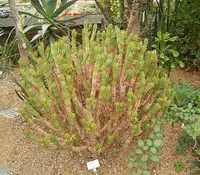
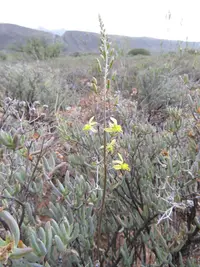
Leafless Kopieva, Bulbine favosa, is a small succulent perennial known for its tufted, grass-like foliage and bright yellow star-shaped flowers on slender stalks. It forms neat clumps that suit rock gardens, containers, and dry borders. This species is native to arid and semi-arid regions of southern Africa, where it grows in rocky, well-drained soils with limited moisture. Its drought tolerance and modest growth rate make it relatively simple to keep alive, provided excess water is avoided. For those learning how to care for Leafless Kopieva, it generally prefers bright light, occasional deep watering, and gritty soil that drains quickly.

Main Plant Requirements

Care Difficulty

Easy Care

Light Preference

Full Sun

Water Requirements

Low Water

Temperature Preference

Warm Climate

Hardiness Zone

9–11

Soil Texture

Sandy, Loamy, Rocky

Soil pH

Slightly acidic (6.5–7.0), Neutral (7.0)

Soil Drainage

Well-drained

Fertilization

Minimal (feed rarely)

Get Personalized Care Plan

Scan your plant to receive care tips personalized for your specific plant

Available on iOS and Android

How to Care for the Leafless Kopieva

Bulbine favosa prefers bright, sunny conditions with some protection from harsh extremes.

  • Provide 6–8 hours of direct sun daily, ideally with gentle morning sun and light afternoon shade, especially in hotter regions.
  • Plant in a position with open sky but allow dappled or filtered light during the strongest midday sun to prevent leaf scorch on Leafless Kopieva.
  • If stems stretch or flowering declines, the site is too shaded; move to a brighter position, especially during shorter winter days.

Bulbine favosa prefers infrequent, deep watering in fast-draining soil.

  • Allow the top 3–5 cm of soil to dry before watering; in sandy beds this often means waiting until foliage looks slightly less turgid but not wilted.
  • In spring and summer, water thoroughly, then let excess drain away; cut watering roughly in half during cooler months when growth slows.
  • Watch for yellowing, soft leaves and a sour smell as signs of overwatering, while shriveling, thin leaves and slow growth indicate underwatering.

This species thrives in warm, dry conditions and dislikes frost or prolonged cold.

  • Aim for 65–85°F (18–29°C) for active growth, as these temperatures support strong foliage and flowering.
  • Protect plants when temperatures drop near 32°F (0°C); light, brief frost may burn leaf tips, but repeated or hard frosts can kill roots.
  • In hot spells above 95°F (35°C), provide afternoon shade and ensure soil drains quickly to reduce heat stress and root damage.

This drought-tolerant succulent handles typical indoor air well and rarely needs special humidity management.

  • Target 30–50% relative humidity, similar to most heated or air-conditioned homes.
  • It tolerates much drier air, but sustained humidity above 60% around Leafless Kopieva can encourage rot in dense crowns.
  • If air is very humid, increase air movement with a small fan and avoid misting to reduce fungal issues.

Bulbine favosa prefers a lean, gritty mix that drains quickly and keeps roots well aerated.

  • Use a sandy or loamy, sharply draining mix such as 50–60% cactus potting mix blended with coarse sand or fine gravel.
  • Keep pH slightly acidic to neutral, around 6.0–7.0, which supports nutrient availability without stressing roots.
  • Add 20–30% mineral grit or perlite to improve pore space so water moves through rather than pooling at the root zone.
  • Avoid heavy, peat-dense or clayey substrates that stay wet, as these promote root rot and weak, elongated growth.

This species is well suited to container growing in bright outdoor spots or sunny patios.

  • Choose a wide, shallow pot that allows its fibrous roots to spread laterally rather than a very deep, narrow container.
  • Select unglazed terracotta if extra evaporation is needed in rainy or humid climates to keep the root zone drier.
  • Raise the container slightly on pot feet so drainage holes clear the ground and water can exit quickly after rain or irrigation.

Bulbine favosa benefits from modest feeding to support flowering and healthy foliage.

  • Use a balanced liquid or water-soluble fertilizer around 10-10-10, diluted to 1/2 strength, during active growth.
  • Feed every 4–6 weeks in spring and summer for container plants; in-ground clumps often need less.
  • Reduce or stop feeding in fall and winter when growth slows or the plant is semi-dormant.
  • Light applications of compost around the root zone can supplement nutrition when caring for Leafless Kopieva.

Pruning Bulbine favosa is mainly done to keep clumps tidy and encourage continuous flowering.

  • In late winter or early spring, remove dead or damaged leaves at the base with clean scissors or hand pruners.
  • Shear off spent flower stalks close to the foliage to redirect energy into new blooms.
  • Thin crowded or weak shoots to improve air flow and maintain a neat, compact mound.
  • Disinfect blades before and after use to limit disease spread between plants.

Transplanting or repotting helps maintain healthy root systems and tidy clumps in this drought-tolerant succulent.

  • Check for roots circling the pot, slow growth, or frequent wilting as signs a container plant needs more space.
  • Plan repotting or garden transplanting in spring, allowing the plant a full warm season to re-establish.
  • Aim for every 2–3 years in containers, using a well-drained, gritty mix and a pot just 2–5 cm wider.
  • Handle roots gently, keep the original soil level, water lightly after moving, and shade from intense sun for 2–3 days to reduce stress.

Bulbine favosa is commonly multiplied by division and seed to expand plantings or refresh older clumps.

  • Divide mature clumps in spring, lifting and gently separating offsets with several leaves and roots attached.
  • Replant divisions into well-drained soil, spacing them so rosettes do not touch, then water lightly until established.
  • Sow fresh seed in late winter or early spring on a gritty, free-draining mix and barely cover.
  • Provide bright light, 65–75°F, and consistent but light moisture for germination and early growth.

In mild climates this species needs little winter care, but extra measures help in colder areas.

  • Bulbine favosa tolerates light frost but may be damaged below about 25°F, especially in wet soils.
  • Mulch in-ground clumps with 5–7 cm of dry material, keeping mulch slightly away from the crown.
  • Move containers under cover or indoors to a bright, cool, frost-free spot and reduce watering.

Care Tips

Divide Old Clumps

Every 3–4 years, lift and gently divide congested clumps at the start of the growing season to refresh vigor, discard woody centers, and replant only the firm, healthy rosettes.

Optimize Container Depth

Use a low, wide pot at least 15–20 cm deep so the fibrous roots can spread laterally, which helps prevent the plant from toppling and supports dense flowering.

Seasonal Flower Deadheading

Snip off spent flower spikes close to the base throughout the warm season to direct energy into new buds and keep the plant from wasting resources on seed production.

Winter Rain Protection

In areas with cool, wet winters, move containers under a covered porch or use a simple clear rain shield to keep the crown and root zone from staying saturated for long periods.

Targeted Pest Checks

Inspect leaf bases and the lower stems every 2–3 weeks for mealybugs or scale, and treat early with a cotton swab dipped in isopropyl alcohol to avoid broader infestations while caring for Leafless Kopieva.

Common Pests and Diseases

Aloe mite

This pest causes distorted, swollen, or tufted growths (galls) on leaves and flower stalks, often with rough or blistered tissue. Symptoms include slow growth and deformed rosettes that do not recover once damaged.

Solution

Remove and destroy all affected leaves or entire rosettes as soon as galls are noticed, cutting well into healthy tissue. Disinfect tools after cutting, isolate the plant from others, and keep new growth dry and well ventilated; systemic miticides are usually only needed in severe collections or nursery settings.

Aphids

These insects cluster on young leaf bases and flower stems, sucking sap and causing curling, yellowing, and sticky honeydew that can attract sooty mold. This pest often appears during active growth or flowering, especially in warm, sheltered spots.

Solution

Rinse colonies off with a firm stream of water, then treat remaining insects with insecticidal soap or a light horticultural oil, repeating weekly until clear. Encourage good airflow and avoid overfertilizing with high-nitrogen products, which promotes the soft growth aphids prefer.

Mealybugs

This pest appears as white, cottony clusters in leaf axils and around the base of rosettes, where they suck sap and weaken the plant. Symptoms include stunted growth, yellowing, and sticky residues on nearby surfaces.

Solution

Dab visible insects with cotton swabs dipped in isopropyl alcohol, then follow up with insecticidal soap or neem oil on all plant surfaces and crevices. Inspect regularly, especially around the crown and roots, and discard heavily infested offsets rather than trying to rescue them.

Leaf spot

This disease causes small, water-soaked or brown spots on succulent leaves that may merge into larger patches, often starting on older or lower foliage. Symptoms include lesions that may have darker margins and can become sunken or dry as tissue dies.

Solution

Remove and discard affected leaves, then reduce overhead watering and splashing by watering at the base in the morning. Improve spacing and airflow, keep foliage dry, and if spotting continues, apply a copper-based or broad-spectrum fungicide labeled for succulents according to directions.

Crown rot

This disease starts at the base of the rosettes, where tissues become soft, brown, and water-soaked, often with a foul smell and sudden collapse of leaves. Symptoms include yellowing from the base upward and easy detachment of leaves from a mushy crown.

Solution

At the first sign of rot, cut away any firm, healthy offsets and replant them in fresh, sharply draining succulent mix, discarding all soft or discolored tissue. Adjust watering to light, infrequent applications, avoid water sitting in the leaf rosette, and ensure the container or bed has excellent drainage to reduce future risk when you grow Bulbine favosa.

Interesting Facts

Geographically restricted succulent

This species is naturally restricted to arid regions of South Africa, particularly parts of the Karoo, where it grows in shallow, rocky soils with very low and irregular rainfall.

Distinctive corm-like base

Bulbine favosa develops a swollen, underground storage organ that behaves like a small corm, allowing the plant to survive prolonged dry periods and resprout when moisture returns.

Sticky star-shaped flowers

The plant produces small, star-shaped yellow flowers with sticky floral parts that help ensure pollen adheres to visiting insects, improving pollination efficiency in its dry, open habitat.

FAQs about Leafless Kopieva

Poor flowering usually comes from insufficient light, depleted nutrients, or old, congested clumps. Provide strong light, a lean, free‑draining mix, and a light feed in spring. Divide crowded plants every few years to refresh blooming.

Grow Healthy Plants with Botan Care

Keep your plants happy and healthy with plant identification, disease detection, and easy care guidance.

Botan plant care app — identify plants on mobile

Explore More Plants