Oxalis thompsoniae Care

Oxalis thompsoniae

About Oxalis thompsoniae

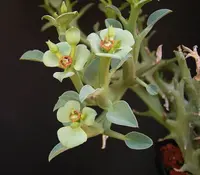
Oxalis thompsoniae is a small, bulb-forming perennial from high-altitude regions of Bolivia and northern Argentina. It grows in dry, rocky habitats with cool nights and strong light.

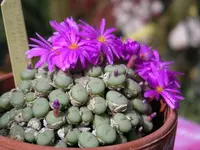
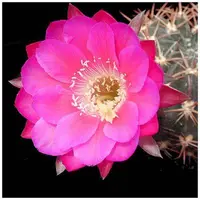
The plant forms low, dense clumps of trifoliate leaves, often gray-green or bluish, and produces bright magenta to pink funnel-shaped flowers above the foliage. It has a marked summer-dormant cycle in hot climates, which is important when planning how to care for Oxalis thompsoniae.

This species is generally considered undemanding if its need for sharp drainage and a dry rest period is respected. It grows well in containers, rock gardens, or alpine troughs with bright light and moderately moist, free-draining soil during active growth.

Main Plant Requirements

Care Difficulty

Moderate Care

Light Preference

Partial Sun

Water Requirements

Moderate Water

Temperature Preference

Warm Climate

Hardiness Zone

8–10

Soil Texture

Sandy, Loamy, Organic-rich

Soil pH

Acidic (5.5–6.5), Slightly acidic (6.5–7.0)

Soil Drainage

Well-drained

Fertilization

Light (every 4–6 weeks)

Get Personalized Care Plan

Scan your plant to receive care tips personalized for your specific plant

Available on iOS and Android

How to Care for the Oxalis thompsoniae

This species prefers bright conditions with some protection from intense midday sun.

  • Provide 4–6 hours of direct morning sun with light shade or filtered light from midday onward, especially in hot climates.
  • Tolerates open sun in cooler regions if soil does not dry out completely, but foliage can scorch under strong afternoon sun above 85°F (29°C).
  • In summer, monitor for pale, elongated leaves as a sign of insufficient light; in winter, accept some dormancy and reduced leaf growth as days shorten.

Watering should balance consistent moisture with good drainage to protect the bulbs from rot.

  • Before watering, let the top 2–3 cm of soil dry; soil below should stay slightly moist but never saturated.
  • During active growth, watch the foliage: drooping, limp leaves may signal dryness, while yellowing and soft stems often indicate overwatering or poor drainage.
  • In cool or dormant periods, reduce watering sharply, allowing the soil to dry almost completely between waterings so Oxalis thompsoniae bulbs rest safely.

This plant performs best in mild, frost-free conditions with moderate summer warmth.

  • Aim for 60–75°F (16–24°C) during active growth, which supports steady foliage and flowering without stress.
  • Protect from frost; growth usually stops near 40°F (4°C), and hard freezes below 32°F (0°C) can damage bulbs unless mulched or lifted and stored.
  • In hotter periods above 85°F (29°C), provide afternoon shade and slightly drier soil; some plants may enter a light summer dormancy until temperatures drop again.

This species manages well in typical indoor humidity but benefits from moderate moisture in the air.

  • Aim for 40–60% humidity to reduce leaf edge browning and wilting in Oxalis thompsoniae.
  • It tolerates drier air, but prolonged levels below 30% can cause curled, crispy leaf tips and slower growth.
  • Increase humidity locally with a nearby pebble tray, grouped plants, or a small humidifier rather than misting leaves.

This bulb-forming plant prefers a loose, sharply draining mix that dries slightly between waterings.

  • Use a mix of 50–60% peat- or coir-based potting mix with 30–40% perlite plus a small amount of fine bark for structure.
  • Aim for slightly acidic to neutral pH, roughly 6.0–7.0, which supports nutrient uptake and stable growth.
  • Ensure a crumbly, airy texture so tubers do not sit in compacted, waterlogged zones that promote rot.
  • Avoid heavy clay, dense garden soil, or mixes that stay wet for more than 3–4 days after watering.

This compact species is very suitable for container growing.

  • Choose a shallow but wide pot so the spreading tubers can form a mat without sitting in deep, wet soil layers.
  • Select a breathable terracotta or unglazed clay container if overwatering is likely, as these materials allow faster moisture loss.
  • Elevate the pot on feet or a stand so drainage holes stay clear and water can leave the container quickly.

This compact bulbous species benefits from light, targeted feeding during active growth but reacts poorly to overfertilization.

  • Use a balanced liquid fertilizer (around 10-10-10 or 20-20-20) diluted to 1/4–1/2 strength for Oxalis thompsoniae in containers.
  • Feed every 3–4 weeks during the main growing season, once new leaves have fully emerged and growth is steady.
  • Avoid heavy compost or rich slow-release pellets directly around the bulbs, which can cause soft, weak growth or rot.
  • Stop feeding completely during dormancy or winter rest and resume only when new shoots appear.

Pruning needs are minimal and focus on cleanliness and encouraging fresh foliage.

  • During active growth, remove yellowing, dead, or damaged leaves at the base using clean scissors or small snips.
  • Thin out crowded, weak stems to improve air flow and light penetration through the clump of Oxalis thompsoniae.
  • After flowering, trim spent flower stalks to keep the plant tidy and to direct energy back into bulbs and foliage.
  • Disinfect tools before and after use to reduce disease spread, especially in dense container plantings.

This species grows from small bulbs and prefers infrequent repotting or disturbance.

  • Plan to repot container plants every 2–3 years, or when roots and bulbs crowd the pot and growth becomes weak or sparse.
  • Carry out repotting in late winter to early spring, just before or as new shoots of Oxalis thompsoniae begin to emerge.
  • Gently separate and replant bulbs into fresh, sharply draining mix, setting them at the same depth and spacing them 2–3 cm apart.
  • Water lightly after repotting, keep in bright but indirect light, and avoid heavy watering until strong new growth shows.

This bulbous plant is most reliably propagated by division rather than by seed.

  • Lift clumps in late winter or early spring, when the plant is dormant or just starting into growth.
  • Separate offsets from the parent bulbs of Oxalis thompsoniae, choosing firm, undamaged bulbs of reasonable size.
  • Replant bulbs into well-drained soil or potting mix, placing them at their previous depth and spacing them slightly apart.
  • Keep the medium barely moist and provide bright, indirect light until new leaves confirm successful establishment.

This species needs protection from hard freezes, especially in cold climates and containers.

  • In regions colder than about 20–25°F, grow Oxalis thompsoniae in pots so they can be overwintered under cover.
  • Before hard frost, move containers indoors to a cool, bright spot or a frost-free, dry area for dormant storage.
  • In mild climates, apply a light mulch over in-ground bulbs to insulate the root zone without trapping excess moisture.

Care Tips

Manage Dormancy Cycle

When foliage yellows and dies back, stop watering, keep the pot dry and cool for 8–10 weeks, then resume light watering to trigger new growth instead of discarding the plant as dead.

Use Wide Shallow Pots

Plant the tubers in a wide, shallow container so they can spread horizontally, which encourages a fuller canopy and reduces the risk of rot compared with deep, narrow pots.

Rotate During Active Growth

Turn the pot 90° every 1–2 weeks during the growing season to keep stems short and evenly filled, preventing the plant from leaning or becoming lopsided toward the light source.

Control Self-Sowing

If grown outdoors, deadhead spent flowers before seed capsules mature to prevent unwanted self-seeding and to keep energy focused on tuber health and future growth.

Lift And Divide Tubers

Every 2–3 years, lift the dormant tubers, discard any that are soft or shriveled, and replant the firm ones with 1–2 cm of mix over them to rejuvenate the clump when caring for Oxalis thompsoniae.

Common Pests and Diseases

Spider mites

This pest favors the fine, divided foliage and can build up quickly in warm, dry conditions, causing pale stippling and fine webbing on leaves and stems.

Solution

Rinse foliage thoroughly with a strong but gentle stream of water, then increase humidity around plants and improve air movement; for persistent infestations, use insecticidal soap or a horticultural oil labeled for mites, repeating applications to catch new hatchlings when caring for Oxalis thompsoniae.

Aphids

These insects cluster on tender shoots and flower stalks, sucking sap and causing distortion, sticky honeydew, and sooty mold growth on the delicate foliage.

Solution

Pinch or rinse off colonies with water, remove heavily infested stems, and introduce or encourage natural predators outdoors; if needed, use insecticidal soap directed to the undersides of leaves and repeat at short intervals until populations collapse.

Powdery mildew

This disease appears as white, powdery patches on leaf surfaces, which can lead to yellowing and early leaf drop, especially when foliage stays dry but air is humid and stagnant.

Solution

Remove and discard affected leaves, space plants so foliage dries quickly, and avoid overhead watering; in recurring cases, apply a sulfur or potassium bicarbonate fungicide according to label directions at the first sign of new lesions.

Botrytis blight

This disease causes soft, water-soaked spots on leaves and flowers that quickly develop gray, fuzzy mold, especially in cool, damp, low-light conditions around the tubers and foliage.

Solution

Cut off and discard all infected tissue, improve air circulation, and allow the soil surface to dry slightly between waterings; in severe outbreaks, use a labeled fungicide and avoid splashing water on foliage to reduce reinfection.

Bulb/tuber rot

Symptoms include failure to sprout, yellowing, and collapse of foliage from the base, often due to fungal or bacterial infection of the underground tubers in poorly drained or waterlogged media.

Solution

Lift and inspect tubers, discarding all soft or discolored ones; replant only firm, healthy tubers in fresh, sharply drained mix, water sparingly during dormancy, and avoid leaving containers standing in saucers of water.

Interesting Facts

Compact cushion growth

This species forms a very low, tight cushion of foliage rather than loose clumps, an adaptation that helps it tolerate strong light and drying winds in its native high-elevation habitats of the southwestern United States.

Tuber-based survival

It survives seasonal drought and cold by retreating into small underground tubers, which store carbohydrates and allow the plant to resprout when conditions improve.

Cold-tolerant oxalis

Unlike many ornamental Oxalis from milder climates, this species is notably cold tolerant and can overwinter in open rock gardens in many temperate regions when given sharp drainage.

FAQs about Oxalis thompsoniae

This compact species suits bright indoor spots, especially cool windowsills or under grow lights. For successful Oxalis thompsoniae indoor care, give a defined rest period after flowering and avoid overpotting to prevent waterlogged soil and weak growth.

Grow Healthy Plants with Botan Care

Keep your plants happy and healthy with plant identification, disease detection, and easy care guidance.

Botan plant care app — identify plants on mobile

Explore More Plants