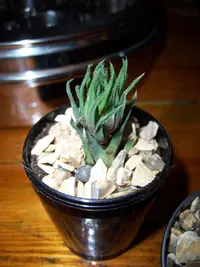
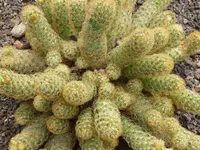
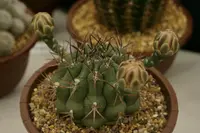
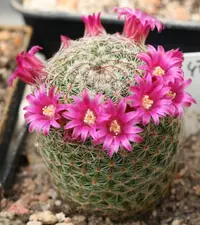
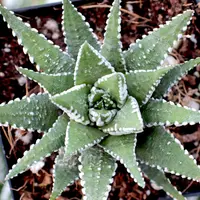
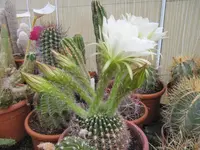
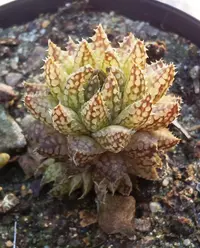
Hook Barrelwort Care (Euphorbia hamata)

Hook Barrelwort

About Hook Barrelwort

Hook barrelwort, Euphorbia hamata, is a small, sculptural succulent shrub known for its twisted, spine-tipped branches and sparse, tiny leaves. It forms a compact, branching clump that often looks more like a living tangle of thorns than a leafy plant.

This species is native to arid regions of South Africa, where it grows in rocky, fast-draining soils with intense sun and very limited rainfall. Its drought tolerance and slow growth make it suitable for careful container culture, but overwatering and poor drainage quickly damage the roots.

Those who want to learn how to care for Hook Barrelwort should focus on strong light, very gritty soil, and infrequent watering to mimic its natural habitat conditions.

Main Plant Requirements

Care Difficulty

Moderate Care

Light Preference

Full Sun

Water Requirements

Low Water

Temperature Preference

Tropical / Frost Sensitive

Hardiness Zone

10–11

Soil Texture

Sandy, Loamy, Rocky

Soil pH

Slightly acidic (6.5–7.0), Neutral (7.0)

Soil Drainage

Well-drained

Fertilization

Minimal (feed rarely)

Get Personalized Care Plan

Scan your plant to receive care tips personalized for your specific plant

Available on iOS and Android

How to Care for the Hook Barrelwort

This sun-loving South African succulent needs bright, mostly direct light to stay compact and well-spined.

  • Provide 6–8 hours of direct sun daily, ideally with strong morning sun and lighter afternoon exposure to reduce scorch risk.
  • Tolerates light afternoon shade or thin filtered light, but prolonged shade causes stretched, weak growth and dull color in Hook Barrelwort.
  • Outdoors, give maximum sun in cool months; in very hot summers, use 30–40% shade cloth or place where late-afternoon sun is softened.

This drought-adapted succulent stores water in its tissues and must dry well between waterings.

  • Allow the top 3–5 cm of soil to dry fully before watering; in hot active growth this may mean deep watering every 10–21 days in fast-draining soil.
  • In winter or cool, low-light periods, water sparingly, only when the mix is completely dry, as Euphorbia hamata is semi-dormant then.
  • Watch plant and soil: soft, yellowing, or blackening stems and a sour smell indicate overwatering, while shriveling and very light pots suggest it is time to water.

This species prefers warm, dry conditions with protection from frost and extreme heat.

  • Best growth occurs around 70–85°F (21–29°C) with low to moderate humidity and plenty of air movement around the plant.
  • Protect from cold below 40°F (4°C); brief drops to 32°F (0°C) may be tolerated if completely dry, but repeated frost damages tissues.
  • During heat waves above 95°F (35°C), increase shade and airflow and avoid watering during the hottest part of the day to reduce stress and rot risk.

Humidity is rarely critical for Euphorbia hamata, which prefers dry air similar to typical indoor conditions.

  • Aim for 30–50% humidity, avoiding persistently above 60%.
  • Tolerates centrally heated, dry rooms better than overly humid spaces.
  • Watch for soft, pale, or rotting stems in high humidity and improve air circulation or use a small fan if this appears.

This xerophytic succulent needs a sharply draining, mineral-based soil to prevent root and stem rot.

  • Use a gritty mix: 50–70% mineral components such as coarse sand, pumice, or fine gravel, with 30–50% cactus potting mix.
  • Structure should be loose and open so water runs through in seconds, not minutes.
  • Maintain slightly acidic to neutral pH around 6.0–7.2, which suits Euphorbia hamata plant care well.
  • Avoid peat-heavy, compact, or moisture-retentive mixes, and never allow the soil to stay wet or muddy.

This species is well suited to container culture due to its compact, succulent growth and low water demand.

  • Choose a wide, shallow pot to match the relatively shallow root system and reduce the risk of waterlogged lower zones.
  • Use unglazed terracotta if possible, as it allows faster evaporation and helps correct minor overwatering.
  • Place heavier top-dressing gravel on the soil surface to stabilize the plant and keep the container from tipping in strong wind.

Euphorbia hamata is a light feeder, so modest fertilization supports growth without forcing soft, weak tissue.

  • Use a balanced, low-strength liquid fertilizer (for example 10-10-10) diluted to 1/4–1/2 strength in well-watered soil.
  • Feed every 4–6 weeks during the active growing season, stopping if growth slows or foliage looks stressed.
  • Do not fertilize in winter dormancy; excess nutrients then can lead to root problems and salt buildup.
  • For Hook Barrelwort in very lean mixes, a small amount of slow-release granules can replace liquid feeding.

Euphorbia hamata needs only light, functional pruning to maintain a compact, healthy form.

  • Best time is late spring to early summer, once active growth is clear and risk of frost has passed.
  • Remove dead, damaged, or diseased stems first, cutting back to healthy tissue with clean, sharp scissors or pruners.
  • Thin crowded or overly long stems to improve airflow and light penetration, which helps prevent rot.
  • Make small, staged cuts rather than heavy reductions to avoid stressing the plant and to preserve its natural shape.

Container-grown Euphorbia hamata prefers infrequent repotting, as slight root crowding supports stable, compact growth.

  • Check for roots circling the pot, emerging from drainage holes, or unexplained slow growth as cues to repot.
  • Plan repotting in late spring, every 3–4 years, when temperatures are consistently warm and growth has started.
  • Move into a slightly larger pot with very free-draining cactus mix to limit waterlogging and root rot risk.
  • Minimize root disturbance, keep the root ball mostly intact, then water lightly and shade for a few days to reduce stress.

Propagation of Euphorbia hamata is usually done from cuttings, with care taken around the milky sap.

  • Take short, healthy stem cuttings in late spring or early summer, using a sterile, sharp blade.
  • Allow cut ends to dry and callus for several days before planting to reduce rot risk.
  • Insert cuttings into a gritty, barely moist cactus mix and keep in bright, indirect light with warm temperatures.
  • Maintain low humidity and avoid overwatering; roots typically form slowly, so disturb the cuttings as little as possible.

Euphorbia hamata is not frost hardy and needs thoughtful winter care, especially in cold or wet climates.

  • In regions below 40°F, grow in containers so plants can be moved indoors before frost arrives.
  • Provide a cool, bright indoor spot around 50–60°F with very sparse watering to match semi-dormant growth.
  • Ensure the soil dries almost completely between waterings to prevent root and stem rot in low light conditions.
  • Outdoors in mild climates, use a sharply drained bed and a light gravel mulch to keep the crown dry in winter rains.

Care Tips

Root-zone restraint

Use a relatively narrow, shallow terracotta pot to slightly restrict root spread, which helps keep stems compact and reduces the risk of water sitting around the taproot for too long.

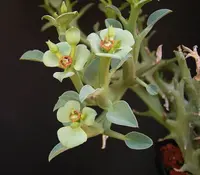
Controlled branching

Pinch or cut back only soft, actively growing tips in late spring to encourage denser branching while avoiding large wounds on older, woody sections that heal slowly.

Safe handling setup

Handle the plant with thick gloves and long sleeves, and keep a dedicated, clearly labeled pair of tools for this species to avoid accidental skin contact with the latex sap when caring for Hook Barrelwort.

Winter light boost

In winter, rotate the pot 90° every 2–3 weeks and, if possible, supplement with a small LED grow light to prevent weak, stretched growth during the darker season.

Targeted pest checks

Inspect the base of spines, stem joints, and lower stem segments every few weeks for mealybugs or scale, using a cotton swab dipped in 70% isopropyl alcohol to spot-treat any pests before they spread.

Common Pests and Diseases

Mealybugs

This pest commonly hides in the rib grooves and branching points of stems, sucking sap and causing yellowing, distortion, and sticky honeydew that can lead to sooty mold. Infestations are favored by dry indoor air and plants kept too shaded and crowded.

Solution

Remove visible insects with a cotton swab dipped in 70% isopropyl alcohol and repeat weekly until no new insects appear. For larger plants, use a strong lukewarm water spray to dislodge them, then apply a horticultural soap or light horticultural oil labeled for succulents, and improve light and airflow to reduce reinfestation.

Spider mites

These insects favor hot, dry conditions around the thin, jointed stems, causing fine stippling, pale patches, and eventual webbing between segments. Symptoms include slow growth and a dull, dusty look to the plant surface.

Solution

Increase humidity around the plant without wetting the soil constantly, then rinse stems thoroughly under a gentle shower or hose to remove mites and webbing. Follow up with repeated applications of insecticidal soap or neem oil every 5–7 days, making sure to cover all crevices where stems branch.

Scale insects

This pest appears as small, hard, brown or tan bumps along stems and at joints, where it feeds on sap and excretes honeydew that can attract ants and support black sooty mold. Affected plants may show weakened growth and occasional stem yellowing or dieback at heavily colonized nodes.

Solution

Manually scrape or rub off scales with a soft toothbrush or cloth moistened with diluted alcohol, taking care not to damage the epidermis of the succulent stems. For persistent problems, apply a horticultural oil or systemic insecticide specifically labeled for ornamental succulents, and keep the plant in bright, well-ventilated conditions to support recovery and reduce future outbreaks.

Fungal stem canker

This disease thrives on plants kept in cool, overly damp conditions, causing dark, sunken lesions on stems that may crack or ooze and eventually lead to dieback above the infected area. Symptoms include localized shriveling and collapse of individual segments, often after mechanical damage or overwatering.

Solution

Promptly cut out affected stem sections back into firm, healthy tissue using a sterile, sharp knife and allow cuts to dry and callus in a bright, airy place. Reduce watering, increase light and airflow, and avoid wetting stems; in collections with repeated issues, a targeted fungicide labeled for succulent stem diseases can be used on early lesions.

Bacterial soft rot

This disease often enters through wounds or cracked tissue and progresses rapidly in warm, wet conditions, turning stems soft, water-soaked, and foul-smelling. Symptoms include sudden collapse of segments and spreading mushy areas that discolor from green to brown or black.

Solution

Isolate the plant immediately and remove all affected tissue well into firm, healthy stem, sterilizing tools between cuts; severely affected plants are often best discarded to protect nearby succulents. Allow remaining healthy cut surfaces to dry completely in a dry, bright spot, then re-root sound segments in fresh, sharply draining mix while avoiding overhead watering and crowded, humid storage areas during future Euphorbia hamata care.

Interesting Facts

Hooked stem architecture

This species develops long, wiry, zigzagging stems armed with stiff, hook-like side branches that help the plant anchor into surrounding low shrubs in its native South African habitats.

Seasonal leaf strategy

Euphorbia hamata carries tiny, short-lived leaves mainly on young growth and relies later on its green, photosynthetic stems to reduce water loss in its semi-arid environment.

Latex-based defense

Like many spurges, it produces a white, latex-like sap rich in irritating chemicals that deter most herbivores from feeding on its soft tissues.

FAQs about Hook Barrelwort

Poor flowering usually comes from insufficient light, overly rich or wet soil, or heavy shade in winter. Keep it in bright conditions, avoid high-nitrogen fertilizer, and allow a cool, dry rest period to trigger flower production.

Grow Healthy Plants with Botan Care

Keep your plants happy and healthy with plant identification, disease detection, and easy care guidance.

Botan plant care app — identify plants on mobile

Explore More Plants