rock lily Care (Bulbine glauca)

rock lily

About rock lily

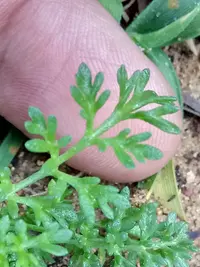
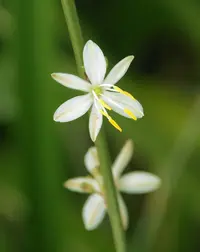
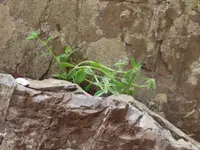
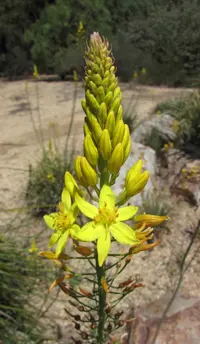
Bulbine glauca, commonly called rock lily, is a small, clumping perennial from rocky grasslands and open slopes in south‑eastern Australia. It forms compact tufts of narrow, blue‑green leaves with slender stems topped by soft yellow star-shaped flowers. The plant has a tidy, low-growing habit that suits rock gardens, containers, and borders. It is generally considered undemanding, provided it has good drainage and moderate moisture. Rock lily prefers sunny, open positions and soils that do not stay wet for long periods. These traits make it a practical choice for gardeners looking to learn how to care for rock lily without complex requirements.

Main Plant Requirements

Care Difficulty

Easy Care

Light Preference

Full Sun

Water Requirements

Low Water

Temperature Preference

Cool Climate

Hardiness Zone

8–10

Soil Texture

Sandy, Loamy, Rocky

Soil pH

Acidic (5.5–6.5), Slightly acidic (6.5–7.0)

Soil Drainage

Well-drained

Fertilization

Minimal (feed rarely)

Get Personalized Care Plan

Scan your plant to receive care tips personalized for your specific plant

Available on iOS and Android

How to Care for the rock lily

Bulbine glauca benefits from bright, open conditions that mimic its native rocky habitats.

  • Provide 6–8 hours of direct sun daily; morning sun with light afternoon shade suits most gardens, especially in hotter regions.
  • It tolerates light or dappled shade, but rock lily grown in less than 4–5 hours of sun may stretch, flower poorly, and lose compact form.
  • In very intense summer sun, protect from harsh late-afternoon exposure to reduce leaf scorch and moisture stress.

Bulbine glauca prefers slightly dry, free-draining conditions rather than consistently wet soil.

  • Water when the top 3–5 cm of soil feels dry, then soak thoroughly so excess drains away, especially in sandy or gravelly beds.
  • Reduce watering in cool seasons when growth slows; in hot, dry periods, monitor foliage and soil more often instead of following a fixed schedule.
  • Signs of overwatering include yellowing, soft leaf bases, and root rot in poorly drained soil; underwatering shows as shriveling, limp leaves, and stalled flowering.

This species handles a wide temperature range but grows best in mild, temperate conditions.

  • Aim for active growth in 60–75°F (16–24°C), which supports steady foliage and flowering without stress.
  • Mature plants often survive brief drops to about 25°F (−4°C), but repeated hard frosts can damage crowns; mulch lightly in colder climates.
  • Heat-tolerant up to about 90–95°F (32–35°C) if soil is well drained; in extreme heat, slight afternoon shade and avoiding waterlogged soil prevent stress.

This species handles typical home humidity well and rarely needs special adjustment.

  • Aim for 30–50% humidity, as rock lily prefers relatively dry, airy conditions similar to open rocky sites.
  • Dry indoor air is usually tolerated, but prolonged hot drafts can cause leaf tips to brown and flower stalks to shrivel.
  • If air is extremely dry and hot, increase local humidity slightly by grouping plants or placing the pot near, not on, a pebble tray with water.

Bulbine glauca prefers lean, very free-draining soil that mimics rocky or sandy habitats.

  • Use a sandy or gritty mix, such as 50–60% coarse sand or fine gravel combined with 40–50% loam-based potting mix.
  • Ensure rapid drainage; water should flow through in seconds and not leave the mix heavy or muddy.
  • Keep pH slightly acidic to neutral, around 6.0–7.0, as this range supports healthy root function and nutrient uptake.
  • Improve aeration and prevent rot by adding perlite or pumice and avoiding heavy clay, peat-heavy, or compacted garden soil.

This species is well suited to container growing outdoors in bright, open conditions.

  • Choose a wider, shallow pot that allows its fibrous roots to spread while keeping the crown near the surface.
  • Use a heavy or terracotta container if the site is windy so the clump and flowering stems do not tip the pot.
  • Raise the pot on feet or pot risers so drainage holes stay clear and excess water exits quickly after rain or watering.

Bulbine glauca benefits from light, targeted feeding rather than heavy fertilization.

  • Use a balanced, dilute liquid fertilizer (around 10-10-10) at 1/2 strength every 4–6 weeks during spring and summer for growing rock lily.
  • Alternatively, top-dress with a thin layer of compost once in spring to support steady growth.
  • Choose slow-release granules only in very lean soils, worked lightly into the top 2–3 cm and watered in.
  • Stop feeding in fall and winter, as the plant slows growth and excess nutrients can cause weak, soft foliage.

Bulbine glauca benefits from light, periodic pruning to stay compact and flowering well.

  • Best timing is late winter to early spring, with light touch-ups after main flowering flushes.
  • Remove dead, yellowing, or damaged leaves at the base using clean, sharp scissors or hand pruners.
  • Shear off spent flower stalks just above the foliage to encourage fresh blooms and a tidy mound.
  • Thin crowded clumps slightly to improve air flow and maintain a neat, low-growing shape over time.

This species prefers to stay slightly root-bound and is usually transplanted only when necessary.

  • Look for roots circling the pot base, water running straight through, or noticeably slow growth as signs to repot.
  • Plan repotting or garden transplanting for early spring, just before strong new growth starts.
  • Expect to move container plants only every 2–3 years, stepping up just 1 pot size into a gritty, free-draining mix.
  • Handle the root ball gently, loosen circling roots lightly, water well after planting, and shade from harsh sun for 3–5 days to reduce stress.

Bulbine glauca is commonly propagated by division or seed under suitable conditions.

  • Divide mature clumps in early spring, lifting carefully and separating natural offsets with hands or a clean knife.
  • Replant divisions into free-draining soil, keeping crowns at the same depth and watering lightly until established.
  • Sow fresh seed in late winter to spring on the surface of a sandy seed mix, barely covering and keeping just moist.
  • Provide bright, indirect light and cool to mild temperatures (55–65°F) for steady germination and strong early growth.

This species is relatively cold hardy but benefits from simple winter care in colder regions.

  • Tolerates light frosts; in areas below about 20°F, treat as marginally hardy and monitor closely.
  • Apply a 3–5 cm layer of dry mulch around, but not touching, the crown to insulate the root zone.
  • In containers, move pots to a sheltered, frost-free spot with bright light and very sparing water.
  • Trim back any mushy or winter-damaged foliage in late winter, before new growth resumes.

Care Tips

Encourage clumping

Lift and divide congested clumps every 3–4 years in late winter, replanting healthy outer sections to maintain vigor and create a denser, more floriferous drift.

Winter drainage check

Before winter rains, top up gravel or coarse sand around the crown so water sheds away from the plant base, which reduces crown rot risk in heavy or compacted soils.

Targeted deadheading

Cut spent flower stems back to the basal leaves as soon as they fade to direct energy into root and clump development rather than seed production.

Low-input pest scouting

Inspect foliage and crowns every few weeks in warm, wet periods for aphids or snails and remove them manually or with a directed jet of water before populations build up.

Container refresh cycle

For plants grown in pots, refresh the top 2–3 cm of mix with fresh, free-draining medium and a light slow-release fertilizer every spring to maintain nutrient balance and root aeration when growing rock lily.

Common Pests and Diseases

Aphids

This pest feeds on soft new growth, causing distorted leaves and sticky honeydew on foliage and flower stalks. Symptoms include reduced vigor and occasional sooty mold growing on the honeydew deposits.

Solution

Rinse stems and leaves with a firm stream of water to dislodge colonies, then spot-treat remaining clusters with insecticidal soap or a ready-to-use neem oil spray, repeating every 5–7 days until populations collapse. Encourage lady beetles and hoverflies by avoiding broad-spectrum insecticides in the surrounding garden.

Mealybugs

These insects appear as white, cottony clusters in leaf bases and along flower stems, where they suck sap and weaken the plant. Symptoms include yellowing foliage, poor flowering, and sticky residues around infestations.

Solution

Isolate affected plants, then dab visible mealybugs with cotton swabs dipped in 70% isopropyl alcohol, repeating weekly until no new insects appear. For heavier infestations, use an insecticidal soap or horticultural oil spray directed into leaf bases and crevices, making sure plants are not stressed by heat or drought at the time of treatment.

Snails and slugs

This pest group feeds on fleshy leaves and young shoots, leaving irregular holes, shredded edges, and slime trails on or around plants. Symptoms include sudden loss of foliage tips and damage concentrated near soil level, especially after rain or overhead watering.

Solution

Hand-pick snails and slugs at dusk or early morning and remove sheltering debris such as dense mulch touching crowns or low-lying pots. If damage persists, place iron-phosphate slug pellets or beer traps around clumps of Bulbine glauca, keeping baits out of reach of pets and children.

Leaf spot

This disease causes small tan or brown spots that may merge into larger lesions on older leaves, often starting in humid or poorly ventilated conditions. Symptoms include premature yellowing and dieback of affected foliage while new growth remains relatively healthy.

Solution

Remove and discard spotted leaves to reduce spore spread, then improve air circulation by thinning dense clumps and avoiding prolonged overhead watering. If conditions remain wet and spots continue to develop, a copper-based fungicide labelled for ornamental perennials can be applied to protect new foliage, following label directions carefully.

Crown rot

This disease develops in waterlogged or compacted soil, leading to soft, browning tissue at the base of the rosette and collapse of leaves. Symptoms include sudden wilting despite moist soil and a foul smell around the crown area.

Solution

Uproot affected plants, discard all rotten tissue, and replant only firm, healthy divisions into sharply drained soil or a gritty container mix. Prevent recurrence by using raised beds or mounded planting sites, limiting irrigation to dry periods, and avoiding organic mulches pressed tightly against the crown, which is central to Bulbine glauca care instructions in wet climates.

Interesting Facts

High-altitude specialist

This species naturally occurs in alpine and subalpine habitats of southeastern Australia, where it tolerates cold, wind, and periodic light frosts better than many other Bulbine species.

Distinctive blue foliage

Its narrow, grass-like leaves often show a bluish to glaucous (blue-gray, waxy) tone, which helps reduce water loss by reflecting light and limiting surface evaporation.

Short-lived but persistent

Although often described as short-lived in cultivation, it maintains populations in the wild through regular self-seeding and the ability to regenerate from its fibrous root system after environmental stress.

Botan icon

Did you know?

Bulbine glauca is one of relatively few Bulbine species native to cooler, higher-elevation regions, making it an outlier in a genus that is otherwise mostly associated with warmer, more arid environments.

FAQs about rock lily

Lack of flowers often comes from insufficient light, nutrient-poor or very rich soil, or plants that are still immature. Ensure good sun exposure, moderate feeding, and avoid cutting healthy foliage just before the normal flowering season.

Grow Healthy Plants with Botan Care

Keep your plants happy and healthy with plant identification, disease detection, and easy care guidance.

Botan plant care app — identify plants on mobile

Explore More Plants