Portulaca cryptopetala Care

Portulaca cryptopetala

About Portulaca cryptopetala

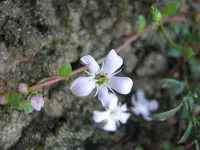
Portulaca cryptopetala is a small, sun-loving succulent herb in the purslane family. It typically forms low, spreading mats with fleshy leaves and delicate flowers. The plant is native to South America, where it grows in open, dry habitats with strong light and well-drained soils.

Its compact growth habit and drought tolerance make it relatively easy to maintain in warm, bright conditions. Those learning how to care for Portulaca cryptopetala should focus on providing plenty of light, avoiding waterlogged soil, and protecting it from prolonged cold or frost.

Main Plant Requirements

Care Difficulty

Easy Care

Light Preference

Full Sun

Water Requirements

Low Water

Temperature Preference

Tropical / Frost Sensitive

Hardiness Zone

Unknown

Soil Texture

Sandy, Loamy, Rocky

Soil pH

Slightly acidic (6.5–7.0), Neutral (7.0)

Soil Drainage

Well-drained

Fertilization

Minimal (feed rarely)

Get Personalized Care Plan

Scan your plant to receive care tips personalized for your specific plant

Available on iOS and Android

How to Care for the Portulaca cryptopetala

This sun-loving succulent thrives in bright, open locations with strong light exposure.

  • Provide 6–8 hours of direct sun daily; morning to mid-afternoon sun promotes compact growth and abundant flowering in Portulaca cryptopetala.
  • In hot interiors of the US, give some light afternoon shade or filtered light after 2–3 pm to reduce leaf scorch and flower fade.
  • If stems stretch or flowering drops, light is too low; move to a brighter, unobstructed spot, especially from late spring through summer.

This species prefers infrequent, deep watering and dries quickly due to its succulent leaves and stems.

  • Water only when the top 3–5 cm of soil are completely dry; in hot, sunny weather this may mean anywhere from every few days to weekly.
  • Use very fast-draining, sandy or gritty soil so water runs through within seconds and roots do not sit in soggy conditions.
  • Signs of overwatering include yellow, mushy stems and root rot smell; underwatering shows as shriveling, limp foliage that recovers after a thorough soak.

This plant favors warm, dry conditions and behaves as a heat-tolerant annual in many climates.

  • Aim for 70–90°F (21–32°C) during active growth; flowering is strongest in consistently warm weather with plenty of sun.
  • Protect from cold; growth slows below 60°F (16°C) and plants are typically killed by frost near 32°F (0°C).
  • In heat waves above 95°F (35°C), flowering may pause; ensure excellent airflow and avoid heat radiating from dark walls or pavement to prevent stress.

This succulent tolerates a wide humidity range and usually does not need special humidity management indoors or outdoors.

Soil for Portulaca cryptopetala must stay very well drained and airy to protect its succulent roots from rot.

  • Use a gritty, sandy mix such as 50–60% coarse sand or fine gravel blended with cactus potting mix.
  • Aim for slightly acidic to neutral pH around 6.0–7.0, avoiding strongly acidic or alkaline conditions that limit nutrient uptake.
  • Improve drainage and aeration by adding perlite or pumice, keeping the mix loose rather than compacted.
  • Avoid clay-heavy, peat-heavy, or water-retentive mixes, since prolonged wetness quickly leads to root and stem rot.

This species is well suited to container growing, especially in sunny, dry locations.

  • Choose a wide, shallow pot that allows the spreading roots and stems to fill the surface without creating a deep, wet soil column.
  • Use a container material like terracotta that allows moisture to evaporate faster, preventing soggy conditions around succulent roots.
  • Ensure large, unobstructed drainage holes so excess water exits rapidly and the lower layer of the mix never stays waterlogged.

This drought-tolerant succulent needs only light feeding to maintain compact, floriferous growth.

  • Use a low-dose balanced liquid fertilizer (around 10-10-10) at 1/4 strength for Portulaca cryptopetala in very lean soils.
  • Apply once every 4–6 weeks during the warm growing season if growth or flowering seems weak.
  • Avoid rich compost or heavy slow-release products, which encourage soft, leggy stems and fewer flowers.
  • Stop feeding in fall and winter when growth slows or plants are dormant.

Pruning is mainly used to keep Portulaca cryptopetala tidy and flowering well.

  • Best time is during active growth in late spring and summer, after a flush of flowers fades.
  • Pinch or trim back leggy, sprawling stems by 2–5 cm to encourage denser, mounded growth.
  • Remove dead, damaged, or crowded stems with small clean scissors or snips to improve air flow.
  • Deadhead spent flower clusters lightly to promote continued blooming without stressing the plant.

This plant is short-lived and usually grown in beds or shallow containers, so transplanting is simple.

  • Transplant in late spring after frost, when seedlings have several true leaves and handle disturbance better.
  • Signs a container plant needs shifting include roots circling the pot, very fast drying soil, or stunted growth.
  • Move into a shallow, wide container with sharply drained sandy mix, keeping the root ball just intact.
  • Work on a cool, overcast day, water lightly after transplanting, and avoid heavy watering until new growth resumes.

Portulaca cryptopetala is commonly propagated from seeds and soft stem cuttings.

  • Sow seeds in late spring on the surface of a very well-drained, sandy mix and press gently without covering heavily.
  • Maintain 70–80°F, bright light, and slightly moist but never wet substrate for reliable germination.
  • For cuttings, take 5–7 cm non-woody tips, let wounds dry for several hours, then place in dry, sandy mix.
  • Keep cuttings warm and bright, mist sparingly, and allow the mix to dry between light waterings to avoid rot.

This warm-season succulent is not frost hardy and needs protection in cold climates.

  • Tolerates only light brief chills; sustained temperatures below 32°F usually kill plants.
  • Treat outdoor plantings as annuals in frosty regions, replanting from seed or cuttings each spring.
  • For containers, move plants indoors to a bright, cool, frost-free spot before the first hard frost.
  • Water very sparingly indoors in winter, allowing the soil to dry almost completely between waterings.

Care Tips

Encourage compact growth

Pinch back the soft tips of overly long stems every 2–3 weeks during active growth to keep plants dense, reduce lodging, and stimulate more flowering side shoots.


Use low-nitrogen feed

If growth is lush but flowers are sparse, switch to a low-nitrogen, higher-phosphorus liquid fertilizer at half strength every 3–4 weeks to favor blooms over foliage.

Optimize container depth

Choose shallow, wide containers (10–15 cm deep) with large drainage holes, which suit the plant’s relatively shallow root system and improve aeration in hot, dry sites.

Rotate for even flowering

Rotate pots or trays a quarter turn every 7–10 days so all sides receive similar light exposure, leading to more uniform flowering and preventing one-sided, leaning growth.

Plan for re-sowing

In regions with cool or wet winters, collect seed from the driest, fully mature capsules at season’s end and store it dry and cool so you have locally adapted material for growing Portulaca cryptopetala the following year.

Common Pests and Diseases

Aphids

These insects cluster on young shoots and flower buds, sucking sap and causing distortion, sticky honeydew, and reduced flowering.

Solution

Rinse colonies off soft stems and buds with a firm stream of water, then inspect weekly and repeat as needed; for persistent infestations, use insecticidal soap or a ready-to-use neem oil spray, making sure to coat the undersides of stems and buds and avoid spraying during strong sun or high heat.

Mealybugs

These insects appear as small white cottony clusters at stem joints and on succulent stems, leading to yellowing and stunted growth if populations build up.

Solution

Remove visible clusters with a cotton swab dipped in isopropyl alcohol, then follow up with a light application of insecticidal soap to stems and joints, repeating every 7–10 days until no new insects appear and avoiding overwatering, which favors outbreaks in Portulaca cryptopetala care.

Spider mites

These pests thrive in hot, dry conditions, causing fine webbing on stems and a dusty, pale appearance to foliage segments or new growth points.

Solution

Increase humidity around the plant slightly by misting the air (not soaking the plant) and spray stems thoroughly with a strong stream of water to dislodge mites, then apply a miticidal soap or neem oil product every 5–7 days for several cycles, focusing on sheltered crevices and avoiding treatment during intense midday sun.

Botrytis blight

This disease causes soft, water-soaked spots on succulent stems and flower tissue that may develop gray fuzzy mold in cool, humid or overcrowded conditions.

Solution

Promptly remove and discard all affected stems and flowers, then improve air circulation by thinning crowded growth and avoiding overhead watering, and if conditions stay cool and damp, consider a preventative fungicide labeled for ornamental bedding plants applied according to the product directions.

Stem base rot

Symptoms include sudden collapse of segments from the base, with dark, mushy tissue at soil level, often triggered by warm, wet conditions in poorly drained media.

Solution

Uproot and discard plants with extensive rot, then replant healthy cuttings into fresh, very well-draining sandy or gritty soil, reduce irrigation so the top layer dries fully between waterings, and avoid dense, water-retentive potting mixes to limit future infections when trying to grow Portulaca cryptopetala.

Interesting Facts

Hidden-petal flowers

The flowers have petals that are partly concealed by the calyx tube, a feature that inspired the species name cryptopetala, meaning hidden petals, and distinguishes it from many other Portulaca species with more exposed petals.

South American origin

This species is native to parts of South America, where it occurs in open, sunny habitats and contributes to low-growing groundcover communities in seasonally warm, dry sites.

Succulent drought strategy

Like many Portulaca species, it has succulent, water-storing tissues that allow it to withstand periods of limited rainfall, an important adaptation for growing Portulaca cryptopetala in dry or high-heat locations.

FAQs about Portulaca cryptopetala

This species forms low, spreading mats but is not usually aggressive in gardens. It spreads slowly by short stems, staying close to where it is planted, especially in poorer soils or containers with limited space.

Grow Healthy Plants with Botan Care

Keep your plants happy and healthy with plant identification, disease detection, and easy care guidance.


Botan plant care app — identify plants on mobile

Explore More Plants