Root-zone mulching
Apply a 5–8 cm layer of composted bark or leaf mold over the root zone, keeping it 5 cm away from the stems, to keep roots cool, reduce water stress, and limit competition from weeds.

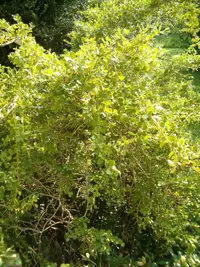
Littleleaf boxwood (Buxus microphylla) is an evergreen shrub valued for its small, dense leaves and naturally compact, rounded form. It is widely used for low hedges, borders, and clipped shapes in formal gardens.
This species originates from parts of East Asia, where it grows in woodland and hillside habitats. Its slow to moderate growth and strong response to pruning make it highly adaptable to shaped or structural planting.
Littleleaf boxwood prefers consistent moisture, well-drained soil, and protection from harsh drying winds. Once established, it is relatively forgiving, so learning how to care for littleleaf boxwood is manageable for most home gardeners.

Care Difficulty
Moderate Care

Light Preference
Partial Sun

Water Requirements
Moderate Water

Temperature Preference
Cold Hardy

Hardiness Zone
5–9

Soil Texture
Sandy, Loamy, Clay

Soil pH
Slightly acidic (6.5–7.0), Slightly alkaline (7.0–7.5)

Soil Drainage
Moist but well-drained

Fertilization
Minimal (feed rarely)
Scan your plant to receive care tips personalized for your specific plant
Available on iOS and Android
This shrub prefers bright, gentle light and handles partial shade well in most landscapes.
This species prefers evenly moist, well-drained soil rather than frequent, shallow watering.
This evergreen shrub is cold hardy yet benefits from stable, moderate temperatures during active growth.
This shrub handles a range of outdoor humidity but performs best with moderate air moisture.
This species prefers stable, moderately moist, well-structured soil with reliable drainage.
This species is suitable for container growing, especially for patios and entryways.
Balanced feeding supports dense foliage and steady growth in littleleaf boxwood during the active season.
Pruning Buxus microphylla maintains a compact form and healthy, well-lit interior growth.
Container-grown plants and young hedging stock benefit from occasional repotting or transplanting to sustain root health.
New plants are most commonly produced from semi-hardwood cuttings taken from healthy Buxus microphylla stock.
This species is generally cold hardy but benefits from simple winter care, especially in exposed or container situations.

Plant Health Check
Not sure what's wrong with your plant? Check your plant's health inside the app.
This species develops very small, opposite leaves and many short lateral shoots, creating a naturally compact, cloud-like canopy that responds well to fine clipping and detailed topiary work.
Littleleaf boxwood shows relatively high tolerance to air pollution, pruning, and reflected heat compared to many other evergreen shrubs, which is why it is widely used in city streetscapes and formal urban plantings.
The species is native to Japan and Taiwan, where it grows on rocky hillsides and open woodlands, and modern landscape cultivars have been selected from this genetic background for cold tolerance and dense growth, supporting Buxus microphylla care in temperate gardens.

Historic Japanese gardens have used this species for centuries in low hedges and clipped mounds, and several long-established temple gardens still maintain very old, continuously pruned specimens that illustrate traditional training techniques passed down over generations.
Yellowing foliage often results from poor drainage, root rot, winter burn, or nutrient imbalance. Check soil moisture, ensure excess water can drain, inspect roots, then correct issues before considering fertilizer or more advanced Buxus microphylla care measures.
Keep your plants happy and healthy with plant identification, disease detection, and easy care guidance.