Calandrinia caespitosa Care

Calandrinia caespitosa

About Calandrinia caespitosa

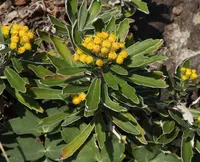
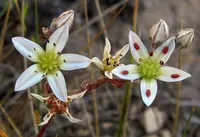
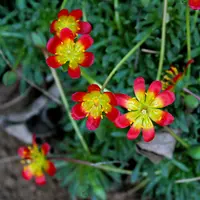
Calandrinia caespitosa is a compact, mat-forming perennial succulent native to dry regions of South America. It forms low cushions of fleshy gray-green leaves that store water. In season, it produces small, bright pink to magenta flowers held just above the foliage, creating a colorful carpet effect in rock gardens or containers.

This species prefers sunny, open sites and very well-drained, gritty soil, reflecting its origin in arid, rocky habitats. Its drought tolerance and modest nutrient needs make it relatively simple for gardeners who understand how to care for Calandrinia caespitosa, though prolonged wet conditions can cause root problems.

Main Plant Requirements

Care Difficulty

Easy Care

Light Preference

Full Sun

Water Requirements

Low Water

Temperature Preference

Warm Climate

Hardiness Zone

8–10

Soil Texture

Sandy, Loamy, Rocky

Soil pH

Slightly acidic (6.5–7.0), Neutral (7.0)

Soil Drainage

Well-drained

Fertilization

Minimal (feed rarely)

Get Personalized Care Plan

Scan your plant to receive care tips personalized for your specific plant

Available on iOS and Android

How to Care for the Calandrinia caespitosa

This compact succulent prefers strong sun but benefits from some protection in very hot climates.

  • Provide 6–8 hours of direct sun daily, ideally with morning sun and light afternoon shade in hot, inland areas.
  • In coastal or cooler regions, full sun all day supports dense growth and abundant flowers on Calandrinia caespitosa.
  • Watch leaves for stress: bleached, crispy foliage indicates too much intense afternoon sun, while elongated, floppy stems signal insufficient light.

This drought-tolerant plant prefers thorough but infrequent watering in sharply draining soil.

  • Water only when the top 3–5 cm of soil are completely dry, then soak the root zone and let excess drain away.
  • Reduce watering strongly in fall and winter; in cool, wet climates, natural rainfall may be sufficient on well-drained sites.
  • Improve drainage with gritty or sandy soil; yellowing, soft leaves suggest overwatering, while shriveling, thin leaves indicate prolonged dryness.

This species thrives in warm, dry conditions and dislikes prolonged cold or frost.

  • Aim for 65–80°F (18–27°C) during active growth, which supports steady foliage and flower production.
  • Protect from frost; brief dips to 30–32°F (-1–0°C) may damage leaves, and repeated freezes can kill the plant.
  • In hot spells above 90°F (32°C), it tolerates heat if soil drains quickly and plants receive slight afternoon shade to limit stress.

This species is adapted to dry conditions and rarely needs special humidity management indoors.

  • Target 30–50% relative humidity, similar to most heated or air-conditioned homes.
  • Dry air is usually tolerated; issues arise more from overwatering than from low humidity.
  • If leaf tips shrivel or flower buds abort in very arid rooms, group pots together or place on a pebble tray to slightly raise local humidity.

This plant prefers very fast-draining, mineral-rich soil that mimics a rocky, sandy habitat.

  • Use a gritty mix such as 50–60% cactus potting mix blended with coarse sand or fine gravel to prevent water retention around the roots.
  • Ensure strong drainage structure with large mineral particles (2–5 mm) so air can move freely between them, reducing root-rot risk.
  • Aim for slightly acidic to neutral pH, around 6.0–7.0, which suits most tap-water conditions without special adjustment.
  • Avoid heavy, peat-dominant, or compacted mixes; if existing soil stays wet for more than 2 days, lighten it by adding extra perlite and coarse sand.

This species is well suited to container growing when provided with sharp drainage and a low, stable pot.

  • Select a wide, shallow container that matches the plant’s spreading, shallow root system rather than a deep, narrow pot.
  • Choose unglazed terracotta if extra evaporation is needed, as it dries faster than plastic and reduces excess moisture around roots.
  • Elevate the pot on feet or a stand so water can exit the drainage holes completely and not reabsorb from a saturated saucer.

This desert perennial stays compact and flowers well with only modest feeding.

  • Use a light application of balanced granular fertilizer (for example 10-10-10) or a thin layer of compost in early spring to support growing Calandrinia caespitosa.
  • During the main growing season, feed every 6–8 weeks at half the label strength to avoid lush, weak growth.
  • Skip or greatly reduce feeding in winter or any dormant, hot-dry rest period, as nutrient demand is low.
  • Always water lightly after applying fertilizer, and avoid getting product on leaves to limit burn risk.

Pruning is mainly used to keep this low succulent tidy and flowering well.

  • In late winter or early spring, remove dead, damaged, or winter-burned stems with clean, sharp scissors or snips.
  • After main flowering flushes, shear back spent flower stalks to encourage a neater mound and possible rebloom.
  • Thin out congested, leggy stems at the base to improve air flow and maintain a compact habit.
  • Disinfect tools before and after use to reduce the chance of spreading diseases between plants.

Container-grown plants and crowded garden clumps benefit from occasional transplanting rather than frequent repotting.

  • Check for roots circling the pot drainage holes, slow growth despite good light, or soil drying out too fast as signs it needs a larger container.
  • Plan repotting or garden transplanting in early spring, before strong new growth, to reduce heat stress on Calandrinia caespitosa.
  • Move up only 2–5 cm in pot diameter, using a very free-draining, sandy mix to avoid waterlogging and root rot.
  • Water lightly after moving, then keep soil just barely moist for 1–2 weeks while roots re-establish, avoiding heavy fertilization during this time.

This species is usually propagated from seed but can also be multiplied by soft stem cuttings in warm conditions.

  • Sow fresh seeds in late winter or early spring on a gritty, well-drained seed mix, barely covering them with substrate.
  • Maintain bright light, gentle warmth around 65–75°F, and slightly moist (not wet) soil to support even germination.
  • For cuttings, take non-flowering shoots in late spring, allow cut ends to dry briefly, then insert into dry, sandy mix.
  • Keep cuttings in bright, indirect light with minimal watering until roots form, then transition gradually to normal care.

This plant dislikes prolonged freezing and benefits from simple winter precautions in colder climates.

  • In mild climates with brief light frosts, a porous mulch layer around the root zone helps buffer soil temperature and drainage.
  • In regions below about 25°F, treat it as a tender perennial or annual, or grow in containers for easier management.
  • Move pots under cover or indoors to a bright, cool, frost-free spot when repeated hard frosts are forecast.
  • Keep winter watering minimal so soil stays mostly dry, reducing the risk of cold-related root rot.

Care Tips

Encourage Compact Growth

Trim back the longest, most sprawled stems by 3–5 cm after each main flush of flowers to keep the mound dense and to stimulate new flowering shoots from the base.

Improve Heat Resilience

In regions with intense summer sun, add a light, pale-colored gravel mulch around the crown to reflect heat, keep the root zone slightly cooler, and reduce soil splash on leaves.

Support In Containers

In pots, plant in a wide, shallow container and position trailing stems so they spill over the rim, which reduces stem breakage at the crown and improves air flow around foliage.

Extend Bloom Season

Deadhead entire flower stalks once most blooms on that stem have faded, cutting back to just above a leafy node to redirect energy into producing new inflorescences over a longer period.

Plan For Short Lifespan

Because plants can be short-lived, collect seed from the earliest healthy capsules and sow a small batch every 1–2 years so that growing Calandrinia caespitosa becomes a continuous succession rather than a one-time planting.

Common Pests and Diseases

Aphids

These insects cluster on tender stems and flower stalks, sucking sap and causing distortion, sticky honeydew, and reduced flowering. Symptoms include curled new growth and sometimes sooty mold growing on the honeydew.

Solution

Rinse colonies off with a firm stream of water, then spot-treat remaining insects with insecticidal soap or a ready-to-use neem oil spray, applied in the early morning or evening. Encourage natural predators such as lady beetles outdoors, and avoid excess nitrogen fertilizer that drives soft, aphid-prone growth.

Mealybugs

These insects appear as white, cottony clusters in leaf axils and along stems, weakening plants by sucking sap and sometimes causing yellowing and poor flowering. This pest often hides in tight crevices on this compact, mat-forming species.

Solution

Isolate affected plants, then dab visible mealybugs with cotton swabs dipped in 70% isopropyl alcohol and repeat weekly until no new insects appear. For heavier infestations, use insecticidal soap or neem oil, focusing on protected stem joints, and avoid overfertilizing, which can support rapid reinfestation.

Spider mites

These pests thrive in hot, dry conditions around this desert-adapted succulent, causing fine stippling on leaves, dull color, and delicate webbing between stems. Symptoms include slowed growth and a general grayish cast to foliage.

Solution

Increase humidity around potted plants slightly without keeping the soil wet, then wash stems and leaves thoroughly with water to remove mites and webbing. Follow with repeated applications of insecticidal soap or horticultural oil, making sure to coat all surfaces, especially undersides of leaves and inner shoots.

Botrytis blight

This disease develops in cool, damp conditions, especially where the dense foliage mat stays wet, leading to soft, water-soaked spots on leaves or flower stems that turn brown and may show gray fuzzy mold. Symptoms include collapsed shoots and spotting on petals.

Solution

Remove and discard affected stems, leaves, and spent flowers, and improve air movement by thinning crowded growth and spacing pots. Water early in the day at soil level, keep foliage as dry as possible, and in persistent cases consider a labeled ornamental fungicide, applied strictly according to directions.

Crown rot

This disease affects the base of the plant where stems meet the soil, especially under prolonged moisture or heavy soils, causing yellowing, wilt, and collapse of central stems. Symptoms include blackened, soft tissue at the crown while outer parts of the mat may decline more slowly.

Solution

Improve drainage by using a gritty, fast-draining mix and raised planting positions, and avoid overhead watering or frequent light watering that keeps the crown damp. Remove severely affected plants and replant only in sharply drained soil, as this is critical for long-term Calandrinia caespitosa care.

Interesting Facts

High Andean cushion growth

This species naturally forms compact cushion-like mats in high Andean habitats of Chile and Peru, an adaptation that reduces heat loss and protects growing points from strong winds and cold nights.

Cold-tolerant succulent leaves

Although a succulent adapted to arid conditions, it endures significant temperature fluctuations at altitude, using its fleshy leaves to buffer both drought and nighttime cold typical of puna and high desert ecosystems.

Brief but intense flowering

In its native range it responds rapidly to short favorable moisture periods, producing numerous magenta to purple flowers in a concentrated flush that maximizes pollinator visits during limited growing windows.

FAQs about Calandrinia caespitosa

This species usually blooms from late spring into summer, sometimes extending into early fall in mild climates. Flowering is often heaviest in the first warm, dry months, then becomes lighter as plants age or conditions worsen.

Grow Healthy Plants with Botan Care

Keep your plants happy and healthy with plant identification, disease detection, and easy care guidance.

Botan plant care app — identify plants on mobile

Explore More Plants