Blochman's liveforever Care (Dudleya blochmaniae)

Also known as: Blochman's Dudleya
Blochman's liveforever

About Blochman's liveforever

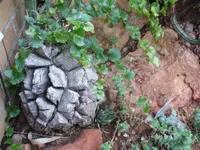
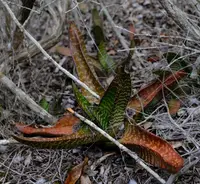
Blochman's liveforever (Dudleya blochmaniae) is a small, winter-growing succulent native to coastal bluffs and rocky slopes of California and northern Baja California. It forms low rosettes of fleshy, often bluish or green leaves that can develop reddish tones in strong light.

Plants stay compact and usually grow in shallow, fast-draining pockets of soil over rock. Their seasonal growth pattern and sensitivity to excess summer water can make them more challenging than common house succulents.

Those who care for Blochman's liveforever should provide bright light, minimal summer watering, and very sharp drainage to keep roots healthy and prevent rot.

Main Plant Requirements

Care Difficulty

Hard Care

Light Preference

Full Sun

Water Requirements

Low Water

Temperature Preference

Warm Climate

Hardiness Zone

9–11

Soil Texture

Sandy, Rocky

Soil pH

Slightly acidic (6.5–7.0), Neutral (7.0)

Soil Drainage

Well-drained

Fertilization

Minimal (feed rarely)

Get Personalized Care Plan

Scan your plant to receive care tips personalized for your specific plant

Available on iOS and Android

How to Care for the Blochman's liveforever

This coastal succulent thrives in bright, cool conditions that mimic its native bluffs and slopes.

  • Provide 4–6 hours of direct morning sun with bright, filtered or high open shade in the afternoon, especially inland, to prevent leaf scorching.
  • In coastal areas, Blochman's liveforever can handle full sun if soil stays very well drained and air movement is good.
  • In winter, allow more sun to support growth; in hot summers, increase light shade and watch for bleaching or crispy leaf tips as signs of excess sun.

Watering should follow the natural winter-growing, summer-dormant cycle of this small dudleya.

  • During active growth in cool seasons, water only when the top 2–5 cm of soil are dry, letting excess drain quickly to avoid root rot.
  • In hot summer dormancy, keep Dudleya blochmaniae almost dry, giving only very light sips if leaves shrivel noticeably.
  • Yellowing, mushy leaves indicate overwatering, while thin, wrinkled leaves with firm roots point to underwatering in the growing season.

This species prefers mild, maritime-style temperatures and struggles with hard frost or intense, dry heat.

  • Aim for cool growth conditions around 50–70°F (10–21°C), which support compact rosettes and healthy root activity.
  • It can tolerate brief drops to about 28–30°F (-2– -1°C) if soil is dry, but repeated or wet frost often damages leaves and crowns.
  • Heat above 90°F (32°C) is stressful; provide afternoon shade and strong airflow, and avoid watering with warm soil to limit rot risk.

Humidity is not a major factor for Dudleya blochmaniae, which prefers dry air similar to arid coastal habitats.

Dudleya blochmaniae needs very fast-draining, gritty soil to prevent root and crown rot.

  • Use a cactus mix amended with 30–50% extra coarse sand, pumice, or small gravel for a rocky, mineral-rich texture.
  • Aim for slightly acidic to neutral pH, around 6.0–7.0, avoiding peat-heavy mixes that stay wet too long.
  • Fill containers with a shallow, stony layer that mimics thin coastal soils rather than deep, moisture-retentive potting media.
  • Avoid clayey, compacted, or high-organic mixes, which reduce aeration and trap water around the roots.

This species can be grown in containers if the setup closely mimics its dry, rocky native conditions.

  • Choose a wide, shallow pot to accommodate the shallow root system and keep the crown above any standing moisture.
  • Use a heavy terracotta or stone container to reduce overheating and improve stability in exposed, windy spots.
  • Slightly elevate the pot on feet or bricks so drainage holes stay clear and water runs off quickly after rain or watering.

This coastal succulent is adapted to lean soils and usually grows best with minimal feeding when cultivated.

  • If growth is very weak, use a low-dose balanced NPK succulent fertilizer at 1/4 strength in early spring only.
  • Apply once at the start of the active growth period, then observe the plant before considering another light application.
  • Avoid compost-heavy mixes or frequent feeding, which can cause soft, rot-prone tissue in Blochman's liveforever.
  • Do not fertilize during summer dormancy or winter; excess nutrients during rest periods stress the roots.

Pruning needs for Dudleya blochmaniae are light and focus on cleanliness rather than shaping.

  • Best time is late winter to early spring, just before or as new growth starts.
  • Remove dead, shriveled, or diseased leaves by gently pulling them away from the rosette base.
  • Cut spent flower stalks close to the base with clean, sharp scissors or pruning snips to keep the plant tidy.
  • Avoid heavy pruning of healthy rosettes, as this can distort the natural form and reduce vigor.

This species dislikes disturbance, so repotting or transplanting should be infrequent and done with care.

  • Check for roots circling the pot, water running straight through, or very slow growth as signs a larger container is needed.
  • Plan any move for late winter to early spring, before vigorous growth, and limit repotting to every 3–4 years.
  • Choose a shallow, well-draining pot and a gritty succulent mix; handle the rosette and root ball very gently.
  • Minimize root stress by keeping roots shaded, replanting quickly, watering lightly once, then allowing the soil to dry well.

Propagation of Dudleya blochmaniae is possible but should be approached carefully, especially with wild-sourced plants.

  • Use seed from cultivated plants; sow in late fall to early winter, matching its natural cool-season growth cycle.
  • Provide bright light, excellent drainage, and cool temperatures around 50–60°F for germination.
  • Press tiny seeds onto the surface of a gritty mix without burying, then mist lightly to keep just barely moist.
  • Offsets, if present, can be divided in early spring, keeping roots intact and replanting immediately into similar soil.

This species tolerates mild, dry winters but needs help in colder or very wet climates.

  • Hardy to light frost when soil is sharply drained; prolonged freezes below about 25°F can damage rosettes.
  • In rainy regions, use a cold frame, rain shelter, or overhang to keep leaves and crown relatively dry.
  • For container plants in colder zones, move pots to a cool, bright, frost-free spot and reduce watering.

Care Tips

Summer dormancy rest

Reduce disturbance and avoid repotting or division during hot, dry summer dormancy, as the rosettes are physiologically resting and more prone to stress and rot.

Top-dressing with grit

Apply a 0.5–1 in layer of coarse grit or small gravel around the crown to keep leaves dry at the base, reduce soil splash, and mimic its natural rocky habitat for healthier rosettes.

Careful offset division

If offsets form, divide only at the start of active growth, using a sterile knife and allowing cut surfaces to dry several days before replanting to limit fungal and bacterial infection.

Rain and irrigation shielding

In regions with wet winters, use a simple clear cover or a movable cold frame to shield plants from prolonged overhead rain while still providing strong light and airflow, which is key when caring for Blochman's liveforever.

Container depth control

Use wide, shallow containers rather than deep pots to keep the root zone fast-draining and to prevent water from lingering at depth, which better matches the plant’s naturally shallow rooting habit.

Common Pests and Diseases

Aphids

These insects cluster on young flower stalks and rosettes, sucking sap and causing distortion, sticky honeydew, and sooty mold growth. This pest is most common on cultivated plants with tender new growth or when wild plants are stressed by atypical watering or fertilizing.

Solution

Rinse colonies off with a firm stream of water and remove heavily infested flower stalks before seed set. For persistent problems, spot-treat with a mild insecticidal soap, applied in the cool part of the day, and avoid high-nitrogen fertilizer that promotes excessively soft growth when growing Blochman's liveforever.

Mealybugs

These insects appear as white, cottony clusters tucked between older leaves and around the crown, where they feed on sap and weaken the rosette. This pest can also encourage sooty mold on honeydew deposits and attract ants.

Solution

Isolate affected plants, then dab visible insects with cotton swabs dipped in isopropyl alcohol and repeat weekly until no new clusters appear. Improve air movement, avoid overhead watering that keeps leaf bases damp, and inspect nearby succulents regularly so infestations are caught and removed early.

Snails and slugs

These pests chew irregular holes in leaves and may skeletonize young rosettes, especially in coastal gardens or outdoor pots. Symptoms include slime trails on leaves, in pots, or on nearby hard surfaces.

Solution

Hand-pick snails and slugs at dusk or early morning and remove sheltering spots such as dense ground litter or pots resting directly on soil. Use copper barriers, tilted pot stands, or targeted iron phosphate bait placed away from the rosette to limit damage while protecting non-target wildlife.

Powdery mildew

This disease appears as a white, powdery film on leaves and flower stalks, sometimes causing yellowing or distortion in humid or poorly ventilated sites. Symptoms include a dusty coating that can spread across neighboring rosettes under cool, still-air conditions.

Solution

Increase sunlight and airflow, avoid crowding plants, and water at the soil level so foliage stays dry. Remove and discard heavily affected leaves or inflorescences and, if needed, apply a light sulfur-based or potassium bicarbonate spray suitable for succulents, used sparingly and only during mild temperatures.

Crown rot (fungal)

This disease starts at the base of the rosette where moisture accumulates, leading to soft, darkened tissue and sudden collapse of leaves. Symptoms include a mushy crown, foul smell, and leaves detaching easily from the base, especially after warm, wet conditions or frequent summer watering.

Solution

At the first signs, stop watering and remove affected plants from overly wet soil; discard severely rotted specimens, as recovery is rare. For prevention, grow in a sharply draining mineral mix, use pots or mounds that shed winter rain, and water sparingly during warm months, focusing on strong light and cool, dry rest rather than frequent irrigation.

Interesting Facts

Winter-growing lifecycle

This species grows mainly in the cool, wet months and then becomes summer-dormant, often shrinking and turning pale as it conserves water during the dry season along the California coast.

Strict coastal endemic

It is naturally restricted to a narrow strip of coastal bluffs and marine terraces in southern and central California, where it grows in thin, rocky soils influenced by ocean fog and salt-laden winds.

Taxonomic complexity

Different populations show variation in rosette size, leaf color, and growth habit, which has led botanists to describe multiple subspecies and to revisit its classification within the Dudleya genus over time.

Botan icon

Did you know?

This species is one of several Dudleya that became the focus of anti-poaching conservation actions in California, after wild plants were illegally collected from coastal cliffs and exported for the international succulent trade, prompting increased legal protection and monitoring of wild populations.

FAQs about Blochman's liveforever

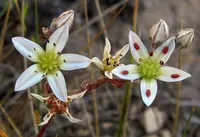
This coastal succulent usually blooms in spring, often March–May, before entering summer dormancy. It produces slender stalks with small tubular flowers, typically white to pale pink, which attract native pollinators in mild, dry conditions.

Grow Healthy Plants with Botan Care

Keep your plants happy and healthy with plant identification, disease detection, and easy care guidance.

Botan plant care app — identify plants on mobile

Explore More Plants