Low trellis support
Provide a short trellis, low fence, or shrub branches for the plant to scramble over, which keeps stems off soggy soil, improves airflow, and reduces stem rot in wet seasons.

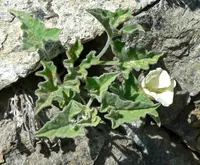
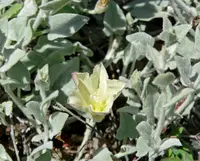
Calystegia collina, commonly called coast range false bindweed, is a low, twining perennial vine native to coastal California hills and open scrub. It typically forms small mats or loose tangles, with arrow-shaped green leaves and showy white funnel-shaped flowers. This species is adapted to dry, rocky, well-drained soils and often grows in full sun with minimal water once established. Its drought tolerance and modest size can make it manageable in native or dry gardens, though it may still spread by creeping stems. Understanding how to care for coast range false bindweed starts with respecting its preference for sun, lean soil, and low to moderate moisture.

Care Difficulty
Moderate Care

Light Preference
Full Sun

Water Requirements
Low Water

Temperature Preference
Warm Climate

Hardiness Zone
8–10

Soil Texture
Sandy, Loamy, Rocky

Soil pH
Slightly acidic (6.5–7.0)

Soil Drainage
Well-drained

Fertilization
Minimal (feed rarely)
Scan your plant to receive care tips personalized for your specific plant
Available on iOS and Android
This sun-loving California native thrives in bright, open sites with cool roots and exposure-balanced shoots.
This drought-tolerant perennial prefers deep, infrequent watering and fast-draining soil.
This species is adapted to mild Mediterranean climates with cool, wet winters and warm, dry summers.
This species tolerates a wide range of outdoor humidity and usually needs no special humidity management.
This coastal native prefers lean, well-drained mineral soils and is sensitive to waterlogging in heavy substrates.
This species can be grown in containers outdoors if the pot is configured to mimic its naturally free-draining, mineral soil conditions.
This native perennial is adapted to lean soils, so coast range false bindweed needs only light, occasional feeding in cultivation.
Pruning Calystegia collina helps manage its twining habit and maintain flowering performance.
This species is usually grown in the ground, so care focuses more on thoughtful transplanting than frequent repotting.
Calystegia collina is commonly propagated through division or stem cuttings in mild seasons.
In suitable coastal and mild inland climates, this plant is generally cold hardy and needs minimal winter care.

Plant Health Check
Not sure what's wrong with your plant? Check your plant's health inside the app.
This species is naturally restricted to coastal and Coast Range areas of northern California, where it grows in chaparral, coastal scrub, and rocky openings, often on well-drained, nutrient-poor soils.
Unlike many twining morning glory relatives, this plant often forms low mounds or sprawling mats that hug the ground or drape over rocks, an adaptation that helps it withstand wind and sun exposure in open habitats.
Its funnel-shaped white to pale pink flowers open in daylight and are shaped to accommodate daytime insect visitors such as bees, which act as primary pollinators in its native shrubland communities.
This species can spread laterally by creeping stems and underground structures, forming patches over time. In garden settings, use edging or root barriers and regular cutting back to prevent it from overtaking nearby, slower plants.
Keep your plants happy and healthy with plant identification, disease detection, and easy care guidance.