Early trellis training
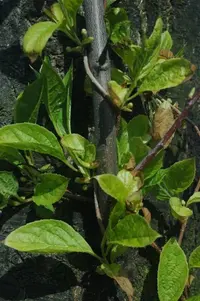
Install a sturdy trellis or wires at planting time and loosely tie young vines with soft ties so the plant climbs vertically and develops a well-organized framework that is easy to maintain and harvest from later.

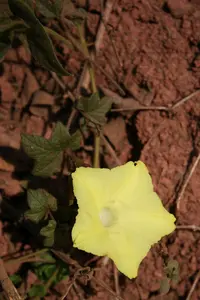
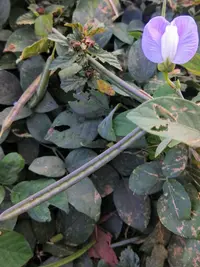
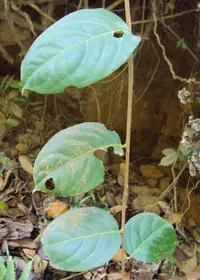
Camonea vitifolia is a twining perennial vine in the morning glory family, valued mainly for its vigorous growth and ornamental foliage. It typically produces heart-shaped to lobed leaves and delicate funnel-shaped flowers, giving it a light, climbing presence on fences or supports.
This species is native to tropical and subtropical regions, where it grows in coastal thickets and disturbed habitats. Its fast growth and scrambling habit mean it can spread quickly in warm climates.
In cultivation, it is generally easy to manage if given support, warmth, and consistent moisture in well-drained soil. Gardeners who want to learn how to care for Camonea vitifolia should focus on providing bright light and protection from cold conditions.

Care Difficulty
Moderate Care

Light Preference
Full Sun

Water Requirements
Regular Water

Temperature Preference
Tropical / Frost Sensitive

Hardiness Zone
10–12

Soil Texture
Sandy, Loamy, Organic-rich

Soil pH
Acidic (5.5–6.5), Slightly acidic (6.5–7.0)

Soil Drainage
Moist but well-drained

Fertilization
Light (every 4–6 weeks)
Scan your plant to receive care tips personalized for your specific plant
Available on iOS and Android
This vigorous climber grows best with bright outdoor light and some protection from harsh midday sun.
This twining vine prefers consistently moist, well-drained soil rather than cycles of drought and saturation.
This warm-climate vine thrives in mild to hot conditions and is sensitive to cold and frost.
This tropical vine benefits from moderately humid air but copes with typical indoor levels.
This species prefers a light, well-aerated, fast-draining mix that still holds some moisture.
This climber suits container growing when given enough root space and firm support.
This fast-growing vine benefits from modest, consistent feeding during the warm growing season.
Thoughtful pruning supports flowering performance and manageable size for this vigorous climber.
This species performs best with room for roots to expand but dislikes severe disturbance once established.
Gardeners most often renew plants by seeds or softwood cuttings taken in warm conditions.
This vine is frost tender and needs protection in climates with cold winters.

Plant Health Check
Not sure what's wrong with your plant? Check your plant's health inside the app.
Each flower typically opens early in the morning and closes or withers by early afternoon, a pattern that helps protect its pollen from heat and dehydration in exposed coastal habitats.
This species naturally occurs on sandy beaches and coastal thickets in tropical America and the Caribbean, where its trailing stems help stabilize loose sand and tolerate salt-laden winds.
The white, funnel-shaped flowers provide accessible nectar and pollen for bees and other daytime insects, which are attracted by the strong visual contrast between the pale petals and the central reproductive structures.
This species is a twining vine that climbs by wrapping its flexible stems around nearby supports such as trellises, fences, or shrubs. In the absence of support, stems may sprawl and form a loose groundcover-like mat.
Keep your plants happy and healthy with plant identification, disease detection, and easy care guidance.