Canavalia oxyphylla Care

Canavalia oxyphylla

About Canavalia oxyphylla

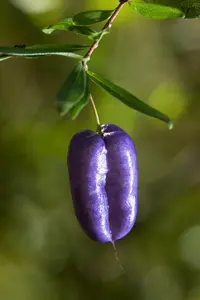
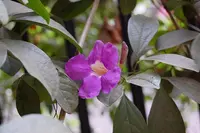
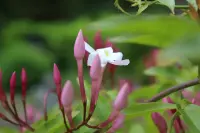
Canavalia oxyphylla is a climbing legume, related to other bean vines, known for its vigorous growth and decorative foliage. It typically produces elongated pods and pea-like flowers, giving it a distinctly ornamental yet utilitarian appearance.

This species occurs naturally in tropical regions, often in coastal or lowland habitats where it can scramble over shrubs or supports. Its fast growth and twining habit mean it needs space and some form of structure to climb.

In general, it is considered a relatively robust plant if its basic needs are met. Light, well-drained soil and consistent warmth make it easier to care for Canavalia oxyphylla.

Main Plant Requirements

Care Difficulty

Moderate Care

Light Preference

Full Sun

Water Requirements

Moderate Water

Temperature Preference

Warm Climate

Hardiness Zone

Unknown

Soil Texture

Sandy, Loamy, Organic-rich

Soil pH

Slightly acidic (6.5–7.0), Neutral (7.0)

Soil Drainage

Well-drained

Fertilization

Minimal (feed rarely)

Get Personalized Care Plan

Scan your plant to receive care tips personalized for your specific plant

Available on iOS and Android

How to Care for the Canavalia oxyphylla

This vigorous tropical vine prefers strong light to support fast growth and flowering.

  • Provide 6–8 hours of sun daily, ideally with direct morning sun and light afternoon shade to protect leaves from scorching in hot climates.
  • Plant in an open site with unobstructed sky; it tolerates bright partial shade but flowering may decrease if daily direct sun drops below about 4 hours.
  • In cooler seasons or cloudy regions, choose the brightest, warmest exposure available, as low light leads to lanky stems and reduced pod production for Canavalia oxyphylla.

This species prefers consistently moist but well-drained soil, especially during active growth.

  • Irrigate when the top 3–5 cm of soil feel dry, aiming for deep soaking rather than frequent light sprinkling to encourage strong root development.
  • Use loose, well-drained soil or beds; avoid standing water or heavy clay, which cause yellowing leaves, soft stems, and root rot from chronic overwatering.
  • During cooler months or reduced growth, let the surface dry a bit deeper and watch for dull, curling leaves as a sign of underwatering, then water thoroughly.

This warm-season vine grows best in stable, frost-free conditions.

  • Maintain active growth in 70–86°F (21–30°C); seeds germinate and seedlings establish most reliably in consistently warm soil and air.
  • Avoid temperatures below 50°F (10°C); light chill slows growth, and true frost can kill foliage and young plants, so sow or plant out only after the last frost date.
  • In hot regions, Canavalia oxyphylla tolerates brief highs near 95°F (35°C) if soil moisture is adequate, but combine heat with some afternoon shade to limit stress and leaf scorch.

This species prefers moderate humidity but adapts well to typical indoor levels around 40–60%.

  • Tolerates brief dry indoor air, but sustained humidity below 35% can slow growth and increase leaf edge browning.
  • Humidity stress shows as curling leaflets, dry tips, and more spider mite activity on new foliage.
  • Raise humidity locally with grouped plants, a water-filled pebble tray under the pot, or a small room humidifier in very dry homes.

Use freely draining, moderately fertile soil that stays moist but never waterlogged.

  • Choose a loose loam or sandy loam with high organic matter so roots anchor firmly yet still receive steady oxygen.
  • Aim for slightly acidic to neutral pH around 6.0–7.0, avoiding strongly alkaline mixes that limit nutrient uptake.
  • Combine roughly 50% peat- or coir-based potting mix with 25% compost and 25% perlite or coarse sand to improve drainage and aeration.
  • Avoid heavy clay, compacted beds, or pots without strong drainage, which encourage root rot and reduced nodulation on Canavalia oxyphylla roots.

This species can be grown successfully in containers when given enough depth and support.

  • Pick a deep, heavy pot that will not tip when vines climb or when a support structure is added.
  • Use a trellis or sturdy stake inserted at planting so stems can be trained upward without disturbing roots later.
  • Leave several centimeters between soil surface and pot rim to prevent nutrient-rich irrigation water from spilling over during thorough watering.

This leguminous species usually needs minimal feeding, especially when planted in the ground on decent soil.

Light structural pruning helps manage size and health in Canavalia oxyphylla without stressing the plant.

  • Carry out main pruning at the end of winter or very early spring before vigorous new growth starts.
  • Use clean, sharp bypass pruners to remove dead, diseased, or crossing stems flush with their origin.
  • Thin congested interior shoots to improve light and air flow, keeping the natural arching habit.
  • Shorten overly long vines or branches to control spread and support safe access or maintenance.

This species is more often field grown, so transplanting young plants carefully is more relevant than frequent repotting.

  • Transplant in warm spring once soil has warmed and the risk of frost has passed.
  • Look for circling roots, stunted growth, or plants drying out quickly as signs a container specimen needs more space.
  • Move into a hole or pot just 1–2 sizes larger, loosening tight root spirals without tearing major roots.
  • Water thoroughly after planting, then keep soil evenly moist and shaded for 1–2 weeks to limit transplant shock.

Seed propagation is the usual method for increasing Canavalia oxyphylla plants for restoration or trial plantings.

  • Collect mature, fully dried pods and store seeds cool and dry until sowing time.
  • In late spring, scarify hard seed coats lightly with sandpaper, then soak 12–24 hours in lukewarm water.
  • Sow in a free-draining mix, 1–2 cm deep, and keep at 70–80°F with steady, moderate moisture.
  • Provide bright light and good air movement for seedlings, potting on gently once roots fill the starter cells.

In mild, frost-free climates this species usually needs only basic site care over winter.

  • In regions with occasional light frost, apply a 5–8 cm mulch around the root zone, keeping it off stems.
  • Container plants in cooler areas can be moved under cover or into an unheated, bright shelter.
  • Reduce watering in winter so soil stays slightly moist but never waterlogged, especially in heavy soils.

Care Tips

Provide strong trellis

Install a sturdy vertical trellis or wire mesh before planting so vines can be guided early, which reduces stem breakage and improves air flow through the canopy.

Time-sensitive pinching

Pinch or cut back overly vigorous tips at the start of the warm season to encourage branching and more flowering sites rather than removing growth randomly throughout the season.

Rhizobium inoculation

Dust seeds with a suitable Rhizobium inoculant before sowing to improve nitrogen fixation, especially in previously unused or sterilized soils.

Moderate pod load

Thin out excess young pods on heavily fruiting vines so the plant can size up remaining pods better and avoid exhausting itself in one season when growing Canavalia oxyphylla outdoors.

Staggered sowing

Sow seeds in 2–3 small batches spaced 2–3 weeks apart to reduce the risk from a single pest or weather event and to extend the useful harvest window.

Common Pests and Diseases

Bean flower thrips

This pest feeds on flower buds and young pods, causing scarring, distortion, and poor pod set. Symptoms include silvery streaks, browning of petals, and deformed, corky pods.

Solution

Monitor flowers and young pods frequently and shake or tap inflorescences over white paper to check for small, fast‑moving thrips. Remove heavily damaged flowers or pods, encourage natural predators by maintaining plant diversity nearby, and, if needed, use targeted applications of insecticidal soap or a spinosad-based product directed into flowers and developing pods according to label directions.

Pod borers

These insects tunnel into developing pods and feed on seeds, leading to frass-filled entry holes, shriveled seeds, and premature pod drop. Damage reduces seed viability and overall yield when growing Canavalia oxyphylla for seed or forage.

Solution

Inspect pods regularly for small bore holes and frass, and remove and destroy infested pods to break the life cycle. Use fine mesh netting where practical to limit egg-laying, and apply Bacillus thuringiensis (Bt) or other targeted biological insecticides against young caterpillars in accordance with local guidelines.

Foliar rust

This disease produces small yellow spots on upper leaf surfaces and orange to brown powdery pustules on the undersides, which can coalesce and cause premature defoliation. Symptoms intensify under warm, humid conditions and dense canopy growth.

Solution

Improve airflow by avoiding overcrowding, pruning excess foliage, and watering at soil level rather than overhead. Remove and discard heavily infected leaves, and in areas with recurring rust problems consider using a labeled copper-based or systemic fungicide preventively at the first sign of symptoms.

Anthracnose

This disease causes dark, sunken lesions on stems, petioles, and pods, often with a defined margin, and can lead to pod distortion and seed infection. Symptoms include leaf blotches that may merge, especially in wet weather or on poorly dried foliage.

Solution

Avoid working with plants when foliage is wet and space plants to promote rapid drying after rain or irrigation. Remove and destroy infected plant debris, rotate away from other legumes for several seasons, and in high-pressure situations use certified clean seed and apply an appropriate fungicide seed treatment or early foliar spray if allowed in the region.

Bacterial blight

Symptoms include water-soaked leaf spots that enlarge into angular brown lesions bordered by leaf veins, often with yellow halos, and may extend to stems and pods. Infected tissue can tear, giving leaves a ragged appearance, and severe cases reduce vigor and pod quality.

Solution

Use clean, disease-free seed and avoid overhead irrigation that keeps foliage wet for long periods. Remove and dispose of symptomatic plant material, disinfect cutting tools between plants, and practice crop rotation and good field hygiene; copper-based bactericides may help limit spread when applied early and combined with these cultural measures.

Interesting Facts

Amazonian riverbank specialist

This species is native to seasonally flooded riverbanks and forest edges in parts of the western Amazon Basin, where it tolerates periodic inundation and shifting, nutrient-poor sediments.

Woody liana growth

Unlike many annual beans, it develops as a robust woody liana, climbing into surrounding vegetation and producing long, thick stems that can form dense tangles in its natural habitat.

Wild fauna food source

Its pods and seeds are eaten by various Amazonian animals, and the plant contributes to riverine food webs as part of early successional vegetation along disturbed or newly exposed banks.

FAQs about Canavalia oxyphylla

This species is a twining vine that climbs when given vertical support, such as trellises or fences. In open ground without supports, stems sprawl and form a spreading, scrambling mass over nearby low vegetation or structures.

Grow Healthy Plants with Botan Care

Keep your plants happy and healthy with plant identification, disease detection, and easy care guidance.

Botan plant care app — identify plants on mobile

Explore More Plants