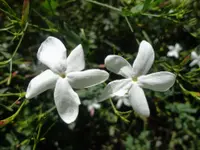
cissus Care (Cissus repens)

cissus

About cissus

Cissus repens is a vining, evergreen plant in the grape family, grown mainly for its small, attractive leaves and trailing habit. It is usually kept as a hanging or climbing houseplant.

In nature, it occurs in tropical and subtropical regions of Asia, where it scrambles over trees and shrubs in warm, humid forests. Its flexible stems and quick growth make it suitable for indoor trellises or baskets.

Cissus repens is generally considered moderate in difficulty, as it prefers steady warmth, filtered light, and evenly moist but well-drained soil. Once its basic needs are understood, it becomes much easier to care for cissus indoors.

Main Plant Requirements

Care Difficulty

Moderate Care

Light Preference

Partial Shade

Water Requirements

Moderate Water

Temperature Preference

Tropical / Frost Sensitive

Hardiness Zone

10–11

Soil Texture

Loamy, Sandy, Organic-rich

Soil pH

Acidic (5.5–6.5), Slightly acidic (6.5–7.0)

Soil Drainage

Well-drained

Fertilization

Light (every 4–6 weeks)

Get Personalized Care Plan

Scan your plant to receive care tips personalized for your specific plant

Available on iOS and Android

How to Care for the cissus

This vining species prefers bright, indirect light with some protection from harsh midday sun.

  • Provide 4–6 hours of bright, filtered light daily, such as near an east- or north-facing window or under light tree canopy outdoors.
  • Tolerates partial shade and can handle 2–3 hours of gentle morning sun, but avoid strong afternoon sun that can scorch leaves or cause pale, crispy edges.
  • In winter, move cissus closer to light sources or use supplemental lighting if daylength is under 8 hours to prevent leggy, weak growth.

This plant prefers evenly moist but not saturated soil and reacts quickly to extremes in watering.

  • Water when the top 2–3 cm of soil feels dry, allowing excess to drain fully so roots sit in moist, not soggy, substrate.
  • Reduce frequency in winter when growth slows, but never let the root zone dry completely; slightly drooping, dull leaves often indicate thirst.
  • Watch for yellowing, mushy leaves or a sour soil smell as signs of overwatering, and ensure a loose, fast-draining mix for healthy Cissus repens roots.

This species grows best in warm, stable conditions without exposure to frost or extreme heat.

  • Aim for 65–80°F (18–27°C) for active growth, with the most vigorous development around 70–75°F (21–24°C).
  • Protect from temperatures below 50°F (10°C); prolonged exposure near this minimum can slow growth and cause leaf drop, while frost can kill stems.
  • In hot spells above 86°F (30°C), increase shade and airflow, and avoid placing the plant near heat-reflective surfaces that can scorch foliage.

This species appreciates moderately humid air but tolerates typical home conditions if not too dry.

  • Aim for 50–70% humidity to support steady growth and reduce leaf edge browning.
  • In very dry air, watch for curling tips, crisp margins, and slowed new growth as signs of humidity stress.
  • Increase humidity with a nearby humidifier, grouped plants, or a wide pebble tray, rather than misting leaves directly.

This climbing species prefers a loose, airy medium that drains quickly yet retains some moisture.

  • Use a peat- or coco-based mix with added perlite and fine bark to create a light, fibrous structure.
  • Ensure fast drainage so water moves through in seconds, leaving the mix slightly moist but never waterlogged.
  • A slightly acidic to neutral pH around 6.0–7.0 suits Cissus repens and supports nutrient availability.
  • Improve aeration by avoiding heavy garden soil and by increasing coarse components if the mix compacts easily.

This vine grows very well in containers when the pot supports its trailing and climbing habit.

  • Choose a pot slightly wider than deep to give spreading roots space while keeping the lightweight top growth balanced.
  • Select a stable, heavier container or add weight at the base so the plant does not tip as vines elongate or hang.
  • Use a pot material that suits your watering style, such as terracotta to let excess moisture evaporate faster in damp climates.

Light, consistent feeding supports steady growth in Cissus repens without forcing weak, lush foliage.

  • Use a balanced liquid fertilizer (around 10-10-10 or 20-20-20) diluted to 1/4–1/2 strength.
  • Feed every 4–6 weeks during the active growing season, after watering the soil first.
  • Pause or reduce to 1 light feeding all winter, especially in low light or cooler rooms.
  • Organic options like fine compost or slow-release pellets can be used sparingly in spring.

Thoughtful pruning keeps Cissus repens compact, leafy, and easy to manage indoors.

  • Plan main pruning in late winter or early spring before strong new growth starts.
  • Remove dead, damaged, or crossing stems with clean, sharp scissors or snips.
  • Shorten overly long vines to encourage fuller side branching and denser foliage.
  • Pinch soft tips during the season to control length and maintain the desired shape.

Container-grown plants benefit from occasional repotting to maintain healthy, active roots.

  • Check for roots circling the pot base, pushing from drainage holes, or unexplained slow growth.
  • Plan to move Cissus repens into a pot 2–3 cm wider every 2–3 years in spring.
  • Slide the plant out gently, loosen circling roots lightly, and remove only a small amount of old soil.
  • Set in fresh, free-draining mix, water thoroughly, then keep in bright, indirect light for 1–2 weeks.

New plants are most often produced from stem cuttings taken during the active growing season.

  • Take 8–12 cm tip cuttings of Cissus repens in late spring or summer, just below a node.
  • Remove lower leaves, leaving 1–2 at the top to reduce moisture loss.
  • Insert cuttings into moist, free-draining mix and keep at 70–75°F in bright, indirect light.
  • Maintain high humidity with a vented cover; roots usually form within a few weeks.

This species dislikes frost, so indoor or mild-climate growing offers the most reliable results in winter.

  • Keep temperatures above 55°F; growth slows noticeably in cooler rooms.
  • Move outdoor containers indoors before the first frost and place in bright, indirect light.
  • Water less often, allowing the top soil to dry slightly more between waterings.
  • Check stems and leaves for cold damage and trim back dead tissue in late winter.

Care Tips

Use wide support

Provide a trellis, mesh, or horizontal wires rather than a single stake so the thin, creeping stems can attach at many points and form a dense curtain instead of a tangled rope.

Layer for easy propagation

Pin a healthy stem node onto moist soil in the same pot using a bent paperclip or plant staple; once roots form at that node, cut it free to create a new plant with minimal stress.

Regular vine combing

Every few weeks gently run fingers or a blunt stake through the vines to separate crossing stems, which improves light exposure, reduces hidden pest pockets, and keeps the plant’s mat even.

Edge-drain repotting

When repotting, keep the root ball slightly off-center and leave a small open channel along one pot edge so excess water can drain faster and the creeping stems have room to trail over the rim.

Targeted pest scouting

Inspect the undersides of leaves and the stem nodes where they touch supports, as these sheltered points are where mealybugs and scale most often establish when growing cissus indoors.

Common Pests and Diseases

Spider mites

This pest often appears on hanging or climbing vines in warm, dry indoor air, causing stippled leaves and fine webbing along stems and leaf undersides.

Solution

Rinse foliage thoroughly with lukewarm water, focusing on leaf undersides, then repeat every few days; for heavier infestations, use an insecticidal soap or neem oil spray and increase humidity and airflow to reduce mite pressure.

Mealybugs

These insects hide in leaf joints and along stems, appearing as white cottony clusters and causing slow growth and sticky honeydew deposits on nearby surfaces.

Solution

Remove visible clusters with a cotton swab dipped in alcohol, shower the plant to dislodge remaining insects, then apply an insecticidal soap or neem oil spray weekly until no new mealybugs appear and isolate the plant from others during treatment.

Scale insects

This pest forms small, brown or tan bumps on stems and leaf veins, leading to yellowing foliage and reduced vigor over time.

Solution

Gently scrape or wipe off individual scales with a soft cloth or cotton swab dipped in alcohol, then treat the entire plant with a horticultural oil spray to suffocate remaining insects and repeat every 7–10 days while monitoring new growth closely.

Leaf spot

This disease causes small brown or black spots with possible yellow halos on the relatively thin leaves, which can merge and cause sections of the leaf to die.

Solution

Remove and discard affected leaves, keep foliage dry by watering only at the soil level, improve air movement around the plant, and if spotting continues, apply a copper- or sulfur-based fungicide according to label directions as part of broader Cissus repens plant care.

Interesting Facts

Evergreen forest climber

This species is an evergreen vine native to Southeast Asian forests, where it climbs on trees or sprawls as a groundcover in shaded, humid understories.

Distinctive leaf dimples

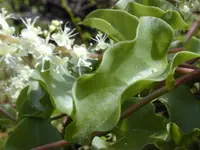
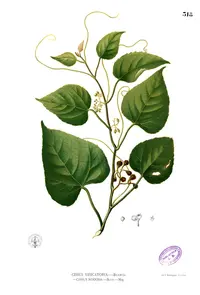
Its leaves often show small, shallow depressions between the main veins, giving the foliage a subtly textured, quilted look that helps distinguish it from similar cissus species.

Nodding green berries

After flowering, it forms small, dangling clusters of green berries that hang on thin stalks, a feature that inspired the common name nodding grapes in some references to Cissus repens plant care.

FAQs about cissus

Yellowing leaves usually come from overwatering, poor drainage, or sudden temperature changes. Check that the pot drains freely, allow the top layer of mix to dry slightly between waterings, and avoid cold drafts or abrupt moves.

Grow Healthy Plants with Botan Care

Keep your plants happy and healthy with plant identification, disease detection, and easy care guidance.


Botan plant care app — identify plants on mobile

Explore More Plants