Capparis micracantha Care

Capparis micracantha

About Capparis micracantha

Capparis micracantha is a woody climbing shrub native to tropical Asia, often found in thickets, forest edges, and coastal scrub. It belongs to the caper family and may form a sprawling, sometimes thorny tangle over supporting vegetation.

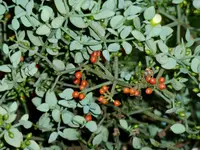
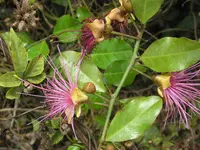
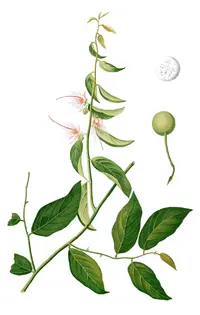
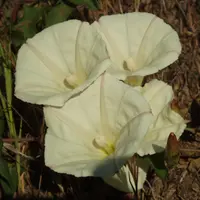
The plant typically carries small, simple leaves and produces pale flowers followed by small, often elongated fruits. Its tough growth and tolerance of heat and seasonal dryness suggest it can adapt to challenging garden conditions in warm climates.

Gardeners who want to care for Capparis micracantha should note that it prefers bright light, well-drained soil, and protection from prolonged cold or waterlogged sites.

Main Plant Requirements

Care Difficulty

Moderate Care

Light Preference

Full Sun

Water Requirements

Moderate Water

Temperature Preference

Tropical / Frost Sensitive

Hardiness Zone

10–12

Soil Texture

Sandy, Loamy, Rocky

Soil pH

Slightly acidic (6.5–7.0), Neutral (7.0)

Soil Drainage

Well-drained

Fertilization

Minimal (feed rarely)

Get Personalized Care Plan

Scan your plant to receive care tips personalized for your specific plant

Available on iOS and Android

How to Care for the Capparis micracantha

This sun-loving shrub thrives in warm, bright conditions with strong seasonal light variation.

  • Provide 6–8 hours of direct sun daily; morning and early afternoon sun are ideal in most climates.
  • Tolerates light partial shade, but flowering drops if daily direct sun falls below about 4 hours.
  • In very hot regions, protect from harsh late-afternoon summer sun to limit leaf scorch, yet avoid deep shade, which leads to lanky, weak growth.

This drought-tolerant shrub prefers infrequent, deep watering rather than shallow, frequent doses.

  • Allow the top 5–7 cm of soil to dry before watering, using soil feel rather than a fixed schedule.
  • Use sharply draining, sandy or gravelly soil so water moves through quickly and roots are not exposed to standing moisture.
  • In hot, dry seasons, watch for dull, slightly drooping foliage as a cue to water; yellowing leaves or blackened roots indicate overwatering in Capparis micracantha.

This species is adapted to warm climates and does best with steady heat and no frost exposure.

  • Aim for 70–90°F (21–32°C) during the growing season for strongest growth and flowering.
  • Avoid temperatures below 40°F (4°C); brief dips near this level may be tolerated, but freezing causes serious damage or death.
  • In hot regions, plants handle up to 100°F (38°C) if soil is well drained and not waterlogged, but growth slows in extended extreme heat.

This species tolerates a wide humidity range and usually does not need special humidity management.

  • Aim for 30–60% relative humidity, similar to most indoor and outdoor conditions in temperate to warm climates.
  • Dry indoor air is usually tolerated, but prolonged very dry air can cause marginal leaf browning and reduced new growth.
  • If air is extremely dry, group plants together or place the pot on a pebble tray with water below the pot base to slightly raise humidity.

Capparis micracantha prefers freely draining, mineral-rich soil that does not stay wet around the roots.

  • Use a sandy or sandy-loam mix with coarse structure, such as 50–60% gritty sand or fine gravel combined with 40–50% loam or potting mix.
  • Ensure rapid drainage by adding perlite or pumice and avoiding heavy clay, peat-heavy, or compacted substrates that hold water for many hours.
  • Target a slightly alkaline to neutral pH around 7.0–8.0, which suits its natural limestone and rocky habitat conditions.
  • Improve aeration by including coarse particles (2–6 mm) and keeping organic matter moderate, which helps prevent root rot in wet weather.

This species can be grown in containers if the pot is chosen to support its woody, often sprawling growth habit.

  • Select a deep, heavy pot that resists tipping as stems elongate and become woody, especially in windy outdoor positions.
  • Use a wide surface diameter to allow lateral root spread and to anchor any support structures for branches or training.
  • Choose unglazed terracotta or other porous materials to let the root zone dry more quickly between waterings, reducing the risk of waterlogging.

This shrub tolerates low fertility but responds to light feeding in poor soils during the warm growing season.

  • Use a balanced, slow-release fertilizer (around 10-10-10) or a thin layer of well-rotted compost in spring.
  • Feed once at the start of the rainy or active growth period; a second light dose in mid-season is enough.
  • Apply at half the label strength to avoid excessive soft growth and salt buildup.
  • Do not feed in cool winter months or when growth has clearly slowed.

Thoughtful pruning keeps Capparis micracantha manageable and encourages a strong, well-lit framework.

  • Carry out main pruning at the end of winter or very early spring, before vigorous new growth begins.
  • Remove dead, diseased, crossing, or inward-growing branches with clean, sharp bypass pruners.
  • Shorten overly long shoots to maintain size and improve air and light penetration into the canopy.
  • Avoid severe cutting into very old wood; aim for gradual thinning over several seasons if reshaping.

This species is usually grown in the ground; focus on careful transplanting rather than frequent container repotting.

  • Plan transplanting for late winter or early spring when temperatures are mild and growth is just restarting.
  • Move plants when roots circle the container, growth slows, or the plant dries out very quickly after watering.
  • Prepare a larger planting hole with free-draining soil, keeping the original rootball intact and at the same depth.
  • Water deeply after planting, shade lightly for 1–2 weeks, and avoid heavy pruning at the same time to reduce stress.

Propagation of Capparis micracantha is possible but slower than many common ornamentals.

  • Use fresh seeds in warm conditions (75–85°F) and well-drained, sandy mix; germination can be uneven.
  • Lightly scarify or soak seeds for 12–24 hours to improve water uptake and speed sprouting.
  • Semi-ripe stem cuttings taken in late spring to summer root best under high humidity and bottom warmth.
  • Provide bright, indirect light and just-moist substrate; excess water sharply increases rot risk during rooting.

This warm-climate shrub is frost-sensitive and benefits from simple measures in cooler regions.

  • In ground, add 5–8 cm of organic mulch around the root zone, keeping it slightly away from the stem.
  • In areas with occasional light frost, wrap young stems with horticultural fleece or breathable fabric.
  • Move container plants indoors or into a bright, frost-free shelter before nights fall near 40°F.

Care Tips

Provide climbing support

Install a sturdy trellis, wire panel, or fence early so stems can be tied loosely as they elongate, which keeps growth upright, improves air movement, and makes harvesting or inspection easier.

Encourage branching

Pinch or tip-prune the very end of young, vigorous shoots once they reach 30–40 cm to promote side branches and a fuller framework, but avoid heavy cutting during peak flowering to reduce bud loss.

Manage thorn exposure

When working around the plant, wear thick gloves and long sleeves, and use long-handled pruners to reduce injury from small spines, especially on older, woody stems that are harder to see and move.

Mulch the root zone

Apply a 3–5 cm layer of coarse, inorganic mulch such as gravel or crushed brick around the base to keep roots cooler, reduce weed competition, and avoid excessive moisture retention against the crown.

Monitor for scale insects

Inspect stems and the undersides of leaves every 2–4 weeks for small, shell-like bumps and treat early with a horticultural oil spray if needed, as regular monitoring is one of the most effective tools when caring for Capparis micracantha.

Common Pests and Diseases

Leaf-mining moths

This pest creates winding tunnels inside young leaves, which later turn brown and dry along the mined areas. Symptoms include distorted new growth and reduced vigor in heavily attacked shoots.

Solution

Remove and destroy mined leaves as soon as they are noticed to break the life cycle, and prune back heavily affected young shoots. Encourage natural predators by avoiding broad-spectrum insecticides, and if needed use a targeted Bacillus thuringiensis (Bt) product on young foliage according to label directions.

Scale insects

These insects appear as small, fixed bumps on stems, young branches, and leaf undersides, feeding on sap and excreting sticky honeydew. Symptoms include yellowing leaves, sooty mold growth on honeydew, and general decline in vigor.

Solution

Physically remove scales on small plants by gently scraping or wiping with a cotton pad dipped in diluted alcohol, and prune heavily infested twigs. For larger or persistent infestations, apply a light horticultural oil during mild weather to smother the insects, making sure to coat stems and leaf undersides thoroughly.

Leaf spot

This disease causes irregular brown to dark-purple spots on leaves, sometimes with a pale center and a yellow halo. Symptoms include premature leaf drop on stressed or crowded plants, especially after prolonged humidity or monsoon rains.

Solution

Prune and discard affected leaves to reduce inoculum, and improve air movement by thinning dense growth and avoiding overhead irrigation where possible. In areas with recurrent issues, apply a copper-based fungicide preventively at the start of the rainy season, following label rates and intervals as part of broader Capparis micracantha care instructions.

Interesting Facts

Southeast Asian liana

This species is a woody climber native to lowland forests and thickets from India and Sri Lanka through mainland Southeast Asia to southern China and parts of Malesia, where it scrambles over shrubs and small trees along forest edges and disturbed sites.

Distinctive hooked spines

The stems bear small, recurved spines that help the plant hook onto surrounding vegetation for support, a typical adaptation of climbing caper species in dense tropical habitats.

Specialist caterpillar host

In parts of Asia, larvae of certain pierid butterflies, including species in the genus Hebomoia, feed on its leaves, making the vine an important native host plant in local butterfly life cycles and forest-edge food webs.

Botan icon

Did you know?

Molecular and morphological studies in Capparaceae have used this species as a reference taxon when clarifying relationships within the caper family, so herbarium specimens of this relatively inconspicuous forest liana are included in several regional floras and taxonomic revisions.

FAQs about Capparis micracantha

This species performs best outdoors in warm, frost-free climates with strong light and good airflow. Indoors it tends to grow weak and sparse unless provided with very high light, heat, and low humidity similar to its native habitat.

Grow Healthy Plants with Botan Care

Keep your plants happy and healthy with plant identification, disease detection, and easy care guidance.

Botan plant care app — identify plants on mobile

Explore More Plants