Oriental bittersweet Care (Celastrus orbiculatus)

Also known as: Oriental staff vine, Asiatic bittersweet, Climbing spindleberry, Asian bittersweet, Staff Vine, round leaf bittersweet
Oriental bittersweet

About Oriental bittersweet

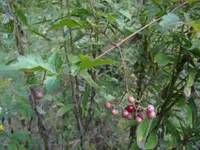
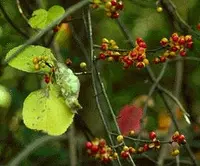
Oriental bittersweet, Celastrus orbiculatus, is a woody, deciduous vine known for its vigorous growth and bright yellow-orange fruit capsules. It climbs by twining around trees, fences, and structures, often forming dense, tangled masses.

This species is native to East Asia but has become widespread and often invasive in North America, especially in woodlands and disturbed areas. Once established, it grows quickly and is difficult to remove due to its strong root system and heavy reseeding.

Those who care for Oriental bittersweet should understand its aggressive nature and potential to smother other plants. It favors full sun to partial shade, moderate moisture, and well-drained soils.

Main Plant Requirements

Care Difficulty

Easy Care

Light Preference

Full Sun

Water Requirements

Moderate Water

Temperature Preference

Cold Hardy

Hardiness Zone

4–8

Soil Texture

Sandy, Loamy, Clay

Soil pH

Acidic (5.5–6.5), Slightly acidic (6.5–7.0)

Soil Drainage

Well-drained

Fertilization

Minimal (feed rarely)

Get Personalized Care Plan

Scan your plant to receive care tips personalized for your specific plant

Available on iOS and Android

How to Care for the Oriental bittersweet

This vigorous vine thrives in full sun but also tolerates some shade in many garden settings.

  • Provide 6–8 hours of direct sun daily for strongest growth and fruiting; 4–6 hours with bright open sky is acceptable but slows flowering.
  • Favor morning sun with some protection from intense late-afternoon summer sun, especially in hotter regions, to reduce leaf scorch and moisture stress.
  • In light shade, stems elongate and fruiting drops; monitor Oriental bittersweet and gradually increase light exposure when possible, particularly in spring.

This hardy vine prefers evenly moist, well-drained soil but copes with brief dry spells once established.

  • Water when the top 3–5 cm of soil feels dry, focusing on the root zone rather than frequent light sprinkling that encourages shallow roots.
  • During the first 1–2 growing seasons, water deeply after dry periods; reduce frequency once Celastrus orbiculatus is well rooted and rainfall is reliable.
  • Watch for yellowing, soft leaves or persistent soggy soil as signs of overwatering, and wilting, crisp leaf edges, or early leaf drop as signs of underwatering.

This deciduous vine is very cold hardy and tolerates a wide temperature range once established outdoors.

  • Optimal growth occurs around 60–80°F (16–27°C) during the active growing season, with good shoot extension and foliage density.
  • Plants typically survive winter lows down to about -20°F (-29°C) when dormant, provided roots are in the ground and not exposed in shallow or compacted sites.
  • Heat tolerance is good up to about 90–95°F (32–35°C) if soil moisture is maintained; prolonged heat with drought can cause leaf scorch and reduced fruit set.

Humidity is not a major factor for Celastrus orbiculatus, which tolerates a broad range of outdoor conditions.

Celastrus orbiculatus adapts to many soils but performs best in moderately fertile, well-drained mineral substrates.

  • Use a loamy or sandy loam soil that stays aerated rather than compacting after watering.
  • Aim for slightly acidic to neutral pH, roughly 6.0–7.5, to support balanced nutrient uptake.
  • Incorporate 20–30% compost to improve structure, but avoid very rich mixes that drive excessive, invasive growth.
  • Avoid heavy clay or waterlogged spots; if needed, lighten soil with coarse sand or fine gravel for faster drainage.

This species can be grown in containers, mainly to limit spread and manage its vigorous growth.

  • Choose a deep, heavy pot that resists tipping as vines gain height and produce dense foliage.
  • Secure a strong trellis or support directly in the container so roots and structure stabilize together.
  • Use a slightly wider-than-deep container to accommodate spreading roots while keeping excess moisture from lingering at the base.

Celastrus orbiculatus grown in garden soil usually needs minimal fertilizer once established.

  • Use a light top-dressing of compost or well-rotted manure in early spring to support new growth.
  • In poorer soils, apply a balanced slow-release fertilizer (around 10-10-10) once in spring during active growth.
  • Avoid high-nitrogen products, which encourage excessive vegetative growth over fruiting.
  • Do not feed during winter dormancy; withhold fertilizer from late summer onward to allow wood to harden.

Pruning Celastrus orbiculatus is important to control vigor, maintain structure, and improve flowering.

  • Carry out main pruning in late winter or very early spring before new growth starts.
  • Remove dead, damaged, rubbing, or excessively crowded stems with sharp bypass pruners or loppers.
  • Thin older, woody canes at the base to open the plant and encourage new flowering shoots.
  • Shorten long, wandering stems to guide growth along supports and keep the vine within bounds.

This vigorous vine is usually grown in the ground, so care focuses on transplanting rather than frequent repotting.

  • Transplant in early spring or fall when temperatures are mild and soil is workable.
  • Look for signs such as roots circling the planting hole, poor vigor, or crowding in existing sites.
  • Move container-grown plants only when roots fill the pot and growth slows, usually every 2–3 years.
  • Reduce root stress by watering well before and after moving, keeping the root ball intact, and shading temporarily if conditions are hot or windy.

Celastrus orbiculatus is commonly propagated by seeds and semi-ripe cuttings for landscape or restoration use.

  • Collect ripe berries in fall, clean seeds, and cold stratify for 2–3 months at about 35–40°F before sowing.
  • Sow stratified seeds in a free-draining mix, keep evenly moist, and provide bright light for germination.
  • Take semi-ripe cuttings in late spring to midsummer and treat bases with rooting hormone for better success.
  • Root cuttings or seedlings in warm conditions, then harden off gradually outdoors before planting into permanent positions.

This species is generally cold hardy in much of the US and needs only simple winter care in typical garden settings.

  • In colder zones, apply a 5–8 cm mulch layer around the root zone after soil cools, keeping it off stems.
  • Mature in-ground plants tolerate normal frost and snow without extra covering.
  • Move container-grown vines into a sheltered, unheated but frost-free area in very cold regions.

Care Tips

Early vine training

Install a strong trellis or wire system at planting time and begin loosely tying new shoots horizontally to spread growth and create a stable, easy-to-manage framework.

Regular root inspection

Every 1–2 years, lightly excavate a small section around the base to check for suckers or encircling roots and remove or redirect them before they become woody and difficult to control.

Fruit load management

If heavy fruiting begins to bend or stress stems, thin clusters by pruning out some fruiting laterals to reduce breakage risk and maintain a balanced vine structure.

Invasive spread control

Before berries ripen, cut back and remove flowering stems, bag and dispose of all pruned material, and monitor nearby soil and borders for new seedlings to prevent unwanted spread when caring for Oriental bittersweet.

Support and structure checks

Inspect posts, wires, and anchor points at least once a season, tightening or replacing hardware as needed so the mature vine is supported safely and does not collapse or damage nearby structures.

Common Pests and Diseases

Twospotted spider mites

This pest feeds on the undersides of leaves, causing fine yellow stippling, dull foliage, and light webbing, especially during hot, dry weather. Symptoms include reduced vigor and, in severe cases, partial leaf drop on stressed vines.

Solution

Rinse foliage thoroughly with a strong, targeted stream of water to knock mites off, focusing on the leaf undersides, and repeat weekly until populations drop. For heavier infestations, use insecticidal soap or a horticultural oil labeled for mites, applied in the cool part of the day, and reduce plant drought stress to make infestations less severe when growing Oriental bittersweet.

Scale insects

These insects attach to stems and older wood as small bumps, sucking sap and excreting sticky honeydew that can lead to sooty mold. Symptoms include weakened shoots, poor growth, and a rough, crusted appearance on twigs.

Solution

Prune out and discard heavily infested stems, then gently scrub remaining scale with a soft brush or cloth if practical. Apply horticultural oil during the dormant season to smother overwintering stages and use summer-weight oil or insecticidal soap on active crawlers, checking stems closely in warm weather.

Leaf spot (Septoria)

This disease causes numerous small, dark-brown to purplish spots on leaves that may develop tan centers, often starting on lower, denser foliage. Symptoms include premature yellowing and leaf drop that can thin the vine canopy in humid conditions.

Solution

Remove and dispose of infected fallen leaves to reduce the source of spores and avoid overhead watering that leaves foliage wet for long periods. Improve air circulation by thinning dense growth, and in recurrent severe cases, use a labeled fungicide preventively in spring when new leaves emerge and wet weather is forecast.

Powdery mildew

This disease produces white, powdery fungal growth on leaf surfaces, young stems, and sometimes fruit, especially in warm, dry conditions with poor air circulation. Symptoms include distorted new growth, reduced vigor, and a dull, grayish appearance to foliage.

Solution

Thin crowded vines to improve light penetration and airflow, and avoid excess nitrogen that promotes lush, susceptible growth. At first sign of infection, remove the most affected shoots if practical and apply a labeled powdery mildew fungicide or horticultural oil, coating both upper and lower leaf surfaces.

Interesting Facts

Aggressive stem girdling

This vine climbs and wraps so tightly around host tree trunks and branches that it can cut through the bark, interrupting the tree’s vascular tissue and often leading to branch dieback or tree death.

Sex-separated flowers

The species is usually dioecious, meaning male and female flowers are on separate plants, so only female vines produce the showy orange-yellow fruit when a compatible male plant is nearby.

Bird-driven spread

Its bright yellow capsules and red arils are highly attractive to birds, which eat the fruit and disperse the seeds over long distances, helping the vine invade new habitats along forest edges and disturbed sites.

Botan icon

Did you know?

Genetic and historical evidence indicates that this species was introduced to the United States from East Asia in the 19th century as an ornamental plant, and it has since become one of the most problematic invasive woody vines in northeastern and midwestern forests, often outcompeting native American bittersweet (Celastrus scandens) and hybridizing with it.

FAQs about Oriental bittersweet

This species spreads very aggressively by both roots and bird-dispersed seeds. It can quickly overwhelm nearby vegetation, girdle trees, and is considered a serious invasive vine that usually requires ongoing monitoring and control.

Grow Healthy Plants with Botan Care

Keep your plants happy and healthy with plant identification, disease detection, and easy care guidance.


Botan plant care app — identify plants on mobile

Explore More Plants