
cuckoo flower Identification (Cardamine pratensis)

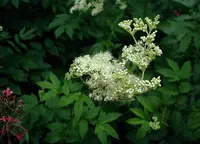
To recognize cuckoo flower, look for a leafless flowering stem rising above a low basal rosette. The basal leaves are pinnate, with a larger rounded end leaflet.

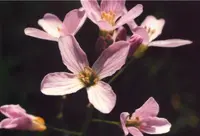
Flowers have four pale pink to lilac petals in a cross shape, carried in a loose cluster near the stem tip.

Cardamine pratensis Identification

Scan to Confirm cuckoo flower

Upload a clear photo to check your plant identification with Botan.

Clear images work best. Avoid photos taken too close or too far away

  • 1 free identification
  • No sign-up
  • 30,000+ plants in database

Use these quick checks for Cardamine pratensis.

  • Leafy stems are upright and slender, usually unbranched, rising about 12-24 inches (30-60 cm).
  • Basal leaves form a low rosette and are divided into several rounded leaflets; stem leaves are smaller and narrower.
  • Flowers sit in a loose cluster at the stem tip, each with 4 pale pink to lilac petals.
  • Long, narrow seed pods develop above the leaves and stand close to the stem.

Check the whole plant shape, since leaf pattern and flower cluster are most useful together.

Cardamine pratensis shows useful visual shifts from basal rosette to flowering and fruiting stems.

  • Young plant: Plants begin as a low basal rosette of rounded to kidney-shaped leaflets on long stalks, with no upright stem and a compact, ground-level outline.
  • Flowering stage: An upright, mostly unbranched stem rises to about 12-24 inches (30-60 cm), carrying narrower, more divided stem leaves and a loose cluster of pale lilac to white four-petaled flowers.
  • Fruiting stage: After flowering, the top cluster changes into many slender, upright seed pods, while petals drop away and the stem keeps its narrow, elongated silhouette.

In spring, cuckoo flower is easiest to recognize when a low rosette of divided basal leaves sends up slender stems topped with pale pink to lilac, four-petaled flowers. By late spring to early summer, narrow seed pods replace the flowers, creating a noticeably more wiry look before the aboveground growth fades back.

These plants can be mistaken for Cardamine pratensis in spring.

bittercress(Cardamine hirsuta)

Both have small four-petaled flowers and divided leaves. Cardamine hirsuta is much smaller, usually under 12 inches (30 cm), with tiny white flowers and a basal rosette; cuckoo flower is taller and has larger pale pink to lilac flowers on upright stems.

lady's smock(Cardamine × schulzii)

This hybrid can closely resemble the species in flower shape and leaflet pattern. It is usually more robust, and the flowers are often larger or more uneven in color; identification often depends on its intermediate look rather than one neat trait.

Cardamine pratensis is native across much of Europe and temperate Asia. In identification, that range matters most in meadows, damp pastures, stream edges, ditches, fens, and other moist grassland or wetland margins within those regions. Habitat is a useful clue because this species is typically found in consistently moist, often seasonally wet ground rather than dry lawns or shaded woodland interiors. Finding it in open or lightly shaded, damp grassland helps narrow an ID.

Does Your Plant Match?

Upload a photo in Botan to identify it or confirm your ID before you label, log, or compare it.

FAQ

The clearest clue is the loose cluster of four-petaled flowers in pale lilac, pink, or white above a basal rosette of rounded leaflets. This combination is central to identifying cuckoo flower in spring meadows.

More Plant Identification Guides

Find Out What Plant It Is

Identify a plant from a photo with Botan, then review plant details, care information, and common problems for that species.

Botan app identifying a plant from a photo
When to Harvest Carrots: Timing, Signs, and How to Pick Them

6 min read · 23 Oct 2026

When to Harvest Carrots: Timing, Signs, and How to Pick Them

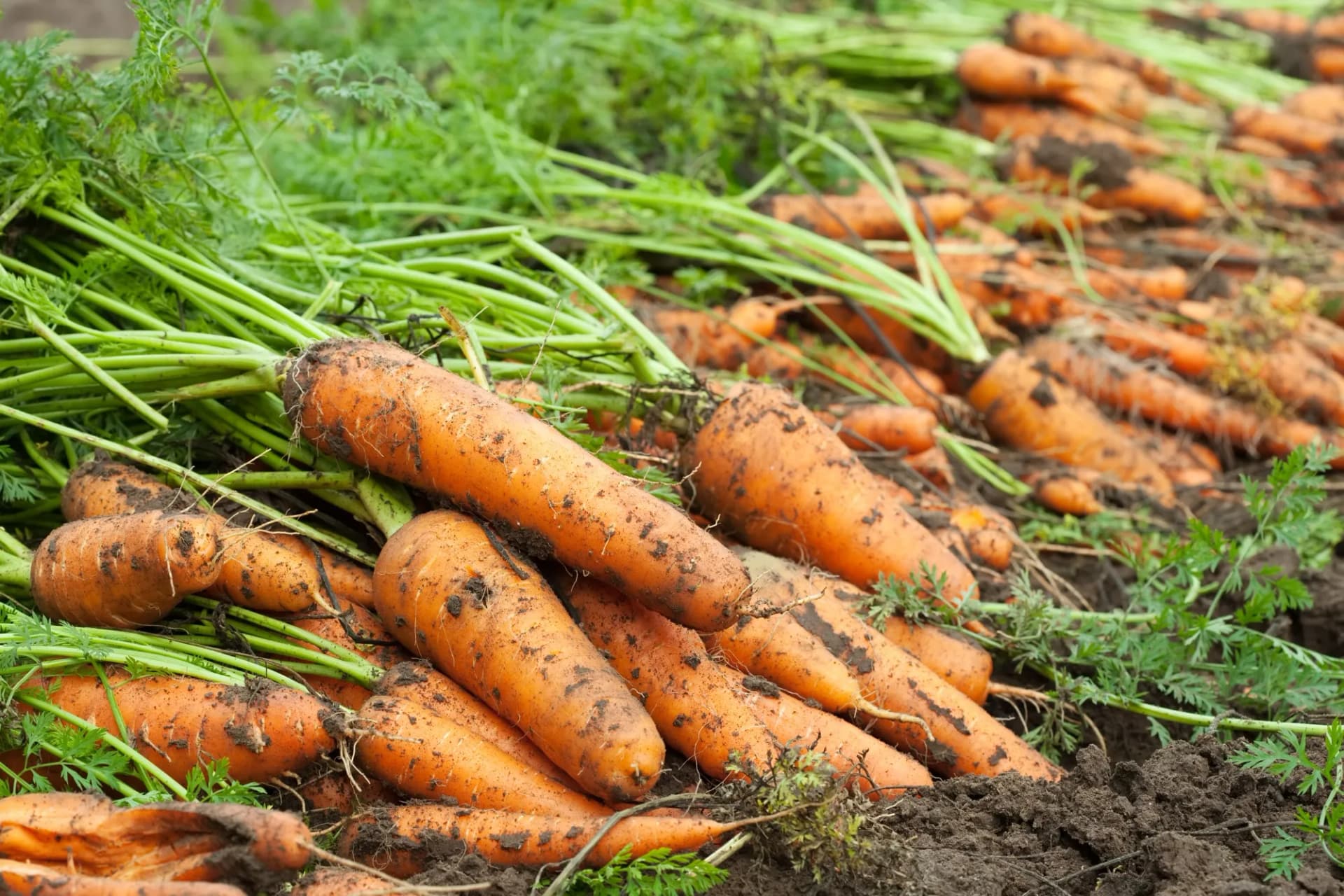
Carrots are usually ready 60-80 days after sowing them in the soil, depending on the variety. Learn how to recognize maturity signs, choose the right harvest season, pull carrots without damaging them, and store roots after picking.

Plant Care
When to Harvest Carrots: Timing, Signs, and How to Pick Them
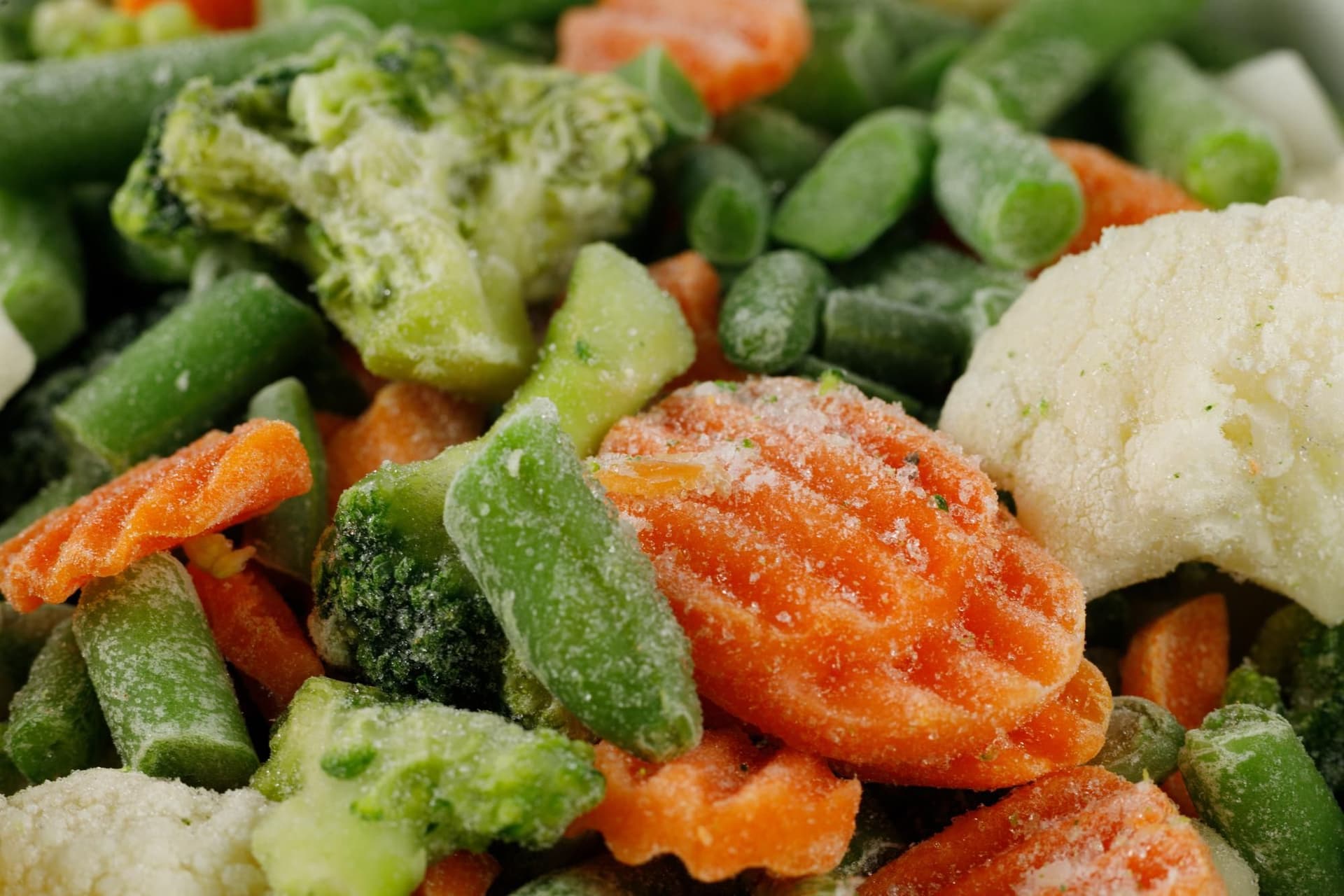
Frozen vs Fresh Vegetable Nutrients: Which Option Is Healthier?

6 min read · 8 Sept 2026

Frozen vs Fresh Vegetable Nutrients: Which Option Is Healthier?

Frozen and fresh vegetables are nutritionally comparable: frozen produce often retains vitamins just as well as fresh and may sometimes contain more. Here’s how blanching and storage affect nutrients—and when to choose each.

Plant Recommendations
Frozen vs Fresh Vegetable Nutrients: Which Option Is Healthier?
8 Glow-in-the-Dark Plants and Fungi That Really Exist

8 min read · 6 Nov 2026

8 Glow-in-the-Dark Plants and Fungi That Really Exist

Plants that glow in the dusk really exist. Some of them produce their own light, while others need UV exposure or special treatments. Explore eight fascinating examples, including glowing petunias, bioluminescent mushrooms, fluorescent flowers, and experimental succulents.

Plant Recommendations
8 Glow-in-the-Dark Plants and Fungi That Really Exist