Maintain Cool Roots
In warmer regions, apply a thin layer of light-colored mulch or fine gravel around the clump to keep the root zone cool and moist without burying the crown.

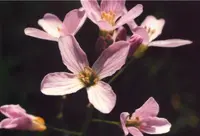
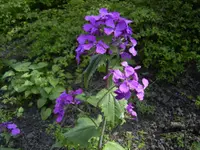
Cuckoo flower, Cardamine pratensis, is a moisture-loving perennial from the mustard family often found in damp meadows, stream edges, and marshy ground. It forms low clumps of foliage and sends up slender stems topped with soft lilac, pink, or white flowers in spring.
In the wild it is common across much of Europe and parts of North America as a naturalized species. The plant prefers cool conditions, consistently moist soil, and light shade to partial sun.
Its preference for steady moisture and cooler temperatures can make it less suited to hot, dry gardens, but it is straightforward where conditions match its needs. Understanding how to care for cuckoo flower starts with providing a reliably damp site and avoiding strong, drying sun.

Care Difficulty
Moderate Care

Light Preference
Partial Shade

Water Requirements
Keep Soil Moist

Temperature Preference
Cold Hardy

Hardiness Zone
4–8

Soil Texture
Loamy, Silty, Organic-rich

Soil pH
Acidic (5.5–6.5), Slightly acidic (6.5–7.0)

Soil Drainage
Moist but well-drained

Fertilization
Minimal (feed rarely)
Scan your plant to receive care tips personalized for your specific plant
Available on iOS and Android
Cardamine pratensis prefers cool, moist sites with soft, indirect light rather than intense sun.
Cardamine pratensis is adapted to consistently moist to wet soils and dislikes drying out.
This species thrives in cool, temperate conditions and tolerates moderate winter cold.
This species prefers consistently moist, cool air similar to damp meadows, so humidity does matter for cuckoo flower.
This plant favors moist, fertile, and slightly heavy soils that do not dry out quickly.
This species can be grown in containers if moisture is kept consistently high.
This wetland wildflower usually thrives in modest soils, so feeding is light and mainly supports plants in containers or very poor ground.
Cardamine pratensis needs only light pruning to keep plants tidy and encourage flowering.
This species is more often transplanted in garden beds or moist meadows than kept long term in containers.
Cardamine pratensis is commonly propagated by seed and by lifting and dividing clumps.
This cold-hardy perennial usually needs little specific winter care in typical temperate climates.

Plant Health Check
Not sure what's wrong with your plant? Check your plant's health inside the app.
Cardamine pratensis is a key larval food plant for several orange-tip butterfly species, whose caterpillars feed almost exclusively on its developing seed pods in spring in parts of Europe and the UK.
This species is strongly associated with damp pastures, stream edges, and floodplain meadows, where it benefits from periodic flooding and cool, moist soils that many other meadow plants cannot tolerate.
The normally pale lilac to white flowers can appear noticeably pinker in colder or brighter light conditions, a variation linked to changes in anthocyanin pigment levels in the petals.

In some European regions, Cardamine pratensis has been used as an indicator species for traditional, low-intensity hay meadow management, because it tends to decline or disappear when fields are heavily fertilized or intensively drained.
Poor or absent flowering usually comes from plants being too dry, too shaded, or cut back too hard. Ensure consistently moist soil, some direct spring light, and avoid heavy feeding, which encourages leaves over flowers when growing cuckoo flower.
Keep your plants happy and healthy with plant identification, disease detection, and easy care guidance.