perfoliate bellwort Care (Uvularia perfoliata)

Also known as: perfoliate-leaved bellwort
perfoliate bellwort

About perfoliate bellwort

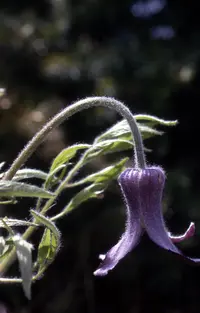
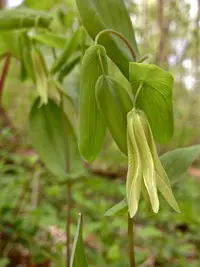
Perfoliate bellwort (Uvularia perfoliata) is a woodland perennial native to eastern North America, typically found in open forests and along shaded slopes. It forms loose clumps from rhizomes and sends up arching stems with leaves that appear pierced by the stem, a key identifying feature.

In spring, it produces small, pale yellow, bell-shaped flowers that dangle beneath the foliage and give the plant a delicate look. It prefers humus-rich, consistently moist, well-drained soil and light to medium shade.

Once established, it is relatively low-maintenance but resents disturbance and very dry sites, which can make it a bit tricky to move or divide. Understanding how to care for perfoliate bellwort mainly involves mimicking its cool, lightly shaded woodland habitat.

Main Plant Requirements

Care Difficulty

Moderate Care

Light Preference

Partial Shade

Water Requirements

Moderate Water

Temperature Preference

Cold Hardy

Hardiness Zone

5–9

Soil Texture

Loamy, Silty, Organic-rich

Soil pH

Acidic (5.5–6.5), Slightly acidic (6.5–7.0)

Soil Drainage

Moist but well-drained

Fertilization

Minimal (feed rarely)

Get Personalized Care Plan

Scan your plant to receive care tips personalized for your specific plant

Available on iOS and Android

How to Care for the perfoliate bellwort

This woodland perennial prefers soft, dappled light that mimics forest conditions.

  • Provide 3–5 hours of gentle morning sun with bright, filtered shade the rest of the day; avoid intense afternoon sun, especially in summer.
  • Plant perfoliate bellwort under open trees, on a north or east side of buildings, or in light understory beds to prevent leaf scorch.
  • In hotter regions, increase shade to mostly filtered light; in cooler climates, it tolerates more direct morning sun but still dislikes harsh midday exposure.

This species prefers consistently moist but not saturated soil throughout its growing season.

  • Water when the top 2–4 cm of soil feels barely moist rather than dry, especially during active spring growth.
  • Use humus-rich, well-drained soil so excess water moves away quickly, reducing risk of root rot and sour, anaerobic conditions.
  • In summer dry spells, deepen watering but allow the surface to dry slightly between soakings; wilting or crisp leaf tips indicate underwatering, while yellowing, limp foliage suggests overwatering.

This hardy woodland plant is adapted to cool to mild outdoor conditions with seasonal change.

  • Active growth is strongest at 55–75°F (13–24°C), typical of cool spring to early summer in temperate climates.
  • Mature clumps tolerate winter lows near 0°F (-18°C) when planted in the ground with mulch, dying back to the rhizomes and resprouting in spring.
  • During hot spells above 85°F (29°C), provide extra shade and soil moisture; prolonged heat and drought stress can stunt growth and reduce flowering the following season.

This woodland perennial prefers moderate, slightly moist air but usually adapts to typical home humidity.

  • Aim for 40–60% humidity, similar to a lightly humid room, to keep foliage from drying at the edges.
  • It tolerates drier air if soil moisture is consistent, but avoid hot drafts or heaters that cause rapid leaf wilting.
  • Crisp leaf tips or curling indicate humidity stress; group perfoliate bellwort with other plants or use a small pebble tray to raise humidity.

Uvularia perfoliata grows best in loose, moist, humus-rich soil similar to a woodland floor.

  • Use a loamy mix with high organic matter, such as garden loam blended with leaf mold or compost, for stable moisture and nutrients.
  • Ensure drainage by incorporating 20–30% coarse sand or fine bark, so excess water moves through and roots stay aerated.
  • Keep pH slightly acidic to neutral around 5.5–7.0, avoiding strongly alkaline substrates that limit nutrient uptake.
  • Avoid heavy, compacted clay or mixes dominated by peat alone; lighten dense soils with fine bark and coarse mineral grit to prevent waterlogging.

This species can grow in containers when given a cool, shaded, and consistently moist root zone.

  • Choose a deep, relatively narrow pot so the fleshy roots can run downward while the surface soil stays evenly cool.
  • Use a heavier material like clay or a wide-based pot to prevent tipping as arching stems and foliage lean outward.
  • Elevate the container slightly on feet or bricks so drainage holes never sit in collected water, protecting roots from rot.

This woodland perennial has modest nutrient needs, so light, infrequent feeding is usually sufficient for healthy growth.

  • Apply a thin layer of compost or leaf mold around perfoliate bellwort in early spring to mimic rich woodland soil.
  • Use a balanced, slow-release granular fertilizer (around 10-10-10) at half strength once in spring if growth appears weak.
  • Avoid summer overfeeding; excessive nitrogen can reduce flowering and cause soft, floppy growth.
  • Do not apply fertilizer in late fall or winter, when the plant is dormant and not actively using nutrients.

Pruning needs for Uvularia perfoliata are minimal and focus mainly on seasonal cleanup rather than shaping.

  • Cut back spent flowering stems and yellowed foliage in late fall or very early spring to keep the clump tidy.
  • Remove dead, damaged, or diseased shoots at the base using clean, sharp hand pruners to reduce disease spread.
  • Thin out only badly crowded stems to slightly improve air flow while maintaining the plant’s natural, arching habit.
  • Avoid heavy cutting during the growing season, as this offers little benefit and can reduce flowering display.

This species is more often grown in the ground than in containers, so care usually focuses on gentle transplanting of established clumps.

  • Plan transplanting for early spring or early fall, when temperatures are mild and soil moisture is steady.
  • Look for signs such as crowded clumps, diminished flowering, or slow vigor as indicators that division and relocation may help.
  • Lift the root mass carefully with a spade, keeping as much soil around the rhizomes as possible to limit shock.
  • Replant divisions at the same depth in humus-rich, well-drained soil, then water thoroughly and shade temporarily until re-established.

Propagation of Uvularia perfoliata is most reliable by division of established clumps, with seed used mainly by experienced growers.

  • Divide mature clumps in early spring just as shoots emerge, keeping several buds and healthy roots on each division.
  • Replant divisions immediately into moist, humus-rich soil, spacing them to allow for future clump expansion.
  • Sow fresh seed in autumn in pots or seed trays outdoors; natural winter chilling supports germination.
  • Maintain consistent moisture and light shade for both divisions and seedlings to reduce stress and encourage steady establishment.

This woodland perennial is cold hardy in much of the US and generally needs only basic winter care in garden settings.

  • Tolerates typical frosts in its hardiness range; foliage naturally dies back after fall.
  • Apply a 5–7 cm layer of leaf mulch or compost over the root zone to buffer freeze-thaw cycles.
  • Leave dormant crowns undisturbed; mark the area so emerging shoots are not damaged during late-winter cleanup.
  • For container-grown plants in colder zones, move pots into an unheated but sheltered spot to prevent root freezing.

Care Tips

Mulch Leaf Litter

Allow a thin layer of partially decomposed leaf litter or add shredded hardwood leaves around the clump to mimic its woodland floor habitat and keep roots cool while slowly improving soil structure.

Summer Dormancy Management

Mark the clump with a discreet stake or tag before foliage dies back in late summer so you avoid disturbing the crown when working in the bed or adding new plants later in the season.

Gentle Division Timing

Divide mature clumps only in very early spring as new shoots just emerge, using a sharp knife to separate small sections with several buds and replanting immediately at the same depth to minimize transplant shock.

Slug And Snail Barriers

In damp, shady beds, place rough copper tape or sharp mineral grit (such as crushed horticultural grit) in a narrow ring around the crown in early spring to reduce slug and snail damage to tender new shoots.

Companion Groundcover Choice

Plant low, shallow-rooted woodland companions like dwarf sedges or small native violets nearby, avoiding aggressive spreaders so neighboring plants provide light root competition and moisture retention without shading out or smothering the bellwort clump, which helps when caring for perfoliate bellwort over many seasons.

Common Pests and Diseases

Slugs and snails

This pest feeds on tender shoots and leaves, especially in moist, shaded woodland beds, leaving irregular holes and shredded edges. Symptoms include slime trails on soil or foliage and damaged young growth in spring.

Solution

Hand-pick slugs and snails in the evening, use iron phosphate bait around clumps, and place coarse barriers such as crushed eggshells or grit to reduce access. Keep mulch thin directly around stems and avoid overwatering the surrounding area to make conditions less favorable for them when caring for perfoliate bellwort.

Leaf spot

This disease causes small, water-soaked or brown lesions that can merge into larger blotches, often appearing after long periods of cool, wet weather. Symptoms include premature yellowing and drop of older leaves in dense plantings.

Solution

Remove and discard affected leaves and any heavily infected stems, and avoid overhead watering to keep foliage as dry as possible. Improve spacing and airflow, and apply a copper or chlorothalonil fungicide labeled for ornamental perennials if spots continue to spread year after year.

Botrytis blight

This disease develops in cool, damp, stagnant air and produces soft, brown patches on stems, buds, and flowers, often covered with gray, fuzzy mold. Symptoms include collapsed shoots and rotting flower parts close to the soil surface.

Solution

Cut off and destroy all affected tissues promptly and clean up spent flowers and leaf litter around the plant. Increase airflow by thinning surrounding vegetation, water at soil level in the morning, and in persistent cases use a labeled ornamental fungicide at the first sign of gray mold.

Aphids

These insects cluster on young stems and leaf undersides, sucking sap and causing curling or distortion of new foliage. This pest often leaves sticky honeydew that can attract sooty mold on leaves below.

Solution

Rinse colonies off with a firm stream of water, repeating every few days as needed, and prune heavily infested shoot tips. Introduce or conserve natural predators such as lady beetles and apply insecticidal soap or neem oil to leaf undersides, following label directions and avoiding applications during full sun or high heat.

Interesting Facts

Perfoliate leaf design

Its leaves are perfoliate, meaning the stem appears to pierce through the leaf blade, a structural trait that helps distinguish it from other bellwort species in the eastern US.

Spring forest specialist

This species emerges and flowers in early spring in deciduous woodlands, taking advantage of high light levels on the forest floor before the tree canopy fully leafs out.

Ant-assisted seed dispersal

Its seeds bear small, nutrient-rich appendages called elaiosomes that attract ants, which carry the seeds away and help disperse them in a process known as myrmecochory.

Botan icon

Did you know?

This species tends to occur on dry to mesic, often rocky or sandy slopes and ridges in the eastern United States, making it a characteristic wildflower of well-drained, nutrient-moderate upland forests rather than rich, moist bottomlands.

FAQs about perfoliate bellwort

This woodland perennial spreads slowly by short rhizomes, forming loose clumps rather than dense colonies. It is not considered aggressive. In suitable shade beds, it will gradually enlarge but usually coexists well with other native understory species.

Grow Healthy Plants with Botan Care

Keep your plants happy and healthy with plant identification, disease detection, and easy care guidance.

Botan plant care app — identify plants on mobile

Explore More Plants