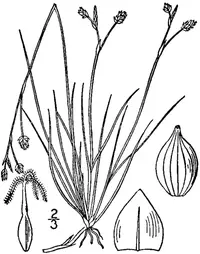
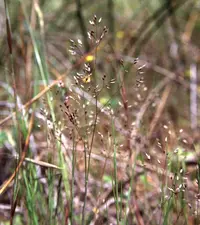
fringed sedge Care (Carex crinita)

Also known as: drooping sedge
fringed sedge

About fringed sedge

Fringed sedge, Carex crinita, is a clump-forming perennial sedge native to wet meadows, stream banks, and marsh edges in eastern North America. It is commonly used in naturalistic plantings and restoration projects.

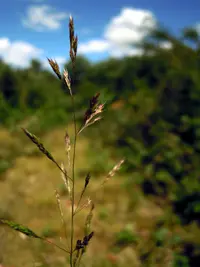
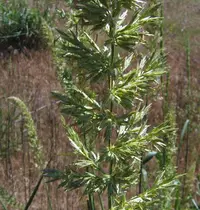
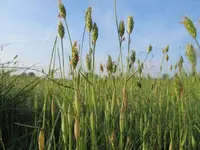
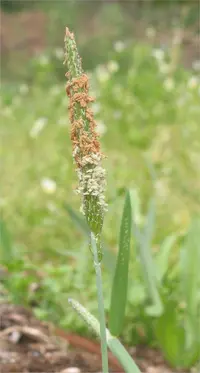
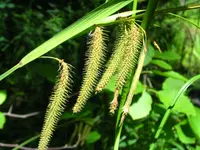
Plants form graceful, arching tufts of narrow leaves with showy, dangling flower spikes that give a fringed, textured look. The habit is upright but soft, creating a flowing effect in mass plantings.

Carex crinita thrives in consistently moist to wet soils and tolerates periodic flooding, so it suits rain gardens and pond margins. Understanding how to care for fringed sedge starts with providing steady moisture, organic-rich soil, and light from partial shade to full sun, depending on climate.

Main Plant Requirements

Care Difficulty

Moderate Care

Light Preference

Partial Shade

Water Requirements

Aquatic

Temperature Preference

Cold Hardy

Hardiness Zone

3–8

Soil Texture

Loamy, Silty, Organic-rich

Soil pH

Acidic (5.5–6.5), Slightly acidic (6.5–7.0)

Soil Drainage

Waterlogged tolerant

Fertilization

Minimal (feed rarely)

Get Personalized Care Plan

Scan your plant to receive care tips personalized for your specific plant

Available on iOS and Android

How to Care for the fringed sedge

Carex crinita needs consistently moist, bright conditions similar to open, wet meadows and stream edges.

  • Provide 4–6 hours of direct morning sun with light or dappled shade in the afternoon to prevent leaf scorch, especially in hotter regions.
  • Plant fringed sedge where it receives full sun to light shade; in hot summers, aim for 30–50% filtered shade during the strongest midday sun.
  • In cooler climates it tolerates more full sun, while in warm zones shifting exposure toward partial shade reduces stress and browning tips.

Carex crinita is a moisture-loving sedge that prefers soil that never fully dries out.

  • Keep soil consistently damp, aiming for conditions from evenly moist to shallowly flooded; the surface should feel wet or slightly spongy rather than dry or cracked.
  • Increase watering in hot, windy weather so the top 2–3 cm do not dry out; in cool or rainy periods, rely more on natural rainfall but prevent prolonged drying.
  • Watch for underwatering signs like folding or browning leaf tips and overwatering signs like foul odor or slimy, collapsing roots in poorly drained spots.

This sedge is cold-hardy and adapts well to outdoor temperature swings in temperate climates.

  • Best active growth occurs around 60–75°F (16–24°C), with strongest shoot and root development in cool to mild conditions.
  • It tolerates winter cold down to about -20°F (-29°C) when established, going dormant and resprouting in spring after the ground thaws.
  • During summer, it handles up to about 85–90°F (29–32°C) if soil stays saturated or consistently moist; heat with dry soil increases stress and tip burn risk.

This species prefers consistently moist air but adapts if soil moisture is kept high.

  • Target 50–80% humidity, matching its natural wetland habitats when possible.
  • In dry air, fringed sedge may show browning or crisping at leaf tips and edges, especially if soil dries.
  • Use consistently damp soil, nearby water features, or grouped plantings rather than misting to buffer low humidity.

This wetland sedge needs permanently moist, heavy, organic-rich soil rather than fast-draining mixes.

  • Use a loamy or clay-loam base amended with 30–50% compost or leaf mold to hold moisture and nutrients.
  • Allow only very slow drainage; soil should stay saturated or nearly saturated without prolonged standing water indoors.
  • Aim for slightly acidic to neutral pH, roughly 5.5–7.0, which supports nutrient availability for Carex crinita.
  • Avoid sandy, sharply drained, or peat-only mixes that dry quickly, and avoid compacted substrates lacking organic matter.

This species can grow in containers if the setup maintains high, stable moisture without waterlogging the crown.

  • Choose a deep, heavy container that resists tipping as foliage becomes tall and dense in windy spots.
  • Use a water-retentive mix over a solid saucer or cachepot so the lower substrate can stay consistently damp.
  • Position the pot where runoff from roofs or irrigation can regularly refill the saucer without flooding the crown.

This native sedge needs only light feeding, so caring for fringed sedge focuses more on moisture and soil than on fertilizer.

  • Use a balanced, slow-release fertilizer or a thin layer of compost in early spring as growth resumes.
  • Apply at low strength, about half the manufacturer’s recommended rate, to avoid lush, floppy foliage.
  • Feed once per year in the growing season; skip or greatly reduce any feeding in fall and winter.
  • In rich or naturally wet soils, rely mainly on organic matter and avoid additional synthetic fertilizer.

Pruning Carex crinita is simple and mainly helps keep the clump tidy and healthy.

  • Cut back dead or winter-burned foliage in late winter or very early spring before new shoots emerge.
  • Remove damaged or crowded stems at the base to maintain good air flow and a cleaner appearance.
  • Use clean hand pruners or shears, making smooth cuts close to the crown without injuring new growth.
  • If reseeding is not desired, trim spent flowering stems before seeds fully mature.

This sedge is most often grown in the ground, so care focuses on transplanting clumps rather than frequent repotting.

  • Transplant in early spring or early fall when temperatures are mild and soil is moist.
  • Move plants when growth slows, clumps become crowded, or roots circle inside a container edge.
  • Lift the root mass carefully, keep as much soil as possible around the roots, and replant at the same depth.
  • Water thoroughly after transplanting and keep the soil evenly moist for several weeks to limit root stress.

Carex crinita is commonly propagated by clump division or from seed, depending on the grower’s goal.

  • Divide mature clumps in early spring or early fall, keeping several healthy shoots and roots per division.
  • Replant divisions immediately into moist, organic soil and water well to settle air pockets.
  • For seed, sow fresh seed in trays or pots outdoors in fall to allow natural winter chilling for germination.
  • Keep seedling or division sites consistently moist and lightly shaded until plants are well established.

This cold-hardy sedge usually needs minimal winter care when planted in the ground within its native hardiness range.

  • In colder areas or exposed sites, apply a 5–8 cm mulch layer to insulate the root zone.
  • Leave most foliage standing over winter to shield crowns, cutting back in late winter if desired.
  • For container plants in freezing climates, move pots into a sheltered, unheated but frost-moderated location.

Care Tips

Edge Erosion Buffer

Use this sedge in a 30–60 cm wide band along pond or stream edges to stabilize soil and reduce erosion, spacing clumps 30–45 cm apart for a dense, functional root mat.

Moisture Zoning

Plant in subtle depressions or low swales in the landscape so runoff naturally collects around the roots, reducing the need for manual watering in wetland-style plantings.

Self-Sowing Management

If you want controlled colonies, leave only some seed heads on the strongest clumps for natural reseeding and cut back the rest before seed drop to prevent excessive spread.

Wildlife-Friendly Placement

Site clumps near the edges of naturalized areas or rain gardens to provide cover for amphibians and insects, while keeping at least a 60–90 cm buffer from frequently mown lawn to avoid damage.

Clump Rejuvenation

Every 3–5 years, lift and divide older, thinning clumps in early spring, replanting only the freshest outer sections to keep stands vigorous and simplify caring for fringed sedge in larger plantings.

Common Pests and Diseases

Rust fungus

This disease causes small orange, brown, or rust-colored pustules on leaves and stems, often appearing in damp, crowded stands along water edges.

Solution

Remove and destroy heavily infected foliage, avoid overhead irrigation in managed plantings, and thin or divide dense clumps to improve air movement; in nursery or high-value settings, apply a labeled rust fungicide preventively during long wet periods as part of broader Carex crinita care instructions.

Leaf spot

This disease produces tan to dark brown spots or blotches on leaves, sometimes with yellow halos, and is favored by warm, wet conditions.

Solution

Trim and dispose of affected leaves, reduce prolonged leaf wetness by watering at soil level, and increase spacing or mowing height in restoration or meadow plantings; where problems are severe, use a labeled ornamental grass fungicide rotation and remove nearby plant debris that can harbor spores.

Stem and crown blight

Symptoms include wilting, browning, and collapse of shoots from the base, often where dense tussocks stay saturated or buried in plant litter.

Solution

Cut out and discard blighted clumps, reduce organic buildup around the crown, and avoid prolonged flooding in managed sites; in nursery production, improve drainage in containers and disinfect tools to prevent spread of the causal fungi.

Sedge webworm

This pest is the larval stage of a small moth; these insects tie or web leaves together and feed inside, leaving chewed foliage and silken webbing on clumps.

Solution

Hand-crush or prune out webbed leaf bundles and destroy them, encourage predators by limiting broad-spectrum insecticides, and if damage becomes extensive in nursery beds, use a selective, labeled caterpillar control such as Bacillus thuringiensis (Bt) applied in the evening when larvae are actively feeding.

Aphids

This pest forms soft clusters on young stems and leaf bases, sucking plant sap and sometimes leaving sticky honeydew and sooty mold on nearby foliage.

Solution

Dislodge colonies with a strong stream of water, encourage natural enemies such as lady beetles, and in nursery blocks or heavy infestations use insecticidal soap or horticultural oil, ensuring thorough coverage of leaf bases and undersides while avoiding application during high heat or direct midday sun.

Interesting Facts

Streambank stabilizer

This species naturally grows along streams, swamps, and wet meadows in eastern North America, where its dense, fibrous root system helps stabilize soil and reduce erosion on saturated banks.

Distinctive drooping spikes

It is easily recognized by its long, arching flowering spikes that droop on slender stalks, giving the plant a shaggy or fringed look when the numerous spikelets mature.

Specialist wetland indicator

In many US wetland classification systems, this sedge is treated as an obligate wetland species, meaning it is found almost exclusively in wetland habitats and is used by botanists as a reliable indicator of hydric, or waterlogged, soils.

Botan icon

Did you know?

Carex crinita supports wetland food webs by providing both cover and seed resources for a range of wildlife, including amphibians that shelter at its base and birds that forage among its dense clumps along water edges.

FAQs about fringed sedge

This species forms loose clumps and spreads gradually by short rhizomes and self‑seeding. In garden settings it is usually manageable, but in consistently wet, rich soil it can naturalize, so allow space or thin out seedlings if needed.

Grow Healthy Plants with Botan Care

Keep your plants happy and healthy with plant identification, disease detection, and easy care guidance.

Botan plant care app — identify plants on mobile

Explore More Plants