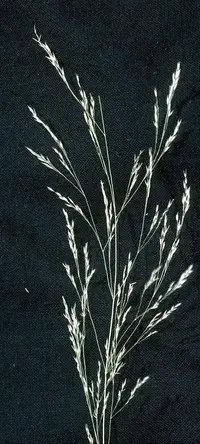
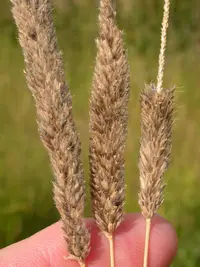
giant wildrye Care (Leymus condensatus)

giant wildrye

About giant wildrye

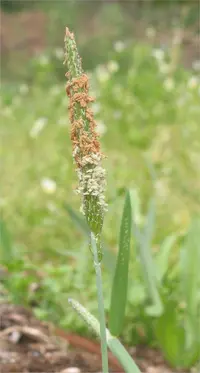
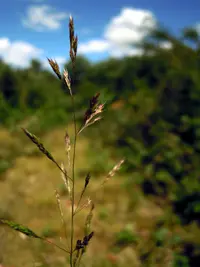
Giant wildrye, Leymus condensatus, is a perennial bunchgrass native to the western United States, especially California’s coastal and inland foothill regions. It forms tall, upright clumps with stiff, blue-green leaves and narrow flowering stalks that give strong vertical structure to landscapes.

This grass is often used for erosion control, habitat plantings, and low-maintenance naturalistic gardens. It establishes relatively easily in suitable conditions but can spread by rhizomes, so placement and spacing matter.

Understanding how to care for giant wildrye starts with its preferences: full sun, dry to moderately moist conditions, and well-drained, often sandy or rocky soils.

Main Plant Requirements

Care Difficulty

Easy Care

Light Preference

Full Sun

Water Requirements

Low Water

Temperature Preference

Cold Hardy

Hardiness Zone

6–10

Soil Texture

Sandy, Loamy, Clay

Soil pH

Slightly acidic (6.5–7.0), Slightly alkaline (7.0–7.5)

Soil Drainage

Well-drained

Fertilization

Minimal (feed rarely)

Get Personalized Care Plan

Scan your plant to receive care tips personalized for your specific plant

Available on iOS and Android

How to Care for the giant wildrye

This drought-tolerant bunchgrass performs best in open, bright sites with strong sun exposure.

  • Provide 6–8 hours of direct sun daily; full sun is ideal for sturdy growth and upright form in giant wildrye.
  • Allow light afternoon shade in very hot, inland areas to reduce leaf scorch and excessive drying, especially on young plants.
  • In winter, low light usually suffices, but plants shaded by buildings or trees may thin out and lean toward brighter openings over time.

This grass prefers dry to moderately moist conditions and dislikes standing water.

  • In established plantings, water deeply only when the top 5–8 cm of soil is completely dry, then soak the root zone and let it drain freely.
  • During the first growing season, increase frequency during hot, dry spells, watching for curling or grayish leaves as early drought stress signs.
  • Avoid overwatering Leymus condensatus; persistently soggy soil, yellowing foliage, or rotting crowns indicate poor drainage and excess moisture.

This warm-season bunchgrass handles a wide temperature range once established.

  • Active growth occurs roughly between 65–85°F (18–29°C), with best vigor in mild, dry summer climates.
  • Mature plants tolerate winter lows near 10–15°F (-12–-9°C) when soil drains well, though foliage may burn or die back in hard freezes.
  • Heat tolerance is good up to about 95°F (35°C) if soil is not waterlogged; in prolonged heat waves, deeper but infrequent watering supports root health.

This species is highly tolerant of dry air and usually does not need special humidity control.

Leymus condensatus thrives in lean, well-drained mineral soils rather than rich, moisture-retentive mixes.

  • Use a sandy or sandy-loam mix with at least 50–70% mineral material such as coarse sand or fine gravel.
  • Ensure very fast drainage; water should pass through the profile within seconds, not pool on the surface.
  • Aim for slightly acidic to slightly alkaline conditions, roughly pH 6.0–8.0, without heavy organic amendments.
  • Avoid compacted clay, peat-heavy potting mixes, or sites where water lingers after rain, which promote root decline.

This large, deep-rooted grass is only moderately suitable for container growing and is better in the ground long term.

  • Choose a wide, heavy container to counteract wind toppling from its tall, arching foliage and seed heads.
  • Use a tall pot to accommodate deep roots and keep at least 5–8 cm of space above the soil line for safe watering.
  • Select thick-walled clay or concrete containers outdoors to reduce overheating and rapid drying of the root zone in full sun.

This tough native grass needs minimal feeding, but light nutrition can support establishment and density when growing giant wildrye in poorer soils.

  • Use a balanced slow-release fertilizer (for example 10-10-10) or a thin layer of compost in early spring, after new growth starts.
  • Apply at a low rate, about half the label strength, to avoid forcing weak, floppy growth.
  • Feed only 1 time per growing season in average garden soil; skip feeding where soil is naturally fertile.
  • Do not fertilize in late fall or winter, as Leymus condensatus is dormant and excess nutrients may leach away.

Pruning Leymus condensatus is mainly done to refresh foliage and remove dead material rather than to control size.

  • Cut back the whole clump to 10–20 cm in late winter or very early spring before strong new growth emerges.
  • Remove dead, broken, or severely damaged stems at the base during the growing season using clean, sharp shears.
  • Thin out a few oldest, crowded stems from the center to keep the clump airy and reduce disease risk.
  • Avoid cutting into actively growing green shoots midseason, which can weaken the plant and spoil its natural form.

This large bunchgrass is usually grown in the ground, so transplanting matters more than repotting.

  • Transplant in fall or early spring when growth is slow and temperatures are mild, to reduce stress.
  • Move plants if growth declines, clumps outgrow their space, or roots circle and fill a container entirely.
  • Dig widely around the clump, keeping as much root mass and surrounding soil as possible intact.
  • Replant at the same depth, water thoroughly, then keep soil evenly moist but not waterlogged until new growth resumes.

Leymus condensatus is most often propagated by division, with seed used mainly for restoration or larger projects.

  • Divide established clumps in early spring or early fall, when temperatures are cool and soil is workable.
  • Lift the clump, then split it into several sections, each with healthy roots and multiple shoots.
  • Replant divisions promptly at the same depth, firm soil around roots, and water thoroughly to settle them.
  • For seed, sow in trays or prepared soil, keep evenly moist, and provide full sun for strong seedling development.

This grass is generally cold hardy in much of its range and usually needs minimal winter care in the landscape.

  • In colder areas, allow dry foliage to remain over winter, as it helps insulate the crown from freezing.
  • Apply a light mulch around, but not directly on top of, the crown in late fall in areas with severe frost.
  • For container plants in very cold climates, move pots to a sheltered, unheated area and water sparingly to keep roots from drying out completely.

Care Tips

Clump Size Management

Every 2–4 years, reduce oversized clumps by digging and removing outer sections in late winter, which keeps plants upright, rejuvenated, and less prone to lodging or die-out in the center.

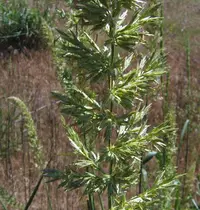
Wind and Snow Support

In exposed or snowy sites, install discreet stakes or a low wire loop around the clump before flowering stems fully elongate to prevent tall culms from flopping or breaking in storms.

Seed Head Handling

If self-seeding is a concern, shear or hand-cut seed heads just as they turn from green to tan, which stops unwanted spread while still allowing use of stems for dried arrangements.

Weed and Runner Control

Edge around the clump once or twice a year with a spade to cut encroaching rhizomes, and keep a 30–45 cm weed-free mulch ring so the grass does not compete with aggressive neighbors.

Firewise Maintenance

In fire-prone areas, remove dry leaves and dead stems at the end of winter and maintain clear space around the plant, since this reduces fuel load while still allowing the ornamental form when actively growing.

Common Pests and Diseases

Grass aphids

These insects feed on the sap of young shoots and flowering stems, causing distortion, yellowing, and sticky honeydew that can attract sooty mold. Infestations are usually most noticeable on the tender new growth of clumps in nutrient-rich or irrigated plantings.

Solution

Rinse colonies off with a strong stream of water, then encourage or introduce natural predators such as lady beetles and lacewings. If populations remain high, spot-treat dense clusters with insecticidal soap or a light horticultural oil, applied in the early morning and repeated as needed, while avoiding spray drift to nearby flowering plants visited by pollinators.

Grasshoppers

These insects chew long ragged sections from leaves and seed stalks, sometimes stripping foliage during hot, dry periods. Damage is usually seasonal and can be more intense along open, dry edges and wildland interfaces.

Solution

Hand-pick and remove individuals where practical, and reduce weedy vegetation nearby that shelters nymphs. In larger outbreaks, use floating row covers on new plantings and consider targeted baits placed away from desirable wildlife habitat, following local guidelines and label directions.

Armyworms

These caterpillars feed at night, chewing notches and irregular patches in leaves and sometimes skeletonizing blades in mass plantings. Symptoms include sudden thinning of foliage in localized patches while crowns remain alive.

Solution

Inspect plants at dusk or early morning and hand-remove caterpillars from affected clumps. For heavier infestations, apply a biological control such as Bacillus thuringiensis (Bt) to the foliage, focusing on young larvae and reapplying after rain or irrigation according to label directions.

Rust

This disease causes small orange to brown pustules on leaf surfaces, sometimes leading to yellowing and premature leaf death on stressed or overcrowded clumps. Symptoms include powdery spore masses that rub off on fingers or nearby surfaces.

Solution

Remove and discard heavily infected leaves and thin overly dense stands to improve air movement around the foliage. Avoid overhead watering, irrigate in the morning if needed, and in persistent cases use a labeled grass-safe fungicide as a spot treatment on new infections, not as routine prevention.

Leaf spot

Symptoms include small tan, brown, or purplish spots that merge into larger blotches, often starting on older or lower leaves during warm, humid periods or in frequently irrigated plantings. Severely affected blades may dry out and die back from the tips.

Solution

Cut and dispose of affected foliage to reduce the source of spores, and adjust irrigation to keep leaves as dry as possible, using drip or low-angle watering. Space clumps to allow airflow and, if leaf spot returns regularly, apply a targeted fungicide labeled for ornamental grasses at the first sign of new lesions.

Interesting Facts

Coastal dune stabilizer

This species naturally anchors sandy soils on Pacific coastal bluffs and dunes, where its deep, fibrous root system helps reduce erosion and trap wind‑blown sand.

Impressive culm height

Individual flowering stems of this grass often reach 1.5–2.5 m in height in ideal conditions, forming tall, upright clumps that stand above many associated coastal shrubs.

Fog and drought adapted

In its native California range, this grass is adapted to long summer drought combined with coastal fog, tolerating low rainfall while still using fog moisture and cool night temperatures to reduce water loss.

Botan icon

Did you know?

Indigenous peoples of western North America, including several California Native American groups, traditionally used the tough flowering stems of this grass for making arrow shafts, demonstrating its combination of straight growth and durable, flexible culms.

FAQs about giant wildrye

This species spreads by short rhizomes and self-seeding but is usually clump-forming rather than aggressively running. It can slowly expand over time, so allow space and remove unwanted seedlings if a tighter planting is preferred.

Grow Healthy Plants with Botan Care

Keep your plants happy and healthy with plant identification, disease detection, and easy care guidance.

Botan plant care app — identify plants on mobile

Explore More Plants