Tufted Sedge Care (Carex elata)

Tufted Sedge

About Tufted Sedge

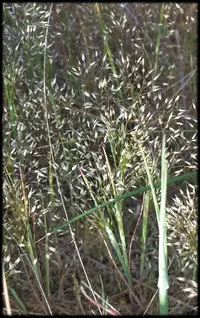
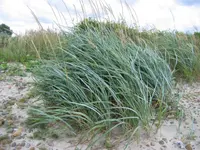
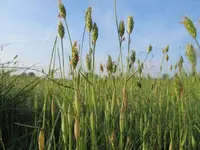
Tufted sedge, Carex elata, is a perennial grass-like sedge that forms dense, upright clumps. It keeps a defined, tidy shape that fits well into structured plantings.

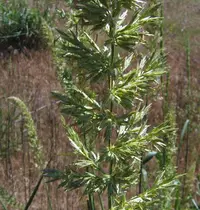
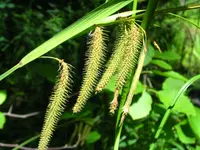
The foliage is narrow, arching, and typically bright to medium green, giving a soft but vertical texture near water features or in moist borders. In late spring, it produces slender flower spikes that are more subtle than ornamental grasses.

This species occurs naturally in wetlands, stream margins, and damp meadows across parts of Europe and western Asia. Its need for consistently moist soil is the main factor that affects how easy it is to grow.

Gardeners who learn how to care for Tufted Sedge often use it for reliable structure in rain gardens, pondsides, and other cool, moist sites.

Main Plant Requirements

Care Difficulty

Easy Care

Light Preference

Partial Sun

Water Requirements

Keep Soil Moist

Temperature Preference

Cold Hardy

Hardiness Zone

4–9

Soil Texture

Loamy, Silty, Organic-rich

Soil pH

Acidic (5.5–6.5), Slightly acidic (6.5–7.0)

Soil Drainage

Waterlogged tolerant

Fertilization

Minimal (feed rarely)

Get Personalized Care Plan

Scan your plant to receive care tips personalized for your specific plant

Available on iOS and Android

How to Care for the Tufted Sedge

This moisture-loving sedge prefers bright conditions with some shade protection, especially in warmer regions.

  • Provide 3–6 hours of sun daily, with morning sun and afternoon shade ideal to prevent leaf scorch, especially in hotter climates.
  • Plant Tufted Sedge where it receives partial shade or dappled light; full shade is tolerated but growth becomes looser and flowering is reduced.
  • In cooler coastal or northern areas it can handle more direct sun, but in summer monitor for bleaching or crisped tips and increase shade if needed.

This sedge is adapted to consistently moist to wet soils and dislikes drying out.

  • Aim for soil that stays evenly moist; in garden beds do not allow the top 2–3 cm to dry completely, especially during active growth.
  • In naturally damp sites or near ponds, Carex elata can tolerate standing water, but in average beds ensure slow, steady drainage to avoid stagnant, foul-smelling soil.
  • In summer drought, watch for folding or browning leaf tips as a sign to increase watering; yellowing, limp foliage and algae on soil suggest chronic overwatering.

This cool-season sedge is hardy and tolerates a wide range of outdoor temperatures.

  • Best growth occurs around 50–70°F (10–21°C), when new shoots and fresh foliage develop most actively in spring and early summer.
  • Mature clumps typically survive down to about -20°F (-29°C) with adequate soil moisture, though foliage may brown and die back in winter and regrow from the crown.
  • During hot spells above 85°F (29°C), growth slows; provide extra water and some afternoon shade to reduce heat stress and prevent leaf scorch.

This sedge prefers constantly moist air but adapts to typical outdoor humidity in mild climates.

  • Aim for 50–80% humidity, especially in warmer regions or balcony containers.
  • It tolerates short spells of drier air if soil stays consistently wet, but leaf tips may brown.
  • Humidity stress shows as crisp, yellow-brown edges; group containers or place near water features to raise local humidity.

Carex elata thrives in consistently wet, organic-rich soils that mimic boggy or pond-edge conditions.

  • Use a heavy loam rich in compost or leaf mold that retains water yet does not turn anaerobic for long periods.
  • A mix of 2 parts loam, 2 parts compost, and 1 part fine sand creates a stable, moisture-holding structure.
  • Keep pH mildly acidic to neutral (about 6.0–7.0) to support healthy nutrient uptake and foliage color.
  • Avoid dry, sandy soils and raised spots that drain quickly, since roots suffer if they ever dry out completely.

This species is suitable for large, heavy containers, especially around ponds or wet patios.

  • Select a deep, wide pot to allow its fibrous roots to spread and to support clumping growth without tipping.
  • Choose a sturdy, weighty material such as ceramic or concrete to stabilize the tall foliage in strong wind.
  • Use a water-retentive mix and stand the pot in a shallow tray of water so the base stays wet without flooding the crown.

Carex elata benefits from modest feeding but does not need heavy fertilization, especially in rich or wet soils.

  • Apply a balanced, slow-release fertilizer (for example 10-10-10) at half strength once in early spring.
  • In lean garden soils, top-dress with a thin layer of compost to support steady growth.
  • Avoid fertilizing during winter dormancy; stop feeding by late summer in cooler climates.
  • For container-grown Tufted Sedge, use a diluted liquid balanced feed every 4–6 weeks in the growing season.

Carex elata responds well to light, seasonal pruning that keeps clumps tidy and encourages fresh foliage.

  • Cut back old, winter-burned, or damaged leaves in late winter or very early spring before new growth starts.
  • Remove dead or overcrowded tufts at the clump edges to maintain an even, fountain-like form.
  • Use clean hand shears or sharp scissors to avoid tearing the narrow blades.
  • During the growing season, selectively trim brown tips or spent stems to keep the plant looking neat.

Carex elata is usually grown in the ground, where clumps only need dividing or moving every few years.

  • Transplant or divide in early spring or early fall when temperatures are mild and soil is moist.
  • Look for crowded clumps, reduced vigor, or roots circling in containers as signs it needs more space.
  • Lift the root mass carefully, split into smaller sections with a sharp knife, and replant at the same depth.
  • Water thoroughly after transplanting, then keep soil evenly moist for several weeks to limit root stress.

Carex elata is most commonly propagated by division, which keeps named forms true to type.

  • Divide mature clumps in early spring or early fall when the plant is not under heat stress.
  • Lift the plant, then use a sharp knife or spade to separate firm, rooted sections with several shoots each.
  • Replant divisions promptly into moist, well-drained soil, spacing to match expected mature width.
  • Seed propagation is possible but slower; provide cool, moist conditions and expect variable offspring.

Carex elata is generally cold hardy in temperate climates and needs minimal winter care in the ground.

  • In regions with severe freezes, add a 5–7 cm layer of mulch around the root zone after soil cools.
  • Container plants benefit from moving to a sheltered, frost-free or slightly protected spot.
  • Allow natural dieback; cut back old foliage in late winter rather than autumn so crowns have some insulation.

Care Tips

Prevent Root Heave

In cold regions, apply a 3–5 cm mulch layer of composted bark or leaf mold in late fall to prevent freeze–thaw cycles from pushing clumps out of the soil and exposing roots.


Divide Aging Clumps

Every 3–5 years in early spring, lift and divide congested clumps with a sharp spade, discarding dead centers and replanting only vigorous outer sections to maintain dense, upright growth.

Manage Self‑Seeding

If unwanted seedlings appear, cut back flower spikes just as they fade to reduce seed drop and keep planting schemes tidy, especially near ponds or naturalistic borders.

Edge To Contain Spread

Install a shallow root barrier or maintain a narrow spade-cut edge around beds every 1–2 years to stop rhizomes creeping into lawns or adjacent planting areas.

Use Moisture Gradients

When growing Tufted Sedge along water features, plant several clumps at slightly different soil depths so the most vigorous plants sit in the wettest zone while weaker or new divisions occupy the slightly drier margin for better establishment.

Common Pests and Diseases

Rust

This disease causes orange to brown powdery pustules on leaves, often leading to premature yellowing and thinning of clumps.

Solution

Remove and dispose of heavily spotted leaves, avoid overhead watering, and increase spacing or airflow around plants; in persistent cases, apply a labeled sulfur or myclobutanil fungicide early in the season according to Carex elata care instructions.

Leaf spot

This disease produces small water-soaked or brown lesions that can merge into larger dead patches, especially in warm, humid weather or crowded plantings.

Solution

Cut away and discard affected foliage, reduce leaf wetness by watering at the base in the morning, and improve air circulation; if spots continue to spread, use a copper-based or chlorothalonil fungicide labeled for ornamental sedges.

Aphids

These insects cluster on young shoots and leaf bases, sucking sap and causing distortion, sticky honeydew, and sometimes sooty mold on foliage.

Solution

Spray plants with a firm stream of water to dislodge colonies, encourage natural predators like lady beetles, and, if populations remain high, apply insecticidal soap or a light horticultural oil, coating leaf bases and undersides thoroughly.

Spider mites

This pest is more common in hot, dry conditions and causes fine stippling, dulling of leaves, and very fine webbing deep in the tufted foliage.

Solution

Increase humidity around plantings and hose clumps thoroughly, focusing on the inner leaves; for ongoing infestations, apply horticultural oil or insecticidal soap at 5–7 day intervals until new growth appears clean.

Slugs and snails

These pests chew irregular holes and notches along leaf edges, particularly in moist, shaded sites and dense plantings.

Solution

Hand-pick at night or early morning, reduce hiding places such as thick mulch and debris, use iron phosphate bait around clumps, and place simple traps like beer-filled shallow dishes near problem areas to reduce populations.

Interesting Facts

Tussock-forming growth

This species naturally forms dense, elevated tussocks in wet ground, which helps its roots stay aerated in waterlogged soils and creates small microhabitats for invertebrates and amphibians.

Preference for base-rich wetlands

Carex elata typically occurs in calcareous or base-rich fens, marshes, and wet meadows, making it an indicator of relatively nutrient-rich, alkaline wetland conditions in its native European range.

Submerged and emergent forms

In shallow water this sedge can grow with its crown above the waterline while many roots and lower stems remain submerged, allowing it to stabilize pond and stream margins and reduce shoreline erosion.

Botan icon

Did you know?

The well-known ornamental cultivar Carex elata 'Aurea' (often sold as Bowles' Golden sedge) is derived from this species and is valued in landscape design for its stable golden-yellow foliage, which provides long-lasting color contrast in wet or boggy planting schemes.

FAQs about Tufted Sedge

This species forms dense clumps and slowly enlarges over time, but it usually does not spread aggressively. In moist, rich soil it can self-seed or creep outward, yet remains manageable with occasional division and edging.

Grow Healthy Plants with Botan Care

Keep your plants happy and healthy with plant identification, disease detection, and easy care guidance.

Botan plant care app — identify plants on mobile

Explore More Plants