Early clump division
Divide crowded clumps every 3–4 years in early spring before strong shoot growth, lifting and splitting the root mass into several pieces to maintain vigor and prevent lodging from overly dense centers.


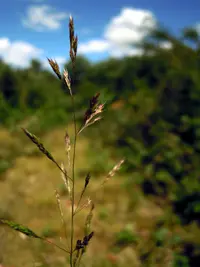
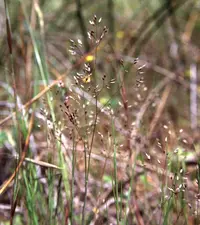
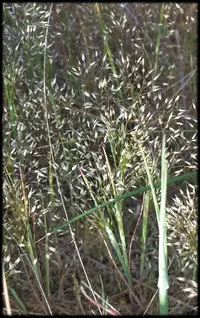
Cinnagrostis recta is a perennial ornamental grass known for its upright, clumping habit and airy flowering plumes. It forms narrow, vertical tufts that add fine texture to planting schemes. Native to higher elevation regions of South America, it is adapted to open, sunny habitats with relatively cool conditions. In gardens, it suits naturalistic plantings, meadow-style borders, and mixed perennial beds.
This species is generally considered low maintenance once established, provided it receives good light and well-drained soil. Its tolerance of wind, variable temperatures, and modest fertility makes it a practical choice for gardeners learning how to care for Cinnagrostis recta.

Care Difficulty
Easy Care

Light Preference
Full Sun

Water Requirements
Low Water

Temperature Preference
Cold Hardy

Hardiness Zone
4–8

Soil Texture
Sandy, Loamy, Rocky

Soil pH
Slightly acidic (6.5–7.0), Neutral (7.0)

Soil Drainage
Well-drained

Fertilization
Minimal (feed rarely)
Scan your plant to receive care tips personalized for your specific plant
Available on iOS and Android
This sun-loving ornamental grass thrives in open, bright positions with limited shade during the hottest hours.
This grass prefers consistently dry to moderately dry conditions once established, with good drainage at the root zone.
This hardy grass tolerates a wide temperature range and is suited to outdoor planting in many temperate climates.
This grass tolerates a wide humidity range, so indoor air moisture is rarely a concern.
Cinnagrostis recta prefers moderately fertile, free-draining mineral soils that do not stay wet.
This species can be grown in containers if the pot is set up to prevent waterlogging and root restriction.
This grass is adapted to lean soils and usually needs only light feeding in gardens.
Pruning Cinnagrostis recta focuses on removing old growth and keeping clumps tidy.
This species is usually grown in the ground, with transplanting only needed when clumps outgrow their space or decline.
Division is the most reliable method for multiplying Cinnagrostis recta in home gardens.
This grass is generally cold hardy in temperate climates and needs minimal winter intervention.

Plant Health Check
Not sure what's wrong with your plant? Check your plant's health inside the app.
This grass is native to high-elevation regions of central and southern Europe, especially the Alps and other montane systems, where it grows in dry, open grasslands and rocky slopes.
It forms a relatively deep, fibrous root system that allows it to survive on nutrient-poor, well-drained soils and to tolerate seasonal drought common in its natural habitats.
Flowering typically begins in late spring to early summer in its native range, making it one of the earlier tall bunchgrasses to set seed and provide structure in montane grassland communities.
This ornamental grass has a moderate growth rate. It typically forms a usable clump within 2–3 years. Consistent moisture during establishment, full sun, and reasonably fertile soil help it reach mature size at a steady pace.
Keep your plants happy and healthy with plant identification, disease detection, and easy care guidance.