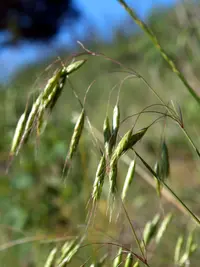
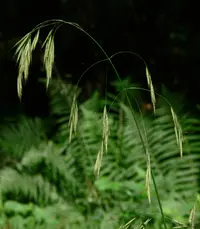
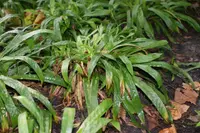
Early clump division
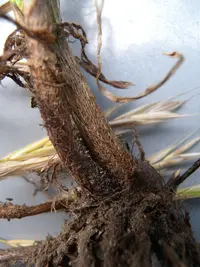
Divide mature clumps every 3–4 years in early spring before active growth, cutting the root mass into several firm sections and replanting immediately to maintain vigor and prevent center die-out.

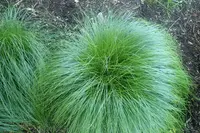
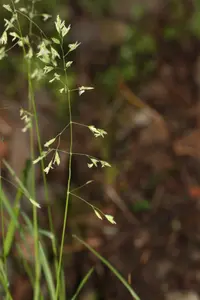
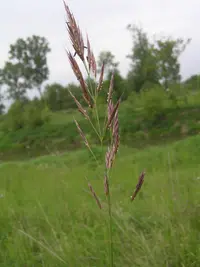
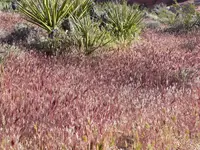
Rosy sedge, Carex rosea, is a small, fine-textured perennial sedge that forms neat clumps of narrow, arching leaves. It stays compact and low, giving a soft, grassy look.
This species is native to woodlands and open forests in eastern North America, where it often grows in dappled shade and moderately moist soils. Its star-shaped seed clusters are subtle but add interest at close range.
Rosy sedge is generally easy to grow because it tolerates a range of soils and light, from part shade to bright shade, if extremes are avoided. Gardeners who care for rosy sedge value it as a durable groundcover for naturalistic and low-input plantings.

Care Difficulty
Easy Care

Light Preference
Partial Shade

Water Requirements
Moderate Water

Temperature Preference
Cold Hardy

Hardiness Zone
3–8

Soil Texture
Loamy, Sandy, Organic-rich

Soil pH
Acidic (5.5–6.5), Slightly acidic (6.5–7.0)

Soil Drainage
Moist but well-drained

Fertilization
Minimal (feed rarely)
Scan your plant to receive care tips personalized for your specific plant
Available on iOS and Android
This woodland sedge prefers bright shade with brief gentle sun rather than exposed midday rays.
This sedge prefers consistently moist, not soggy, soil and responds best to cues from the soil surface.
This cool-climate sedge tolerates a wide temperature range but grows most strongly in moderate conditions.
Humidity is rarely limiting for Carex rosea, which tolerates a wide range of outdoor conditions.
Carex rosea prefers consistently moist, loose soil that does not stay waterlogged.
This species grows reliably in containers when moisture and root space are managed carefully.
Carex rosea needs only light feeding, especially in reasonably fertile garden soils.
Pruning Carex rosea is simple and mainly focuses on cleaning up old foliage.
This sedge is usually grown in the ground, so focus on transplanting clumps rather than frequent repotting.
Carex rosea is most commonly propagated by division, with seed used more for restoration or larger projects.
Rosy sedge is cold hardy in much of the US and usually needs minimal winter care in the ground.

Plant Health Check
Not sure what's wrong with your plant? Check your plant's health inside the app.
The tiny flowering spikes of this species have long, radiating bracts that give each cluster a star-like look, which is the origin of the common name rosy sedge despite the flowers not being truly pink or red.
Rosy sedge is naturally adapted to dappled light on deciduous forest floors in eastern North America, where it thrives among tree roots and leaf litter rather than in open, sunny wetlands like many other sedges.
Its fine, arching foliage and dense clumps provide cover and microhabitats for ground-dwelling insects and other small invertebrates in woodland ecosystems.

Rosy sedge is considered one of the more shade-tolerant native sedges in eastern North American woodlands, making it valuable in woodland restoration projects where few grass-like plants tolerate such low light conditions.
This species spreads slowly by short rhizomes and self-seeding. It usually forms small, tidy clumps rather than running. In average garden conditions, it is not considered aggressive and is easy to keep within bounds.
Keep your plants happy and healthy with plant identification, disease detection, and easy care guidance.