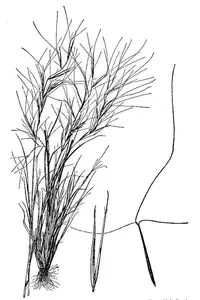
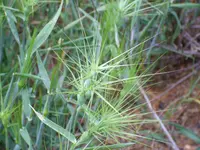
Awl-fruited sedge Care (Carex stipata)

Also known as: awlfruit sedge, Common fox sedge, Stalk-grain sedge, spongy sedge
Awl-fruited sedge

About Awl-fruited sedge

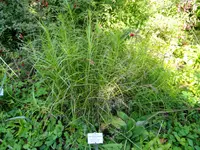
Awl-fruited sedge, Carex stipata, is a perennial grass-like plant commonly found in wetlands, ditches, and moist meadows. It forms dense clumps of narrow, upright leaves with distinctive bristly seed spikes.

This species is native to North America and often appears along streambanks and pond margins, where soils stay consistently damp. It is valued in restoration projects because it stabilizes soil and provides cover for wildlife.

Carex stipata is generally hardy and adaptable when given moisture-retentive soil and at least moderate light. Gardeners who learn how to care for Awl-fruited sedge usually find it reliable in rain gardens and naturalistic plantings.

Main Plant Requirements

Care Difficulty

Easy Care

Light Preference

Partial Sun

Water Requirements

Aquatic

Temperature Preference

Cold Hardy

Hardiness Zone

3–8

Soil Texture

Loamy, Silty, Organic-rich

Soil pH

Acidic (5.5–6.5), Slightly acidic (6.5–7.0)

Soil Drainage

Waterlogged tolerant

Fertilization

Minimal (feed rarely)

Get Personalized Care Plan

Scan your plant to receive care tips personalized for your specific plant

Available on iOS and Android

How to Care for the Awl-fruited sedge

Carex stipata grows best in bright, open sites with consistent light and moist soil.

  • Provide 4–6 hours of sun daily, ideally morning sun with light afternoon shade, to mimic natural streamside or meadow conditions for Awl-fruited sedge.
  • Plant in full sun to light partial shade; dense shade leads to weaker, floppy growth and thinner clumps over time.
  • In hot summers, protect from intense mid-afternoon sun to reduce leaf scorch and moisture stress, especially in drier or exposed locations.

This species naturally grows in wetlands, so it prefers consistently moist to wet soil.

  • Outdoors in the ground, aim for soil that stays damp at 5–10 cm depth; do not allow the root zone to dry out completely between rains or irrigations.
  • Increase watering during hot, windy periods if the top 2–3 cm of soil begins to lighten and crack, an indicator of early drought stress in Carex stipata.
  • Watch for yellowing, collapsing leaves and a sour smell as signs of waterlogged, stagnant soil and improve drainage or reduce standing water duration.

This cool-temperate sedge tolerates a wide range of outdoor temperatures when established.

  • Active growth is strongest around 60–75°F (16–24°C), especially in spring and early summer with adequate moisture.
  • Dormant crowns typically survive winter down to about -20°F (-29°C) under natural soil and mulch, though foliage will brown and die back.
  • Mature plants endure short hot spells up to 90–95°F (32–35°C) if soil remains wet; prolonged heat with dry soil causes leaf tip burn and thinning clumps.

This sedge prefers consistently moist conditions but tolerates a broad humidity range outdoors.

  • Aim for 40–70% air humidity, which is typical in most outdoor and wetland-edge sites.
  • Dry, hot winds can desiccate foliage; provide light wind protection or companion planting in exposed spots.
  • Humidity stress shows as browning leaf tips and edges; increase nearby surface water or plant closer to a pond or rain garden.

This species thrives in wet to consistently moist, organic-rich soil.

  • Use a fine-textured loam or silty soil with high organic matter, such as leaf mold or compost, to mimic wetland conditions.
  • Soil should stay saturated to very moist, with only slow drainage; avoid spots that dry out quickly or stay compacted but airless.
  • Aim for slightly acidic to neutral pH, roughly 5.5–7.0, which supports nutrient availability for Carex stipata.
  • To establish in drier garden beds, deepen the planting area and amend with compost and some fine sand to improve both water-holding and aeration.

This species can be grown in containers when moisture retention is carefully managed.

  • Choose a deep, heavy container that resists tipping and holds a substantial water reservoir for the fibrous root system.
  • Line the lower third with a dense, organic-rich mix that holds water, topped with a slightly more aerated layer to avoid surface souring.
  • Stand the pot in a shallow tray of water during the growing season to keep the root zone consistently moist without flooding the crown.

This native sedge generally needs minimal feeding, especially in fertile or wet soils where Awl-fruited sedge naturally occurs.

  • In lean or sandy soils, apply a light top-dressing of compost in early spring to support new growth.
  • Where faster cover is desired, use a balanced slow-release fertilizer (around 10-10-10) at half strength once in spring.
  • Avoid summer and fall fertilization to prevent weak growth before cold weather.
  • Do not fertilize during winter dormancy; excess nutrients can lead to rank, floppy foliage.

Pruning Carex stipata is mainly about seasonal cleanup rather than shaping.

  • Cut back old or winter-burned foliage in late winter or very early spring before new growth emerges.
  • Remove dead, damaged, or badly lodging clumps with clean hand pruners or shears to reduce disease harboring.
  • Thin out overly crowded clumps by removing a few outer sections, which improves air flow and keeps plants upright.
  • Optional mid-summer trimming of spent flower stalks can neaten appearance without harming growth.

This sedge is usually grown in the ground, so focus on dividing and transplanting mature clumps rather than frequent repotting.

  • Transplant or divide in early spring or early fall when temperatures are mild and soil is moist.
  • Look for tight, crowded clumps or slow, center-dying growth as a sign the plant needs lifting and division every 3–5 years.
  • Dig widely around the clump, lift gently, and split into sections with several shoots and roots each.
  • Replant divisions at the same depth, water thoroughly, and keep soil consistently moist for several weeks to limit root stress.

Carex stipata is commonly propagated by clump division or by seed in suitable wetland or moist garden conditions.

  • Divide established clumps in early spring or early fall, when weather is cool and soil moisture is high.
  • Use a sharp spade or knife to split the root mass into sections, each with multiple shoots and healthy roots.
  • Replant divisions immediately into moist soil, firm gently, and water well to encourage rapid re-establishment.
  • For seed, sow fresh seed on moist, fine-textured substrate outdoors; natural winter chilling improves germination.

This hardy sedge usually needs little special winter care in temperate climates.

  • Established plants tolerate freezing and snow once rooted in the ground.
  • Leave foliage standing through winter to protect crowns and provide habitat, then cut back in late winter.
  • In exposed or very cold zones, apply a thin mulch layer around the base to moderate soil temperature.

Care Tips

Edge Erosion Control

Plant in a staggered, zigzag pattern along streambanks or drainage swales to stabilize soil and slow surface runoff more effectively than a straight line planting.

Clump Renewal

Every 3–4 years, slice and remove the oldest, densest center of large clumps in early spring to reduce lodging and encourage fresh, upright growth from the outer ring.

Mulch Gap Strategy

Keep a 2–3 cm mulch-free ring around the base of each plant to reduce crown rot risk while still suppressing weeds and conserving soil moisture between plants.

Winter Debris Management

In late winter, rake out matted, dead foliage and fallen leaves from around the clumps so new shoots are not smothered and airflow at the crown improves.

Wildlife-Friendly Patches

When caring for Awl-fruited sedge in naturalized areas, leave a few dense, uncut clumps each year to provide cover for beneficial insects and small wildlife while managing the rest more tightly.

Common Pests and Diseases

Rust fungus

This disease causes small orange to brown pustules on leaves and stems, often on plants growing in dense, moist stands.

Solution

Remove and discard heavily infected foliage, avoid overhead irrigation, and thin or divide dense clumps to improve air movement; in persistent cases, use a labeled sulfur or chlorothalonil fungicide applied according to Awl-fruited sedge care instructions and local regulations.

Leaf spot

This disease produces tan to dark brown spots with possible yellow halos on leaves, which can coalesce and cause premature browning in humid sites.

Solution

Cut back and remove affected leaves, reduce leaf wetness by watering at soil level, and increase spacing between plants; if outbreaks are severe, apply a labeled broad-spectrum foliar fungicide and rotate products to reduce resistance risk.

Sedge billbug

This pest is a small weevil whose larvae tunnel inside stems and crowns, leading to wilted, yellowing, or dead patches in plant clumps.

Solution

Cut and dispose of damaged stems to remove larvae, keep thatch and plant debris low around the clump, and, if needed, apply a targeted systemic insecticide to the soil in late spring when adults are active, following turf and ornamental sedge label directions.

Aphids

These insects cluster on young leaves and stems, sucking sap and causing leaf curling, distortion, and sticky honeydew that may attract sooty mold.

Solution

Dislodge colonies with a firm stream of water, encourage natural predators such as lady beetles, and, if populations remain high, use insecticidal soap or a light horticultural oil, making sure to coat the undersides of leaves and repeat as needed.

Interesting Facts

Wetland specialist

This sedge is strongly associated with saturated soils and is often one of the dominant graminoids in marshes, wet meadows, and roadside ditches across much of North America, where it helps stabilize soft, eroding substrates.

Spiny seed clusters

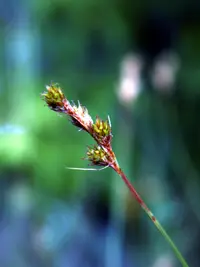
The plant forms distinctive ovoid seed heads with sharply pointed, awl-like beaks on the perigynia (the sac enclosing each seed), which give the species its common name, awl-fruited sedge, and make the inflorescences notably rough to the touch.

Wildlife value in wetlands

Its dense tussocks and stiff foliage provide cover and nesting structure for small wetland animals, while its seeds are eaten by various waterfowl and other wetland birds, making it an important part of freshwater marsh food webs.

Botan icon

Did you know?

Carex stipata is frequently used in ecological restoration and constructed wetland projects because it tolerates periodic flooding, improves soil structure, and contributes to nutrient retention in degraded riparian and stormwater systems.

FAQs about Awl-fruited sedge

This species spreads by short rhizomes and self-seeding, forming loose clumps to small colonies. It is not usually considered aggressively spreading in managed gardens, but in ideal wet habitats it can slowly naturalize over time.

Grow Healthy Plants with Botan Care

Keep your plants happy and healthy with plant identification, disease detection, and easy care guidance.

Botan plant care app — identify plants on mobile

Explore More Plants