Texas wintergrass Care (Nassella leucotricha)

Texas wintergrass

About Texas wintergrass

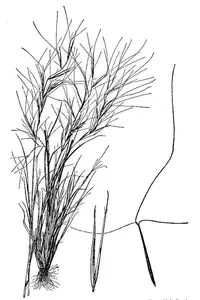
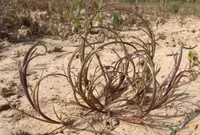
Texas wintergrass, Nassella leucotricha, is a cool-season perennial bunchgrass native to the southern Great Plains and northern Mexico. It often stays green through mild winters, which makes it valuable for year-round cover and grazing in many rangeland systems.

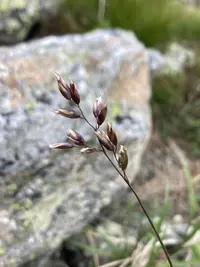
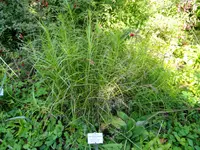
Plants form loose clumps with fine, narrow leaves and nodding seed heads that give a soft, flowing look in naturalistic plantings. It adapts to a range of soils but grows best in well-drained sites with full sun and moderate moisture.

The species is generally hardy and low-maintenance once established, but young stands can struggle with heavy competition from vigorous weeds. Understanding how to care for Texas wintergrass mainly involves managing light, soil drainage, and surrounding vegetation pressure.

Main Plant Requirements

Care Difficulty

Easy Care

Light Preference

Full Sun

Water Requirements

Low Water

Temperature Preference

Cold Hardy

Hardiness Zone

6–10

Soil Texture

Sandy, Loamy, Rocky

Soil pH

Slightly acidic (6.5–7.0), Slightly alkaline (7.0–7.5)

Soil Drainage

Well-drained

Fertilization

Minimal (feed rarely)

Get Personalized Care Plan

Scan your plant to receive care tips personalized for your specific plant

Available on iOS and Android

How to Care for the Texas wintergrass

This cool-season bunchgrass thrives in open sites with plenty of sun but tolerates some shade.

  • Provide 6–8 hours of direct sun daily for strongest growth; morning sun plus light afternoon shade works well in hot regions.
  • Texas wintergrass tolerates light or dappled shade, but dense shade leads to weaker plants, fewer seed heads, and more lodging (flopping).
  • In summer, excessive reflected heat and full afternoon sun can scorch foliage; in winter, avoid deep shade so crowns still receive low-angle sun.

This species prefers dry to moderately dry conditions and is sensitive to prolonged soil saturation.

  • Water only when the top 3–5 cm of soil feels dry; in naturalized plantings, rainfall often supplies enough moisture once plants are established.
  • Ensure fast-draining soil or a slope; standing water, a sour smell, or soft, yellowing bases of Nassella leucotricha clumps indicate overwatering and possible root rot.
  • Crisp, browning leaf tips and very light, curling blades usually signal drought; provide a deep soak, then allow soil to dry again, especially in late spring heat.

This cool-season grass prefers mild temperatures and shows most active growth in fall, winter, and early spring.

  • Optimal growth occurs around 50–70°F (10–21°C); plants stay green and productive in these cooler conditions when moisture is available.
  • Nassella leucotricha tolerates light to moderate freezes down to about 10–15°F (-12 to -9°C), with foliage burn possible but crowns often surviving even colder snaps.
  • Heat tolerance extends to about 90–95°F (32–35°C) if soil is not waterlogged; in hot summers, expect semi-dormancy and reduced growth, especially under drought.

This species is highly tolerant of dry air and usually does not need humidity adjustment.

Nassella leucotricha thrives in lean, well-aerated, fast-draining mineral soils.

  • Use sandy or gravelly loam with low to moderate organic matter to mimic its native prairie conditions.
  • Aim for slightly acidic to slightly alkaline pH, roughly 6.0–7.8, as the grass adapts well within this range.
  • Improve drainage and aeration by blending 30–50% coarse sand or fine gravel into existing soil.
  • Avoid dense, clay-heavy, or waterlogged sites where roots remain saturated after rainfall.

This bunchgrass can grow in containers if drainage and stability are carefully managed.

  • Choose a wide, low pot to support the clumping root system and reduce tipping from tall, wind-exposed foliage.
  • Use a gritty mix, such as 50% coarse sand or small gravel in potting soil, to keep roots dry between waterings.
  • Select a heavier container material like clay or concrete to stabilize mature, top-heavy plants in exposed outdoor locations.

Nassella leucotricha grows in lean soils and needs only modest feeding in cultivation.

  • Apply a light dressing of compost or well-rotted organic matter in early spring to support new growth.
  • Use a balanced, slow-release fertilizer (around 10-10-10) at half strength once at the start of the growing season.
  • Avoid summer overfeeding, which can cause weak, floppy foliage and reduce drought tolerance.
  • Do not fertilize during dormancy or winter, especially when caring for Texas wintergrass in low-input native plantings.

Nassella leucotricha benefits from light pruning to maintain a tidy clump and encourage fresh growth.

  • Cut back old, weathered foliage in late winter to early spring before vigorous new shoots emerge.
  • Remove dead, damaged, or matted leaves with clean hand pruners or sharp shears to reduce disease harboring sites.
  • Thin crowded tufts lightly to maintain good air circulation and a more upright, graceful form.
  • Avoid cutting into the crown too hard; leave short stubble so buds at the base can reshoot strongly.

Texas wintergrass is usually grown in-ground, with transplanting done sparingly to avoid root disturbance.

  • Transplant in late fall or early spring when temperatures are mild and soil moisture is steady.
  • Look for signs such as roots circling a container, soil drying very fast, or stunted growth before moving container-grown plants.
  • Lift with a wide root ball, disturb roots minimally, and replant at the same depth into well-drained, gritty soil.
  • Water in thoroughly, then keep soil lightly moist for 1–2 weeks to reduce transplant shock before returning to normal dryland care.

Nassella leucotricha is most commonly propagated by seed under suitable temperature and moisture conditions.

  • Collect seed heads when dry and tan, then store briefly in a cool, dry place before sowing.
  • Sow seeds in fall or very early spring on the soil surface or barely covered, as light helps germination.
  • Keep the seedbed evenly moist, not saturated, at cool to mild temperatures until seedlings establish.
  • Division of small clumps in early spring is possible but should be done carefully to limit root disturbance.

Nassella leucotricha is cold hardy in much of its range and usually needs minimal winter care outdoors.

  • Tolerates light to moderate frosts, with foliage browning but crowns typically surviving.
  • Apply a thin mulch layer around, not over, the crown in colder climates to buffer soil temperature swings.
  • For container plants in regions below about 10°F, move pots to a sheltered, unheated space to protect roots from deep freezing.

Care Tips

Mowing height management

Maintain a mowing height of 7–10 cm in mixed turf or pasture to let the plant flower and set seed while still preventing coarse, lodging clumps that shade out shorter species.

Targeted seed dispersal

After seed heads mature and dry, hand-strip or comb them off the plants and broadcast the seed into adjacent bare or thin patches to gradually thicken the stand without new planting.

Competing grass control

In late fall, lightly spot-weed or selectively thin out aggressive warm-season grasses around existing clumps so the cool-season foliage receives full light and space during its peak growth period.

Grazing and traffic timing

Limit heavy foot traffic and grazing pressure during late winter–early spring when stems elongate and flower, since repeated trampling at this stage reduces seed production and long-term stand vigor.

Patch-scale renovation

Every few years, lightly harrow, rake, or surface-scarify small, declining patches in late summer, then allow natural reseeding in fall to create fresh soil contact for seed and maintain density when growing Texas wintergrass.

Common Pests and Diseases

Grass aphids

These insects feed on leaf blades and young stems, causing yellowing, curling, and reduced vigor, especially in cool, lush growth periods.

Solution

Monitor plants in late winter and early spring; if colonies appear, use a strong water spray to dislodge them and encourage natural predators such as lady beetles. In heavier infestations, apply an insecticidal soap or a neem-based product directed at the aphids, avoiding application during hot, sunny periods to reduce leaf burn.

Grasshoppers

These insects chew leaf blades and seed heads, leaving ragged edges and thinning clumps during warm, dry periods.

Solution

Reduce tall weeds and nearby rank vegetation that shelter nymphs, and use floating row covers or temporary netting over small stands during peak feeding. In larger plantings, spot-treat outbreak areas with a labeled bait or biological control such as Nosema locustae according to local extension guidance for growing Texas wintergrass.

Armyworms

These caterpillars feed in groups, often at night, stripping foliage and leaving patches of stubble that appear suddenly damaged.

Solution

Inspect plants at dusk or early morning and hand-pick caterpillars where practical. For larger outbreaks, mow to reduce shelter, then apply a Bacillus thuringiensis (Bt) product or spinosad to actively feeding larvae, following label directions and avoiding drift to non-target plants.

Leaf spot

This disease causes small tan to brown lesions on leaves that can coalesce, giving the foliage a scorched or thinned appearance, especially under humid conditions or overhead irrigation.

Solution

Remove and discard heavily spotted foliage and old thatch to reduce fungal inoculum, and water at soil level rather than over the foliage. Improve spacing and airflow; in high-value or repeatedly affected stands, a grass-labeled fungicide can be used preventively during extended warm, humid periods.

Rust

This disease produces orange to brown powdery pustules on leaf surfaces, which can rub off on fingers and clothing and reduce plant vigor over time.

Solution

Avoid overhead irrigation and dense overcrowded growth, and remove severely affected leaves to reduce spore levels. Where rust recurs, rotate grazing or mowing to reduce stress and, if needed, apply a labeled systemic fungicide at the first signs of pustule formation, following local extension recommendations for forage grasses.

Interesting Facts

Cool-season native bunchgrass

Texas wintergrass is a perennial cool-season bunchgrass native to the southern Great Plains and parts of northern Mexico, staying green and actively growing through mild winters when many warm-season grasses are dormant.

Early-spring forage value

This species provides nutritious early-spring forage for cattle and wildlife before many other grasses have started active growth, which makes it ecologically and economically important in rangeland systems.

Sharp, twisting awns

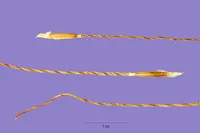
Its seeds carry long, twisting awns that respond to humidity changes and can work the seed into soil crevices, but these same awns may cause mechanical irritation if they lodge in the eyes, ears, or coats of grazing animals or pets.

Botan icon

Did you know?

Texas wintergrass often increases in overgrazed pastures because it tolerates heavy grazing better than many associated warm-season grasses, so its dominance can indicate chronic rangeland overuse rather than healthy native grassland condition.

FAQs about Texas wintergrass

This bunchgrass is a cool-season perennial. Individual clumps can persist for several years, going semi-dormant in summer heat and resuming active growth in cooler months if not severely overgrazed, scalped, or smothered by competing vegetation.

Grow Healthy Plants with Botan Care

Keep your plants happy and healthy with plant identification, disease detection, and easy care guidance.

Botan plant care app — identify plants on mobile

Explore More Plants