

Sweet Chestnut Identification (Castanea sativa)

Recognize Sweet Chestnut by its long, narrow leaves, usually 5 to 10 inches (13 to 25 cm) long, with strong parallel side veins and sharp, forward-pointing teeth.

It also shows alternate leaf placement on the twig and often develops a broad trunk with deeply fissured gray-brown bark as it matures.

Castanea sativa Identification

Is This Sweet Chestnut?

Use a clear photo to confirm what plant you have.

Clear images work best. Avoid photos taken too close or too far away

Castanea sativa is easiest to spot by its long toothed leaves and very spiny burrs.

  • Leaves are simple and alternate, narrow to lance-shaped, usually 5 to 10 inches (13 to 25 cm) long, with many straight side veins ending at each tooth.
  • Leaf edges are sharply serrated, and each tooth looks pointed rather than rounded.
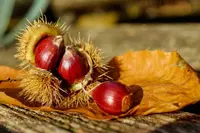
  • Fruits sit inside round green burrs densely covered with long, fine spines.
  • The tree is large and broad-crowned, often with a stout trunk and deeply ridged gray-brown bark.

Check both the leaf teeth and the spiny burrs for the quickest match.

Castanea sativa shows clear stage changes in leaves, branching, flowers, and fruiting structures.

  • Seedling: Seedlings carry a slender upright stem with alternate first leaves that are smaller, softer, and less strongly toothed than later foliage.
  • Young plant: Young plants form a narrow sapling with longer lance-shaped leaves, typically 4-8 inches (10-20 cm), and a more obvious central leader.
  • Flowering stage: Flowering branches show many pale, upright catkins, giving the crown a lightly tasselled look unlike the plain leafy appearance before flowering.
  • Fruiting stage: Fruiting stage is marked by round, very spiny husks hanging among leaves; these structures make the branch outline look heavier than in flowering.

In spring, Castanea sativa leafs out with long, strongly toothed leaves. By early summer, pale yellow catkins become obvious, giving the canopy a soft, tassel-like look. By fall, the tree is marked by spiny green husks that split to reveal glossy brown nuts. After leaf drop, the bare framework and deeply ridged bark are easier to see in winter.

Several trees can be mistaken for Sweet Chestnut at a glance.

American chestnut(Castanea dentata)

Similar for its long, toothed leaves and spiny burs. It usually has narrower leaves with fewer, more widely spaced teeth; its twigs are often slimmer.

Chinese chestnut(Castanea mollissima)

Also has chestnut-like leaves and burs. A quick check is the leaf underside, which is noticeably hairy or fuzzy, while Castanea sativa is much less hairy; leaves are often broader too.

horse chestnut(Aesculus hippocastanum)

Confused mainly by the name and shiny brown seeds. It differs immediately by palmately compound leaves with 5 to 7 leaflets, not single simple leaves, and by much less spiny husks.

Castanea sativa is native to southern Europe and parts of western Asia, especially around the Mediterranean and Black Sea regions. It is most often found in deciduous woodland and on well-wooded hillsides and mountain slopes. In Europe, a large sweet chestnut in semi-natural woodland strongly points to this species, especially outside areas where East Asian chestnuts are more commonly planted.

Castanea sativa has one practical handling risk: the burrs around the nuts are densely covered with sharp spines. Contact with the fruit husk can puncture or irritate skin in humans and pets. A separate identification risk exists because chestnuts are commonly handled as food.

  • Hazardous look-alike: Sweet chestnut can be confused with horse chestnut, Aesculus hippocastanum. Horse chestnut seeds are poisonous if ingested by humans and pets. A useful visible difference is the husk: Castanea sativa has many fine, needle-like spines, while horse chestnut has fewer, thicker blunt spines.

Check Your Plant ID

Use Botan to compare a photo and help identify or confirm the plant before you label it or make decisions.

FAQ

The clearest field mark is the long, lance-shaped leaf with many straight side veins ending at sharp teeth. In fruit, the very spiny burr enclosing 1 to 3 nuts is also distinctive for Sweet Chestnut identification.

More Plant Identification Guides

Identify Your Plant and Learn More

Use Botan to identify a plant from a photo, then get species-specific care information, plant details, and common problems.

Botan app identifying a plant from a photo
Is Sugar Water Good for Plants?

4 min read · 14 Sept 2026

Is Sugar Water Good for Plants?

Sugar water may sound like an easy boost, but most rooted plants do not need extra sucrose. This guide explains how green tissues produce carbohydrates, when a sweetened solution can be useful, and why too much can cause problems.

Plant Care
Is Sugar Water Good for Plants?
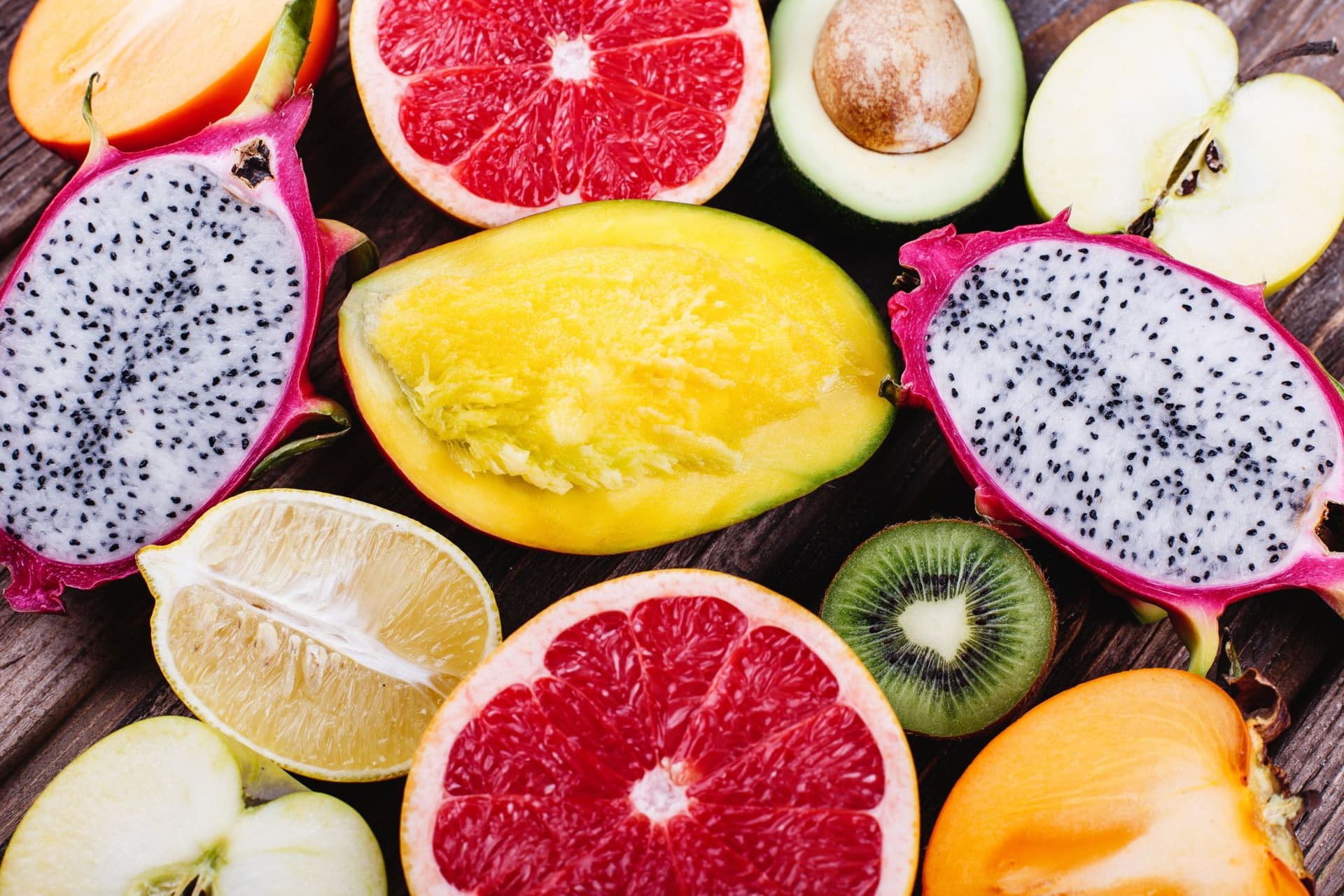
20 Most Popular Fruits Around the World

7 min read · 22 Jul 2026

20 Most Popular Fruits Around the World

Curious which fruits the world actually eats the most? Here's the top-20 by production volume, an overview of what people choose in each region, and a few figures that defy common assumptions.

Plant Recommendations
20 Most Popular Fruits Around the World
Can Plants Grow With Artificial Light?

6 min read · 15 Sept 2026

Can Plants Grow With Artificial Light?

Plants can grow under artificial light when the setup provides a suitable spectrum, enough intensity, and sufficient daily exposure. This guide explains how artificial lighting compares with sunlight, which options work indoors, and how to match a setup to houseplants.

Plant Care
Can Plants Grow With Artificial Light?