Slender Grape Care (Causonis clematidea)

Slender Grape

About Slender Grape

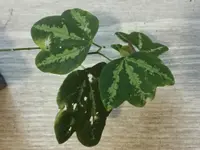
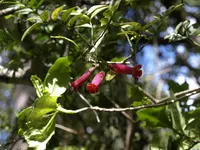
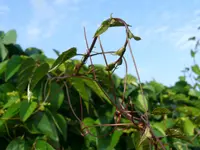
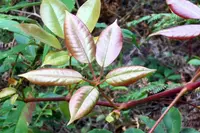
Slender grape, Causonis clematidea, is a fast-growing woody vine from eastern Australia, often found scrambling through forests, woodlands, and along stream margins. It climbs using tendrils and produces divided, often delicate-looking leaves with clusters of small flowers followed by berries.

In cultivation it is mainly valued as a quick cover for fences, arbours, or larger support plants. It prefers mild to warm conditions, consistent moisture, and well-drained soil, and it can become vigorous in suitable climates.

Gardeners who want to care for Slender Grape should note that its rapid growth and climbing habit may need regular training and pruning to keep it controlled and well supported.

Main Plant Requirements

Care Difficulty

Moderate Care

Light Preference

Partial Sun

Water Requirements

Moderate Water

Temperature Preference

Warm Climate

Hardiness Zone

9–11

Soil Texture

Sandy, Loamy, Organic-rich

Soil pH

Acidic (5.5–6.5), Slightly acidic (6.5–7.0)

Soil Drainage

Well-drained

Fertilization

Minimal (feed rarely)

Get Personalized Care Plan

Scan your plant to receive care tips personalized for your specific plant

Available on iOS and Android

How to Care for the Slender Grape

Causonis clematidea prefers bright conditions that mimic open woodland edges or light scrub habitats.

  • Provide 4–6 hours of morning sun with light afternoon shade; eastern or southeast aspects reduce scorch risk.
  • Plant can tolerate partial shade (2–4 hours direct sun) but dense shade leads to weak, stretched growth and fewer leaves on Slender Grape.
  • In hot summers, protect from harsh sun between 1–4 p.m.; watch for leaf curl, bronzing, or crisp edges as signs of excess light and heat.

This species prefers evenly moist, well-drained soil rather than constant dryness or saturation.

  • Water when the top 3–5 cm of soil feels dry, then soak the root zone thoroughly and allow excess water to drain away.
  • During active growth in spring and summer, expect more frequent watering; reduce frequency in cooler months as growth slows and evaporation drops.
  • Watch for yellowing, soft leaves and a sour soil smell as signs of overwatering; persistent wilting with dry, crumbly soil indicates underwatering in Causonis clematidea.

This vigorous climber favors mild to warm climates with only brief exposure to cold.

  • Aim for 65–85°F (18–29°C) for strongest growth, with good vigor during the warmer end of this range in late spring and summer.
  • Plant tolerates short dips to about 30–32°F (-1–0°C) but young shoots and tender tips can be damaged by even light frost.
  • In hot spells above 90°F (32°C), provide mulch and consistent soil moisture; combined extreme heat and dry soil can cause leaf scorch and stem dieback.

This species tolerates a wide humidity range but grows best with moderate moisture in the air.

  • Aim for 40–60% humidity, which suits typical home and patio conditions for Slender Grape.
  • It copes with brief dry air, but prolonged levels below 30% can cause leaf edges to brown and tips to crisp.
  • Raise humidity with grouped plants, a pebble tray under the pot, or regular light misting in very dry climates.

This vine prefers loose, well-aerated, moderately fertile soil that drains quickly but retains some moisture.

  • Use a mix of roughly 50% loam or all-purpose potting mix, 30% compost, and 20% coarse material such as perlite or fine bark for structure.
  • Ensure fast drainage so water does not pool; soil should feel moist after watering but not stay soggy for more than 1–2 hours.
  • Aim for slightly acidic to neutral pH, around 6.0–7.0, which supports nutrient availability for Causonis clematidea.
  • Avoid heavy clay, compacted ground, or mixes high in fine peat alone, which reduce aeration and increase root-rot risk.

This species is suitable for container growing when given enough root space and structural support.

  • Choose a deep, wide pot to accommodate vigorous roots and to anchor the climbing growth without tipping.
  • Use a heavier material such as ceramic or thick plastic outdoors to improve stability in wind as vines gain height.
  • Install a trellis or wires directly in the container at planting so stems can be tied and guided upward as they extend.

Causonis clematidea grows well in average soil but benefits from light feeding during active growth.

  • Apply a balanced liquid fertilizer (around 10-10-10) at 1/2 strength every 4–6 weeks in spring and summer.
  • Use either diluted balanced NPK or a thin top-dressing of compost, but not both at once.
  • Skip or greatly reduce feeding in fall and winter when growth slows.
  • Water lightly before and after feeding to limit root burn and nutrient shock.

Pruning Causonis clematidea helps control vigor and maintain a tidy, manageable vine.

  • Carry out main pruning in late winter or early spring before strong new growth starts.
  • Remove dead, damaged, or tangled stems first, then thin overcrowded shoots to improve light and airflow.
  • Shorten long runners to keep size in check and guide the plant along its support structure.
  • Use sharp, clean bypass pruners and make cuts just above a healthy bud or side shoot.

Slender Grape is usually grown in the ground, but container plants or young stock benefit from periodic transplanting.

  • Look for roots circling the pot base, reduced vigor, or fast-drying soil as signs a move is needed.
  • Transplant in early spring or early fall, when temperatures are mild and stress is lower.
  • Step up only 1–2 pot sizes, or replant at the same depth in open ground, using free-draining soil.
  • Water thoroughly after transplanting, shade from harsh sun for 3–5 days, and keep soil evenly moist while roots re-establish.

Causonis clematidea is commonly multiplied from stem cuttings and by layering.

  • Take semi-ripe stem cuttings in late spring or summer, 8–12 cm long with at least 2 nodes.
  • Remove lower leaves, dip the cut end in rooting hormone, and place in a moist, free-draining mix under bright, indirect light.
  • Maintain high humidity (a loose cover or misting) and stable warmth around 70–75°F for rooting.
  • For simple layering, pin a flexible stem to moist soil, cover the node, and sever once strong roots form.

This vine is moderately hardy in mild climates and usually needs only light winter care outdoors.

  • In regions with frost, apply a 5–8 cm mulch layer around the root zone after soil cools, keeping mulch off stems.
  • Allow top growth to die back naturally in colder areas; new shoots often emerge from the crown in spring.
  • For container plants in cold zones, move pots into a cool, frost-free garage or porch and reduce watering.

Care Tips

Early Vine Training

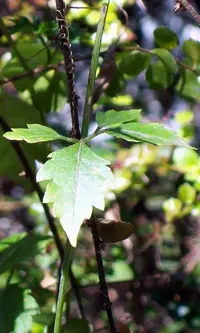
Install a sturdy trellis or wire system early and gently tie new stems horizontally with soft ties, which encourages dense side branching rather than a few long, bare shoots.

Strategic Hard Pruning

Every 1–2 years in late winter, cut back a portion of the oldest, woodiest stems to near the base to promote vigorous new growth and keep the vine from becoming tangled and unmanageable.

Root Zone Mulching

Maintain a 5–7 cm layer of bark or wood chip mulch over the root zone, keeping it a few cm away from the stems, to stabilize soil moisture and reduce heat stress in hot summers.

Growth Containment Edging

Install a shallow root barrier or deep edging along beds and fences where the plant is grown to limit unwanted spread and make long-term maintenance easier.

Targeted Pest Monitoring

Check the undersides of leaves and soft shoot tips every 1–2 weeks in warm weather and treat early signs of sap-sucking insects with a directed spray of insecticidal soap, which is often sufficient when caring for Slender Grape before an infestation builds.

Common Pests and Diseases

Grape leafhopper

This pest feeds on the undersides of leaves, causing pale speckling, a dry stippled look, and eventual leaf yellowing or drop in sunny, dry conditions.

Solution

Monitor the undersides of leaves regularly, hose foliage with a firm spray of water to dislodge nymphs, and encourage predators such as lady beetles by avoiding broad-spectrum insecticides; for heavier infestations, use horticultural oil or insecticidal soap, applied thoroughly to leaf undersides in the early morning or late afternoon.

Grape phylloxera

This pest forms galls on leaves and sometimes roots, leading to blistered, distorted foliage and gradual decline when populations become high.

Solution

Remove and destroy heavily galled leaves, maintain strong plant vigor with appropriate watering and mulching, and avoid taking cuttings from infested plants; in areas with persistent problems, consult local extension guidance before planting to choose resistant rootstocks or adjust site selection when growing Slender Grape outdoors.

Downy mildew

This disease causes yellow, irregular leaf spots that may turn brown and dry, often with a grayish to white downy growth on the leaf undersides during humid weather.

Solution

Improve airflow by thinning crowded stems, avoid overhead watering, remove and discard affected leaves, and apply a copper-based fungicide or other labeled grape downy mildew product preventively during extended periods of warm, humid weather if the plant has a history of infection.

Powdery mildew

This disease appears as white, powdery patches on leaves, young stems, and sometimes flower clusters, leading to distorted growth and reduced vigor in shaded or poorly ventilated sites.

Solution

Increase light and air circulation, prune out and discard infected shoots, avoid high-nitrogen fertilization that drives soft new growth, and use sulfur or potassium bicarbonate-based fungicides labeled for grapes at the first sign of infection, repeating as directed in dry but warm conditions.

Botrytis bunch rot

This disease develops on flowers and fruit clusters in humid or wet weather, causing brown, water-soaked tissue that becomes covered in gray mold and can spread to nearby foliage and stems.

Solution

Remove spent flower clusters and any rotting or moldy tissue promptly, keep the area around the plant clean of fallen debris, water at soil level rather than overhead, and in consistently humid climates consider preventive applications of a botrytis-targeted fungicide during flowering and early fruit set, following label directions carefully.

Interesting Facts

Australian rainforest climber

This species is native to eastern Australian rainforests and moist forests, where it scrambles over shrubs and trees using branched tendrils to reach better light higher in the canopy.

Switch from Cayratia

The plant was long treated in the genus Cayratia but molecular studies of grape relatives led taxonomists to move it into the genus Causonis to reflect its true evolutionary relationships within the grape family Vitaceae.

Small but showy umbels

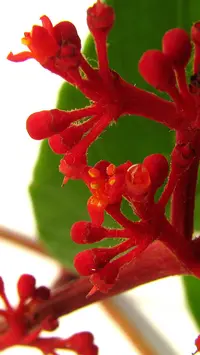
It produces clusters (umbels) of small greenish flowers that are modest individually but quite noticeable as a group and are visited by a range of generalist insects in its native range.

FAQs about Slender Grape

This species is a vigorous climbing vine that uses tendrils to attach to fences, trellises, and nearby plants. It can also scramble over the ground if no support is available, forming a loose, spreading mat.

Grow Healthy Plants with Botan Care

Keep your plants happy and healthy with plant identification, disease detection, and easy care guidance.

Botan plant care app — identify plants on mobile

Explore More Plants